The Economic Benefits of Investing in Portable Color Ultrasound Technology
In recent years,
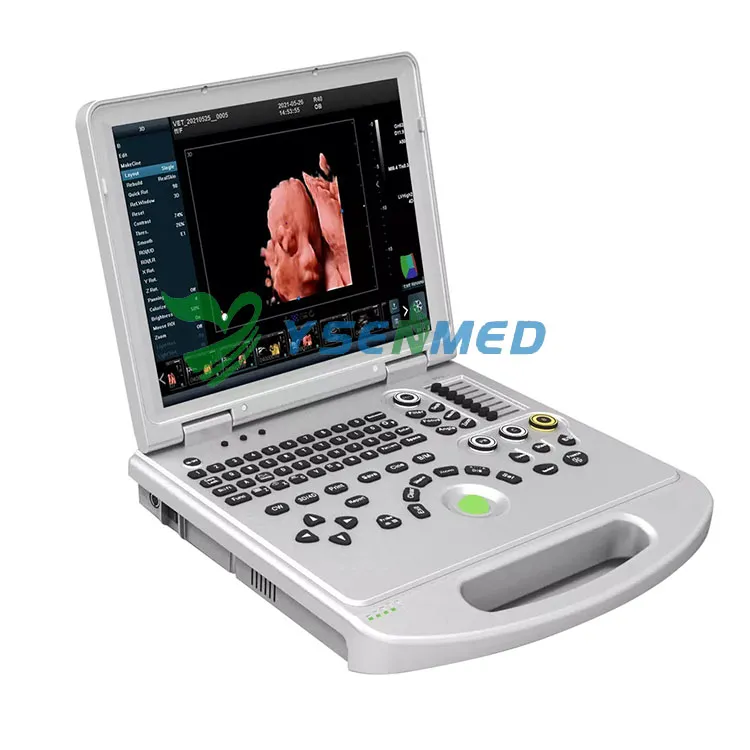
portable color ultrasound diagnostic instrument have revolutionized the healthcare landscape, providing significant economic benefits to medical facilities, practitioners, and patients alike. This article explores the various advantages of investing in portable color ultrasound technology, focusing on cost savings, improved patient outcomes, and enhanced operational efficiency.
Introduction to Portable Color Ultrasound Technology
Portable color ultrasound diagnostic instrument are compact, lightweight devices that allow healthcare professionals to perform ultrasound imaging at the point of care. Unlike traditional ultrasound machines, which are often bulky and stationary, portable devices offer flexibility and convenience, making them ideal for various settings, including hospitals, clinics, and even remote locations.
Key Features of Portable Color Ultrasound Instruments
Mobility: These devices can be easily transported, allowing for bedside examinations and remote diagnostics.
User-Friendly Interfaces: Most portable ultrasound machines come with intuitive touchscreens and simplified controls, making them accessible for a wide range of healthcare professionals.
Real-Time Imaging: Portable ultrasound technology provides real-time imaging capabilities, enabling immediate diagnosis and treatment decisions.
Cost-Effectiveness: Compared to traditional systems, portable ultrasound machines are generally more affordable, both in terms of initial investment and maintenance costs.
Economic Benefits of Portable Color Ultrasound Technology
1. Cost Savings
Investing in portable color ultrasound diagnostic instrument can lead to significant cost savings for healthcare facilities. Here’s how:
A. Reduced Equipment Costs
Portable ultrasound machines are typically less expensive than their stationary counterparts. The lower initial investment allows smaller clinics and practices to access advanced imaging technology without breaking the bank.
B. Decreased Operational Costs
Portable devices often have lower maintenance and operating costs. They consume less power, require fewer consumables, and are easier to service, leading to reduced operational expenses over time.
C. Streamlined Workflow
By enabling point-of-care imaging, portable ultrasound instruments can streamline workflows. Physicians can conduct examinations and make diagnoses on the spot, reducing the need for patient transfers and minimizing wait times.
2. Improved Patient Outcomes
Investing in portable color ultrasound technology can lead to enhanced patient outcomes, which, in turn, can have economic implications for healthcare providers.
A. Faster Diagnosis
With the ability to perform ultrasounds at the bedside or in remote locations, healthcare professionals can obtain immediate results. This rapid diagnosis can lead to quicker treatment decisions, improving patient outcomes and satisfaction.
B. Enhanced Access to Care
Portable ultrasound technology can be deployed in underserved areas, providing access to diagnostic imaging where traditional facilities may be lacking. This increased access can lead to earlier detection of medical conditions, ultimately reducing the cost of treatment.
C. Increased Patient Satisfaction
Patients appreciate the convenience of receiving diagnostic imaging at their location, whether it’s a hospital room or a community clinic. Higher patient satisfaction can translate into increased patient retention and referrals, positively impacting a facility's bottom line.
3. Enhanced Operational Efficiency
Portable color ultrasound diagnostic instrument contribute to greater operational efficiency within healthcare settings.
A. Versatility of Use
These devices can be utilized across various departments, including emergency medicine, obstetrics, cardiology, and more. Their versatility allows healthcare facilities to maximize the return on investment by using the same equipment for multiple applications.
B. Reduced Need for Specialized Staff
Portable ultrasound machines can often be operated by non-specialized staff after minimal training. This reduces labor costs and allows specialized personnel to focus on more complex tasks, improving overall productivity.
C. Improved Patient Flow
By facilitating immediate diagnostics, portable ultrasound technology helps improve patient flow within healthcare facilities. This efficiency can lead to increased patient throughput, allowing providers to serve more patients without compromising quality.
4. Financial Incentives and Reimbursement Opportunities
Investing in portable color ultrasound technology can open doors to various financial incentives and reimbursement opportunities.
A. Government Incentives
Many governments offer financial incentives for healthcare providers who adopt innovative technologies that improve patient care. These incentives can help offset the initial costs of purchasing portable ultrasound machines.
B. Insurance Reimbursement
Portable ultrasound procedures are often covered by insurance, providing an additional revenue stream for healthcare providers. By offering these services, facilities can enhance their financial viability while improving patient care.
C. Increased Revenue Potential
By incorporating portable ultrasound technology into their practice, healthcare providers can expand their service offerings, attracting more patients and increasing overall revenue.
5. Case Studies: Success Stories in Portable Ultrasound Implementation
A. Emergency Departments
Many emergency departments have successfully integrated portable color ultrasound technology into their practice. For instance, a study conducted in a large urban hospital found that the use of portable ultrasound reduced the time to diagnosis for patients with abdominal pain by 30%. This efficiency not only improved patient outcomes but also increased the department's capacity to handle more cases.
B. Rural Health Clinics
Rural health clinics have benefited immensely from portable ultrasound technology. By providing access to diagnostic imaging in underserved areas, these clinics have seen a significant increase in patient visits. A case study revealed that a rural clinic that adopted portable ultrasound technology experienced a 40% increase in patient retention due to improved access to care.
C. Obstetric Practices
In obstetric practices, portable ultrasound machines have become invaluable tools for monitoring fetal development. A practice that implemented portable ultrasound technology reported improved patient satisfaction and a 25% increase in prenatal visits, leading to better maternal and fetal health outcomes.
Challenges and Considerations
While the benefits of investing in portable color ultrasound diagnostic instrument are substantial, there are also challenges to consider:
1. Training and Implementation
Healthcare providers must invest time and resources in training staff to effectively use portable ultrasound technology. Ensuring that personnel are adequately trained is crucial for maximizing the benefits of the equipment.
2. Integration with Existing Systems
Integrating portable ultrasound machines with existing electronic health record (EHR) systems can pose challenges. Healthcare facilities must ensure that data from portable devices can be seamlessly incorporated into patient records for continuity of care.
3. Quality Assurance
Maintaining high-quality imaging standards is essential. Regular calibration and maintenance of portable ultrasound machines are necessary to ensure accurate diagnostics.
Conclusion
Investing in
portable color ultrasound diagnostic instrument presents numerous economic benefits for healthcare providers. From cost savings and improved patient outcomes to enhanced operational efficiency and increased revenue potential, the advantages are clear. As healthcare continues to evolve, the adoption of portable ultrasound technology will play a crucial role in delivering high-quality, accessible care.
By understanding and leveraging the economic benefits of portable color ultrasound technology, healthcare facilities can position themselves for success in an increasingly competitive landscape. The future of medical imaging is portable, and those who embrace this technology will be better equipped to meet the demands of patients and the healthcare industry as a whole.