The Role of the Mars 1717V Flat Panel Detector in Advancing Radiology
Radiology has been one of the most transformative fields in modern medicine, enabling physicians to visualize the human body's inner workings with remarkable precision. Among the innovations driving this evolution is the
Mars 1717V flat panel detector—a cutting-edge technology designed to improve the efficiency, accuracy, and versatility of diagnostic imaging.
In this comprehensive article, we will delve into the role of the Mars 1717V in advancing radiology, exploring its features, benefits, and applications in various medical disciplines. We will also discuss the broader impact of flat panel detectors on healthcare, highlighting why the Mars 1717V stands out as a pivotal tool in modern imaging solutions.
Understanding Flat Panel Detectors
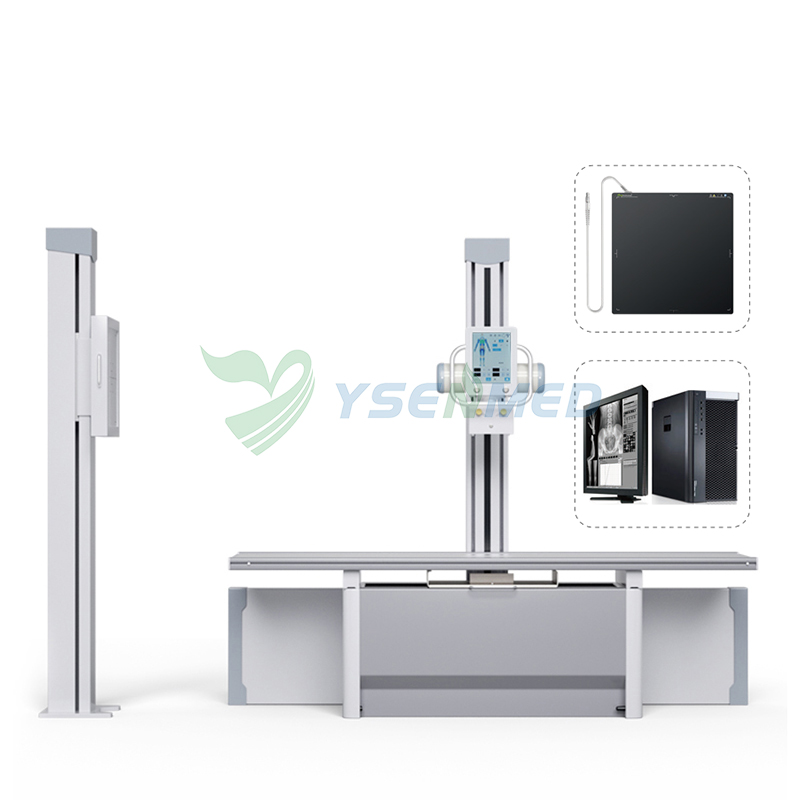
Flat panel detectors (FPDs) are advanced imaging devices used in digital radiography to capture X-rays and convert them into digital images. Unlike traditional film-based radiography, FPDs streamline the imaging process, offering real-time image acquisition, enhanced image quality, and reduced radiation exposure.
The Mars 1717V is a prime example of an FPD that combines state-of-the-art technology with practical usability, making it an essential component in various radiological applications.
Key Features of the Mars 1717V Flat Panel Detector
The Mars 1717V is renowned for its innovative design and technological sophistication. Below are some of its standout features:
1. High Resolution and Image Quality
The Mars 1717V boasts exceptional image resolution, allowing for the precise visualization of anatomical structures. Its advanced image processing algorithms enhance contrast and detail, making it easier for radiologists to identify abnormalities and diagnose conditions accurately.
2. Large Imaging Area
With a 17x17-inch imaging area, the Mars 1717V can capture large anatomical regions in a single exposure. This is particularly beneficial for applications like chest X-rays, orthopedic imaging, and full-body scans, where comprehensive imaging is essential.
3. Wireless Functionality
The Mars 1717V offers wireless connectivity, eliminating the need for cumbersome cables and improving mobility. This feature is especially valuable in emergency rooms, operating theaters, and mobile diagnostic units where flexibility and ease of use are critical.
4. Lightweight and Portable Design
Despite its advanced capabilities, the Mars 1717V is designed to be lightweight and portable. Its ergonomic design ensures that it can be easily handled by radiographers, reducing fatigue and streamlining workflows.
5. Low Radiation Dose
Patient safety is a top priority in radiology, and the Mars 1717V delivers on this front with its low-dose imaging capabilities. It utilizes advanced sensors and processing technology to minimize radiation exposure without compromising image quality.
6. Durable Construction
The Mars 1717V is built to withstand the rigors of daily clinical use. Its robust design and high-quality materials ensure long-term reliability, making it a cost-effective investment for healthcare facilities.
Applications of the Mars 1717V in Radiology
The versatility of the Mars 1717V flat panel detector makes it suitable for a wide range of diagnostic imaging applications, including:
1. Chest Radiography
Chest X-rays are among the most common diagnostic imaging procedures, used to assess lung conditions, heart size, and other thoracic abnormalities. The large imaging area and high resolution of the Mars 1717V ensure that chest radiographs are clear and detailed, aiding in the diagnosis of pneumonia, lung cancer, and other pulmonary conditions.
2. Orthopedic Imaging
Orthopedic radiology requires precise visualization of bones, joints, and surrounding tissues. The Mars 1717V excels in capturing detailed images of fractures, dislocations, and degenerative conditions like arthritis, helping orthopedic surgeons plan effective treatments.
3. Trauma and Emergency Care
In emergency settings, rapid and accurate imaging is crucial for diagnosing injuries and initiating treatment. The portability and wireless capabilities of the Mars 1717V make it an ideal choice for trauma care, enabling radiologists to quickly obtain high-quality images even in challenging environments.
4. Surgical Imaging
During surgical procedures, real-time imaging is often required to guide interventions. The Mars 1717V integrates seamlessly with fluoroscopy systems, providing surgeons with clear and immediate visuals to ensure precision and safety.
5. Mobile and Field Radiology
For healthcare providers operating in remote or underserved areas, mobile diagnostic units equipped with the Mars 1717V offer a reliable solution for delivering high-quality imaging services. Its lightweight design and wireless functionality make it a practical choice for field applications.
Benefits of Using the Mars 1717V Flat Panel Detector
The Mars 1717V offers numerous advantages that enhance both patient care and clinical efficiency:
1. Enhanced Diagnostic Accuracy
High-resolution imaging and advanced processing capabilities enable radiologists to detect subtle abnormalities that might be missed with lower-quality systems. This ensures more accurate diagnoses and better patient outcomes.
2. Faster Workflow
The wireless functionality and instant image acquisition of the Mars 1717V streamline radiology workflows, reducing wait times for patients and increasing the throughput of diagnostic procedures.
3. Improved Patient Experience
By minimizing radiation exposure and reducing the need for retakes, the Mars 1717V enhances patient safety and comfort. Its lightweight design also makes positioning easier, particularly for patients with limited mobility.
4. Cost-Effectiveness
The durability and reliability of the Mars 1717V translate into lower maintenance costs and a longer lifespan. Additionally, its compatibility with existing imaging systems reduces the need for costly upgrades.
5. Versatility Across Specialties
From general radiography to specialized applications like fluoroscopy and orthopedic imaging, the Mars 1717V adapts to a variety of clinical needs, making it a versatile tool for healthcare providers.
The Broader Impact of Flat Panel Detectors in Radiology
Flat panel detectors like the Mars 1717V have revolutionized radiology by replacing traditional film and computed radiography systems with faster, more efficient digital solutions. Key advancements include:
Real-Time Imaging: Instant image acquisition allows for faster decision-making, particularly in emergency and surgical settings.
Digital Integration: FPDs integrate seamlessly with electronic health record (EHR) systems, enabling better data management and collaboration among healthcare teams.
Lower Environmental Impact: By eliminating the need for chemical film processing, FPDs reduce waste and environmental impact.
Accessibility: Portable FPDs make advanced imaging technology available in remote and underserved areas, improving access to quality healthcare.
Choosing the Right Flat Panel Detector
When selecting a flat panel detector, healthcare providers should consider factors such as:
Image Quality: High resolution and advanced processing capabilities are essential for accurate diagnostics.
Portability: Lightweight and wireless designs are ideal for mobile and versatile applications.
Durability: Robust construction ensures long-term reliability and cost-effectiveness.
Compatibility: Ensure the detector integrates smoothly with existing imaging systems and software.
Radiation Safety: Low-dose imaging capabilities are crucial for protecting patients and staff.
The Mars 1717V excels in all these areas, making it a standout choice for healthcare facilities seeking to enhance their radiology services.
Conclusion
The Mars 1717V flat panel detector represents a significant leap forward in radiology technology, offering unparalleled image quality, portability, and efficiency. Its advanced features and versatile applications make it an invaluable tool for healthcare providers aiming to deliver accurate, timely, and patient-centered care.
As the demand for high-quality diagnostic imaging continues to grow, investing in innovative solutions like the
Mars 1717V ensures that healthcare facilities remain at the forefront of medical advancements, ultimately improving patient outcomes and advancing the field of radiology.