I. Introduction
Diagnostic imaging is a critical component of modern healthcare, enabling clinicians to visualize and diagnose a wide range of medical conditions. Traditional fixed
X-ray machines have been the mainstay of diagnostic imaging for decades. However, they have several limitations that can impede patient care and outcomes, including limited accessibility, long wait times, and time-consuming transportation of patients.
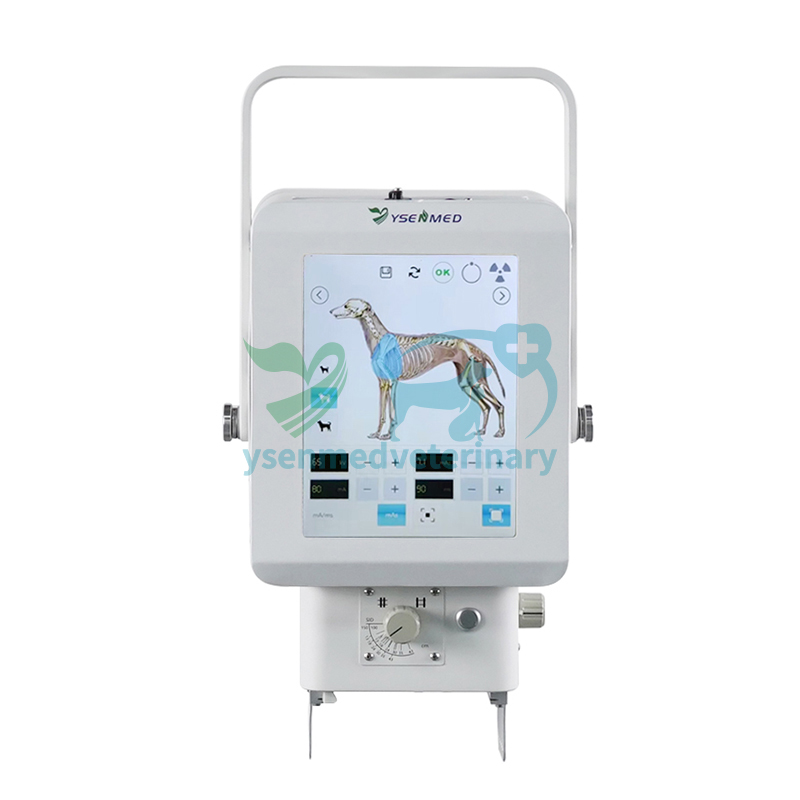
Mobile portable digital X-ray machines offer a solution to these challenges. These devices are designed for portability and flexibility, enabling imaging to be performed in various healthcare settings, including emergency rooms, nursing homes, and home health care. In this article, we will explore the cost-effectiveness of mobile portable digital X-ray machines, including their advantages, technology, applications, considerations for implementation, and future trends.
II. Advantages of Mobile Portable Digital X-ray Machines
Mobile portable digital X-ray machines offer several advantages over traditional fixed machines. One of the most significant benefits is their portability and flexibility. These devices are designed to be lightweight and compact, making them easy to transport and set up in different healthcare settings. This enables imaging to be performed at the point of care, reducing the need for patient transportation and wait times.
Mobile portable digital X-ray machines also offer time-saving benefits for both patients and healthcare providers. With these devices, imaging can be performed quickly and efficiently, reducing the time required for diagnosis and treatment. This can lead to improved patient outcomes and satisfaction.
Another advantage of mobile portable digital X-ray machines is their enhanced accessibility and convenience. These devices can be used in a variety of healthcare settings, including remote or rural locations where fixed X-ray machines may not be available. They can also be used for home health care, allowing patients to receive imaging services in the comfort of their own homes.
Mobile portable digital X-ray machines also offer improved image quality and diagnostic accuracy compared to traditional film-based radiography. Digital radiography offers several advantages over film-based radiography, including improved image quality, faster processing times, and reduced radiation exposure.
III. Cost-Effectiveness of Mobile Portable Digital X-ray Machines
One of the key benefits of mobile portable digital X-ray machines is their cost-effectiveness. These devices have lower capital costs compared to fixed X-ray machines, making them more accessible to smaller healthcare facilities or those with limited budgets. Additionally, mobile portable digital X-ray machines can reduce operational costs due to increased efficiency and productivity. With these devices, imaging can be performed quickly and efficiently, reducing the need for additional staff or resources.
Mobile portable digital X-ray machines can also generate cost savings from reduced patient transportation and wait times. With imaging performed at the point of care, patients no longer need to be transported to different locations for imaging services. This can reduce transportation costs and improve patient satisfaction.
Return on investment (ROI) analysis and case studies have also demonstrated the cost-effectiveness of mobile portable digital X-ray machines. For example, a study conducted by the American Journal of Roentgenology found that implementing mobile digital radiography in a hospital setting resulted in a 24% reduction in imaging-related costs.
IV. Technology Behind Mobile Portable Digital X-ray Machines
Mobile portable digital X-ray machines incorporate several components and features that enable them to perform high-quality diagnostic imaging. These devices use digital radiography technology, which offers several advantages over traditional film-based radiography. Digital radiography produces higher quality images with faster processing times and reduced radiation exposure.
Mobile portable digital X-ray machines also incorporate wireless connectivity and cloud-based solutions to enhance their functionality. These features enable images to be transmitted and stored electronically, improving workflow and productivity. Additionally, mobile portable digital X-ray machines can be integrated with electronic health records (EHRs) and other healthcare systems, enabling seamless data exchange and improved patient care coordination.
V. Applications in Diagnostic Imaging
Mobile portable digital X-ray machines have a wide range of applications in diagnostic imaging. These devices can be used in different medical specialties, including orthopedics, pediatrics, critical care, and bedside imaging. They can also be used for point-of-care diagnostics, enabling rapid diagnosis and treatment decisions.
Mobile portable digital X-ray machines are particularly useful in emergency rooms and critical care settings, where rapid imaging is essential for patient care. With these devices, imaging can be performed quickly and efficiently at the point of care, reducing the time required for diagnosis and treatment.
VI. Considerations for Implementing Mobile Portable Digital X-ray Machines
Implementing mobile portable digital X-ray machines requires careful consideration of several factors. Safety concerns and radiation protection measures must be addressed to ensure that patients and healthcare providers are protected from unnecessary radiation exposure. Regulatory compliance and quality assurance protocols must also be followed to ensure that these devices meet the required standards for diagnostic imaging.
Training requirements for healthcare professionals must also be considered when implementing mobile portable digital X-ray machines. Healthcare providers must be trained on how to use these devices safely and effectively.
Integration with EHRs and other healthcare systems is also an important consideration when implementing mobile portable digital X-ray machines. These devices must be able to transmit images electronically and integrate with other healthcare systems to ensure that patient data is accurate and up-to-date.
VII. Future Trends and Innovations
The future of mobile diagnostic imaging is bright, with ongoing research and development in the field. Emerging technologies such as artificial intelligence (AI) and machine learning are being explored to improve image analysis and diagnosis. Additionally, new advancements in mobile diagnostic imaging technology are being developed to enhance the functionality and capabilities of these devices.
VIII. Conclusion
Mobile portable digital
X-ray machines offer a cost-effective solution to the challenges posed by traditional fixed X-ray machines. These devices offer several advantages over fixed machines, including portability, flexibility, time-saving benefits, enhanced accessibility, improved image quality, and diagnostic accuracy. The cost-effectiveness of mobile portable digital
X-ray machines has been demonstrated through ROI analysis and case studies. As technology continues to evolve, the future of mobile diagnostic imaging looks promising, with ongoing research and development in the field.