I. Introduction
Diagnostic imaging plays a crucial role in healthcare, enabling clinicians to visualize and diagnose a wide range of medical conditions. Traditional fixed
X-ray machines have been a mainstay of diagnostic imaging for decades. However, they have several limitations that can impede patient care and outcomes, including limited accessibility, long wait times, and time-consuming transportation of patients.
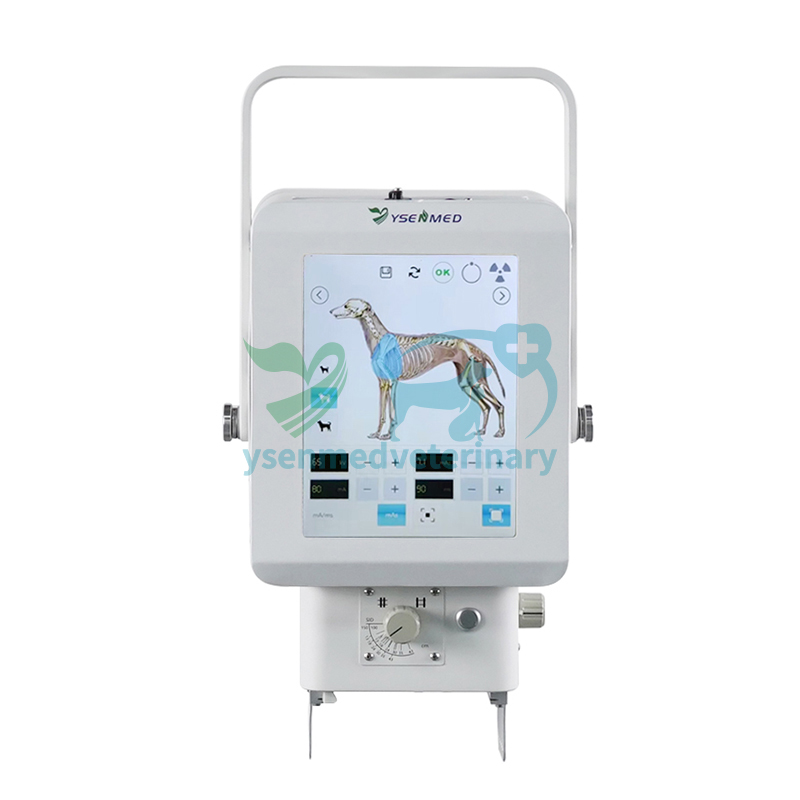
Mobile portable X-ray machines offer a solution to these challenges. These devices are designed for portability and flexibility, enabling imaging to be performed in various healthcare settings, including emergency rooms, nursing homes, and home health care. In this article, we will explore the advantages and applications of mobile portable X-ray machines, as well as the technology behind them, considerations for implementation, and future trends and innovations.
II. Advantages of Mobile Portable X-ray Machines
Mobile portable X-ray machines offer several advantages over traditional fixed machines. One of the most significant benefits is their portability and flexibility. These devices are designed to be lightweight and compact, making them easy to transport and set up in different healthcare settings. This enables imaging to be performed at the point of care, reducing the need for patient transportation and wait times.
Mobile portable X-ray machines also offer time-saving benefits for both patients and healthcare providers. With these devices, imaging can be performed quickly and efficiently, reducing the time required for diagnosis and treatment. This can lead to improved patient outcomes and satisfaction.
Another advantage of mobile portable X-ray machines is their enhanced accessibility and convenience. These devices can be used in a variety of healthcare settings, including remote or rural locations where fixed X-ray machines may not be available. They can also be used for home health care, allowing patients to receive imaging services in the comfort of their own homes.
III. Technology Behind Mobile Portable X-ray Machines
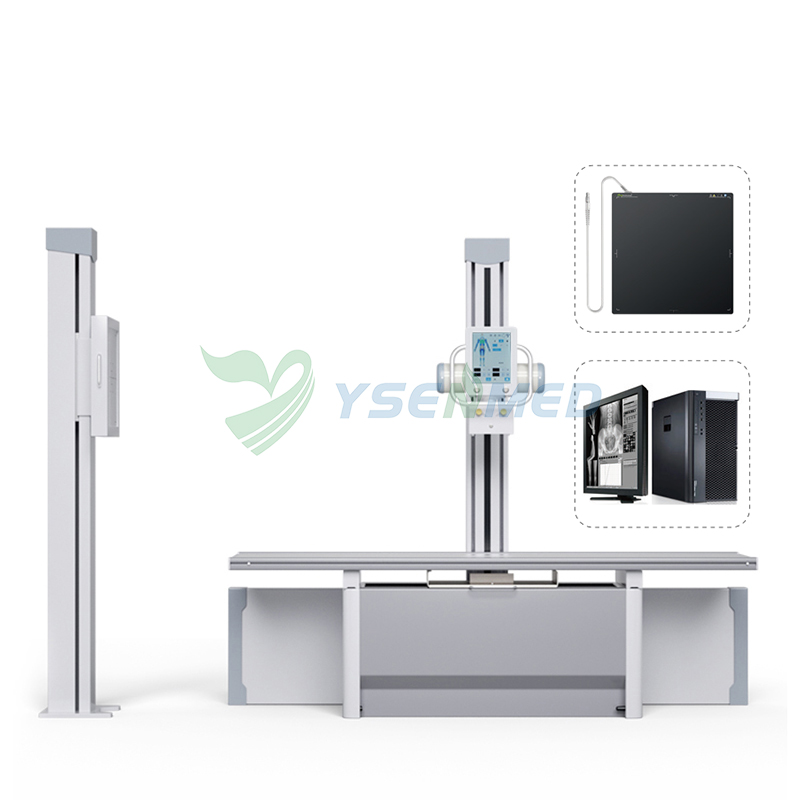
Mobile portable X-ray machines are designed with several components and features that enable them to perform high-quality diagnostic imaging. One of the most significant advancements in imaging technology is the transition from traditional film-based radiography to digital radiography. Digital radiography offers several advantages over film-based radiography, including improved image quality, faster processing times, and reduced radiation exposure.
Mobile portable X-ray machines also incorporate wireless connectivity and cloud-based solutions to enhance their functionality. These features enable images to be transmitted and stored digitally, reducing the need for physical storage space and improving accessibility for healthcare providers.
IV. Applications in Diagnostic Imaging
Mobile portable X-ray machines have a wide range of applications in diagnostic imaging. They can be used in different medical specialties, including orthopedics, pediatrics, and critical care. In orthopedics, mobile X-ray machines can be used to visualize fractures or joint injuries at the point of care, enabling faster diagnosis and treatment. In pediatrics, mobile X-ray machines can be used to perform imaging on infants or young children who may not be able to tolerate transportation to a fixed machine.
Mobile portable X-ray machines also have a significant role in critical care and bedside imaging. These devices enable imaging to be performed quickly and efficiently in emergency situations or in patients who are unable to leave their beds. They can also be used for point-of-care diagnostics, enabling rapid diagnosis and treatment decisions.
In the field of medical imaging, advancements in technology have revolutionized the way healthcare professionals diagnose and treat patients. One such advancement is the development of mobile portable X-ray machines. These machines have significantly streamlined the diagnostic imaging process, making it faster, more efficient, and more accessible.
Mobile portable X-ray machines are compact, lightweight, and easy to transport. They can be brought to a patient's bedside, eliminating the need to move the patient to a separate imaging facility. This not only saves time but also reduces the risk of injury or discomfort to the patient during transportation.
Moreover, these machines are equipped with advanced imaging technology that produces high-quality images with minimal radiation exposure. This is particularly beneficial for critically ill patients who cannot tolerate prolonged exposure to radiation. The use of mobile portable X-ray machines also reduces the need for repeat imaging, which can be costly and time-consuming.
One of the key advantages of mobile portable X-ray machines is their ability to provide real-time imaging results. The images captured by these machines can be viewed immediately on a computer screen, allowing healthcare professionals to make quick and accurate diagnoses. This is especially important in emergency situations where time is of the essence.
Additionally, mobile portable X-ray machines have proven to be invaluable in remote or underserved areas where access to medical facilities is limited. These machines can be easily transported to these areas, providing patients with access to high-quality diagnostic imaging services that were previously unavailable.
Despite these benefits, there are certain limitations to the use of mobile portable X-ray machines. For example, they may not be suitable for certain types of imaging procedures that require specialized equipment or settings. In such cases, patients may still need to be transported to a separate imaging facility.
Moreover, the use of mobile portable
X-ray machines requires specialized training and expertise on the part of healthcare professionals. This is necessary to ensure that images are captured accurately and safely, and that proper radiation safety protocols are followed.
In conclusion, mobile portable
X-ray machines have significantly improved the diagnostic imaging process by providing fast, efficient, and high-quality imaging services. They have proven to be particularly beneficial in emergency situations, remote or underserved areas, and for critically ill patients. However, their use requires specialized training and expertise, and may not be suitable for all types of imaging procedures. Nonetheless, these machines represent a major advancement in medical imaging technology and have the potential to revolutionize the way healthcare professionals diagnose and treat patients.