I. Introduction
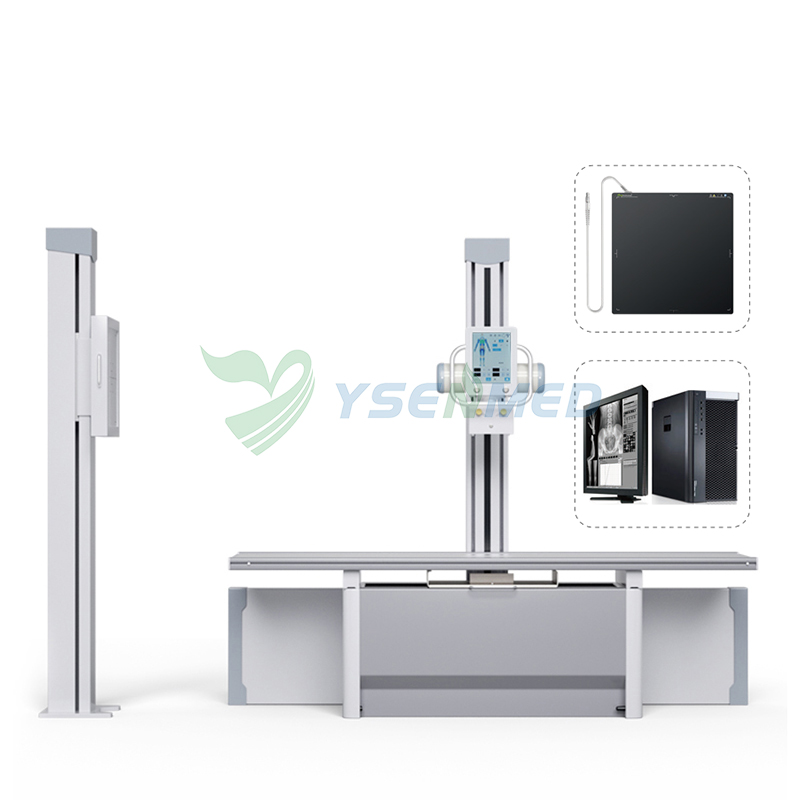
Diagnostic imaging plays a crucial role in emergency medicine, enabling clinicians to rapidly visualize and diagnose a wide range of medical conditions. Traditional fixed
X-ray machines have been the mainstay of diagnostic imaging for decades. However, they have several limitations that can impede patient care and outcomes in emergency settings, including limited accessibility, long wait times, and time-consuming transportation of patients.
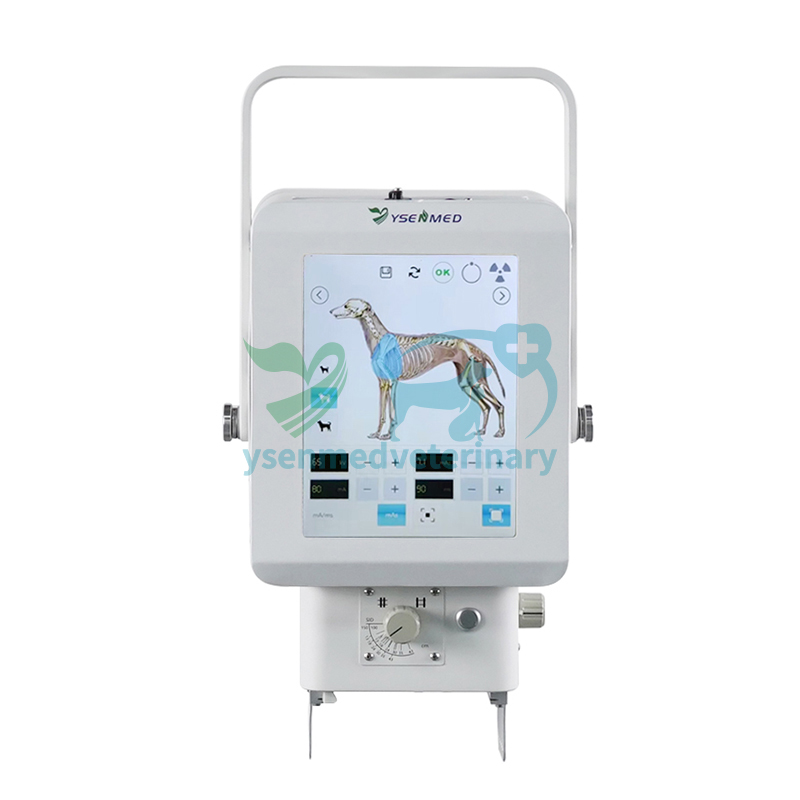
Mobile portable digital X-ray machines offer a solution to these challenges. These devices are designed for portability and flexibility, enabling rapid imaging to be performed in emergency departments and other acute care settings. In this article, we will explore the benefits of mobile portable digital X-ray machines in emergency medicine, including their advantages, applications, impact on patient care and outcomes, considerations for implementation, and future trends.
II. Advantages of Mobile Portable Digital X-ray Machines in Emergency Medicine
Mobile portable digital X-ray machines offer several advantages over traditional fixed machines in emergency settings. One of the most significant benefits is their portability and flexibility. These devices are designed to be lightweight and compact, making them easy to transport and set up in different locations within the emergency department. This enables rapid imaging to be performed at the point of care, reducing the need for patient transportation and wait times.
Mobile portable digital X-ray machines also offer time-saving benefits for both patients and healthcare providers. With these devices, imaging can be performed quickly and efficiently, reducing the time required for diagnosis and treatment. This can lead to improved patient outcomes and satisfaction.
Another advantage of mobile portable digital X-ray machines is their enhanced accessibility and convenience in emergency departments. These devices can be used in various locations within the emergency department, including trauma bays, resuscitation rooms, and other acute care areas. They can also be used for bedside imaging in critically ill or unstable patients, enabling rapid diagnosis and treatment decisions.
Mobile portable digital X-ray machines also offer improved image quality and diagnostic accuracy compared to traditional film-based radiography. Digital radiography offers several advantages over film-based radiography, including improved image quality, faster processing times, and reduced radiation exposure.
III. Applications of Mobile Portable Digital X-ray Machines in Emergency Medicine
Mobile portable digital X-ray machines have several applications in emergency medicine for rapid diagnosis and treatment. One of the most critical roles of these devices is in trauma cases and assessment of bone fractures. Rapid imaging with mobile portable digital X-ray machines can help identify fractures and other injuries that require immediate intervention.
Mobile portable digital X-ray machines are also useful in the detection of pneumothorax and other thoracic injuries. These devices can detect subtle changes in lung tissue that may indicate a pneumothorax or other thoracic injury that requires immediate attention.
In addition to thoracic injuries, mobile portable digital X-ray machines can also aid in the evaluation of abdominal emergencies and foreign body detection. Rapid imaging with these devices can help identify foreign bodies or other abnormalities that require immediate intervention.
Mobile portable digital X-ray machines also contribute to rapid diagnosis in stroke and cardiac emergencies. Rapid imaging with these devices can help identify ischemic or hemorrhagic stroke, as well as cardiac abnormalities that require immediate intervention.
IV. Impact on Patient Care and Outcomes
Mobile portable digital X-ray machines have a significant impact on patient care and outcomes in emergency medicine. One of the most significant impacts is the reduction in time to diagnosis and treatment initiation. Rapid imaging with these devices can help identify critical injuries or conditions that require immediate intervention, leading to improved patient outcomes.
Mobile portable digital X-ray machines also improve patient flow and decrease emergency department overcrowding. With rapid imaging at the point of care, patients can receive timely diagnosis and treatment, reducing the time required for patient stays and improving overall patient satisfaction.
In addition to improving patient outcomes and satisfaction, mobile portable digital X-ray machines enhance communication between emergency physicians and radiologists. With rapid imaging results available at the point of care, emergency physicians can make informed treatment decisions in collaboration with radiologists.
V. Considerations for Implementing Mobile Portable Digital X-ray Machines in Emergency Departments
Several considerations must be taken into account when implementing mobile portable digital X-ray machines in emergency departments. Safety concerns and radiation protection measures must be followed to ensure patient and healthcare provider safety.
Training requirements for emergency physicians and technologists must also be considered to ensure proper use of these devices. Integration with electronic health records (EHRs) and PACS systems is also necessary to ensure efficient workflow and accurate record-keeping.
Regulatory compliance and quality assurance protocols must also be followed to ensure proper use of these devices and accurate interpretation of images.
VI. Cost-Effectiveness of Mobile Portable Digital X-ray Machines in Emergency Medicine
Mobile portable digital X-ray machines are cost-effective compared to traditional fixed machines in emergency medicine. They have lower capital costs compared to fixed X-ray machines, making them more accessible to smaller healthcare facilities or those with limited budgets.
Mobile portable digital X-ray machines also reduce patient transportation costs and wait times, leading to potential cost savings from improved workflow efficiency.
VII. Future Trends and Innovations
Emerging technologies in mobile diagnostic imaging for emergency medicine include integration with artificial intelligence and machine learning algorithms. Ongoing research and development in portable imaging devices may lead to further improvements in image quality, workflow efficiency, and diagnostic accuracy.
VIII. Conclusion
Mobile portable digital X-ray machines have several benefits in emergency medicine, including portability, flexibility, time-saving benefits, enhanced accessibility and convenience, improved image quality and diagnostic accuracy, and cost-effectiveness compared to traditional fixed machines. These devices have a significant impact on patient care and outcomes in emergency settings, leading to improved diagnosis, treatment initiation, patient flow, communication between physicians and radiologists, patient satisfaction, and potential cost savings. Further adoption and integration of mobile portable digital
X-ray machines in emergency departments are encouraged for improved patient care and outcomes.