Why Does Digital Radiography Require Less Radiation Than Traditional X-rays?
In recent years, digital radiography has revolutionized the field of medical imaging, offering numerous advantages over traditional film-based X-rays. One of the most significant benefits of
digital X radiography is its ability to produce high-quality images with a significantly lower radiation dose. This reduction in radiation is critical for enhancing patient safety, minimizing the risks of radiation exposure, and ensuring optimal diagnostic accuracy.
In this comprehensive article, we will explore why digital radiography requires less radiation than traditional X-rays, the technology behind it, its benefits, and its impact on both patients and healthcare providers. We will also examine how digital X radiography enhances diagnostic accuracy and how it’s transforming the medical imaging landscape.
Introduction to Digital Radiography
What is Digital Radiography?
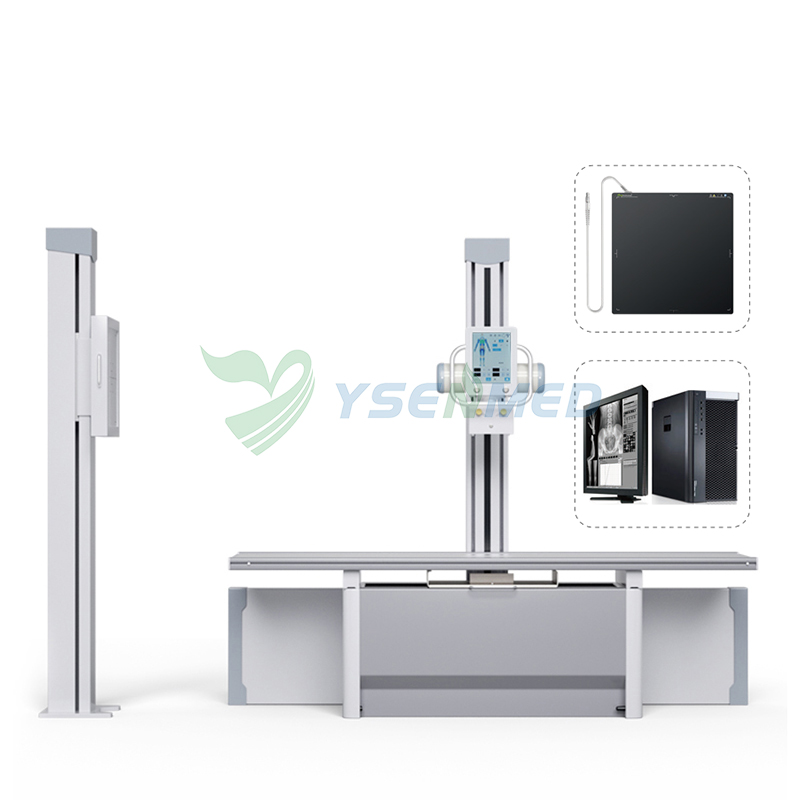
Digital radiography (DR) is a type of medical imaging that uses digital sensors instead of traditional X-ray film to capture and store images. In DR systems, the X-ray machine sends radiation through the body, and a digital detector captures the transmitted X-rays to create an image, which is displayed on a computer screen in real-time. Unlike traditional X-ray systems, where film or phosphor plates are developed and processed to reveal the image, digital radiography allows for immediate viewing, editing, and storage of X-ray images.
The technology used in digital X radiography is based on two primary components:
Digital Detectors: These sensors capture X-rays and convert them into electrical signals.
Image Processing Software: This software enhances and processes the captured image, improving its quality, contrast, and clarity.
The benefits of digital radiography go beyond just convenience; it also enables physicians to view high-quality images with greater speed and precision.
How Digital Radiography Reduces Radiation Exposure
1. Higher Sensitivity of Digital Detectors
One of the primary reasons digital X radiography requires less radiation than traditional X-rays is the higher sensitivity of the digital detectors used in DR systems. These detectors can capture more X-ray photons and convert them into a usable image with greater efficiency compared to the film-based systems of traditional X-ray machines.
Traditional X-ray film is less sensitive to X-rays, requiring higher doses of radiation to achieve an image with adequate contrast and detail. On the other hand, digital radiography detectors (such as flat-panel detectors or charge-coupled devices, or CCDs) are designed to detect and capture more X-ray photons at lower doses. This increased sensitivity allows for high-quality images with a fraction of the radiation required by conventional film-based systems.
2. Advanced Image Processing Technology
In digital X radiography, images can be processed and enhanced in real-time by the computer. This ability to manipulate the image enhances its clarity, contrast, and overall diagnostic quality. As a result, doctors can obtain clearer images with less radiation exposure. The advanced software used in DR systems can adjust brightness, contrast, and sharpness, helping to improve the quality of the images without requiring additional radiation.
In traditional X-ray systems, images often required multiple exposures to achieve the desired image quality, leading to higher radiation doses. With digital radiography, a single low-dose exposure is often sufficient because the digital system can amplify and refine the image afterward. This reduces the number of required images and, consequently, the amount of radiation the patient is exposed to.
3. Automatic Exposure Control (AEC)
Another feature of digital X radiography systems that reduces radiation exposure is the use of Automatic Exposure Control (AEC). AEC is a built-in feature in many DR machines that automatically adjusts the amount of radiation used based on the patient’s body size and the area being imaged. The system continually measures the exposure and ensures that only the optimal amount of radiation is delivered to capture the necessary image, preventing overexposure.
In traditional X-ray systems, technicians had to manually adjust the exposure settings, which sometimes resulted in unnecessary radiation exposure, especially if incorrect settings were used. With AEC in digital X radiography, this issue is minimized, leading to a more precise and safer approach to X-ray imaging.
Comparing Radiation Exposure in Digital Radiography and Traditional X-rays
1. Reduced Radiation Dose in Digital X-Rays
According to studies, digital radiography can reduce radiation exposure by up to 50% to 70% when compared to traditional film-based X-rays. The exact reduction in radiation depends on several factors, including the type of examination, the area of the body being imaged, and the specific digital system in use.
For example, in a study comparing digital radiography and traditional X-ray systems for chest imaging, the digital X-ray system required about 50% less radiation to produce an image with equivalent or superior quality compared to the film-based system. This is particularly significant when imaging pediatric patients or individuals who require frequent X-rays, as it helps minimize their lifetime radiation exposure.
2. No Need for Retakes
In traditional X-ray systems, achieving a high-quality image often required multiple exposures or retakes due to issues with positioning, technique, or film development. Each additional exposure meant more radiation for the patient. With digital radiography, however, the high sensitivity of the digital detectors ensures that the image quality is adequate on the first exposure, significantly reducing the need for retakes. This, in turn, further lowers the patient’s overall radiation exposure.
3. Adjustable Image Quality in Post-Processing
Digital radiography systems allow for post-processing of the captured image. This means that if the initial exposure does not yield a perfect image, the image can be adjusted afterward without requiring additional radiation. Adjustments such as brightness, contrast, and sharpness can all be fine-tuned digitally, reducing the need for repeat exposure. This flexibility is a major advantage over traditional film-based systems, where retaking an X-ray is the only way to improve image quality.
Benefits of Reduced Radiation Exposure in Digital X Radiography
1. Increased Patient Safety
The most significant benefit of reduced radiation exposure in digital X radiography is the enhanced safety of patients. Reducing the amount of radiation patients are exposed to during diagnostic imaging procedures lowers the risk of radiation-induced damage, including cancer or other long-term health issues. This is particularly important for vulnerable populations, such as pregnant women and children, who are more sensitive to radiation.
Lower radiation doses also help reduce the cumulative lifetime exposure for patients who require multiple imaging studies over the years. This is crucial for individuals with chronic conditions, those requiring frequent monitoring, or workers in industries like healthcare who may undergo periodic X-ray exams.
2. Improved Diagnostic Accuracy
With the ability to capture more information with less radiation, digital radiography provides clearer, more detailed images compared to traditional X-ray systems. These enhanced images allow healthcare providers to make more accurate diagnoses, reducing the likelihood of misdiagnosis and the need for additional imaging.
In addition, the ability to manipulate the image after it’s captured allows radiologists to focus on areas of interest, such as subtle fractures or abnormalities, that may be missed in traditional X-rays. This improvement in diagnostic accuracy can lead to earlier detection of conditions, better treatment outcomes, and a higher level of patient care.
3. Faster Results and Quicker Treatment
The immediacy of digital X radiography means that patients can receive their results much faster than with traditional X-rays. This speed allows for quicker diagnoses and faster treatment decisions. With no need to wait for films to be developed, both patients and healthcare providers benefit from the efficiency of digital systems. In emergency situations, where time is critical, digital radiography can be a life-saving tool.
The Future of Digital Radiography and Radiation Reduction
1. Ongoing Technological Advancements
As technology continues to evolve, digital radiography is likely to become even more advanced, further reducing radiation exposure. Future systems may include even more sensitive detectors, enhanced software for image processing, and more precise automated exposure controls. The ongoing development of these technologies will continue to improve patient safety and diagnostic accuracy.
2. Integration with Artificial Intelligence (AI)
AI-powered algorithms are already being integrated into digital radiography systems to further enhance the accuracy and speed of diagnoses. AI can assist radiologists by identifying patterns in X-ray images that may be difficult for the human eye to detect. As these systems become more integrated into everyday clinical practice, they will help ensure that digital X radiography is not only safer but also more effective.
Conclusion
Digital X radiography represents a significant advancement over traditional film-based X-rays, particularly in terms of radiation safety. By utilizing more sensitive detectors, advanced image processing technology, automatic exposure control, and real-time adjustments, digital radiography systems are able to produce high-quality images with a fraction of the radiation dose required by conventional X-ray systems. This reduction in radiation exposure enhances patient safety, improves diagnostic accuracy, and leads to better overall healthcare outcomes.
As the healthcare industry continues to embrace digital X radiography, patients will benefit from lower radiation doses, faster diagnoses, and more effective treatments. With ongoing technological advancements, the future of digital radiography promises even greater improvements in patient care, further reducing the risks associated with X-ray imaging while enhancing its diagnostic potential.
By adopting
digital X radiography, healthcare facilities can not only enhance the quality of care provided but also contribute to the ongoing effort to minimize unnecessary radiation exposure, ensuring the health and safety of patients for years to come.