Case Studies: Effective Use of Different Types of X-Ray Equipment in Clinical Settings
X-ray technology is one of the most essential diagnostic tools in modern medicine, providing invaluable insights into the body’s internal structures. From traditional systems to cutting-edge digital solutions, different types of X-ray equipment offer unique advantages depending on the clinical environment and specific patient needs. Understanding how different
X-ray equipment types are effectively used in clinical settings can help healthcare providers make informed decisions about which technology best suits their practice.
In this article, we will explore various types of X-ray equipment, including traditional X-ray machines, computed tomography (CT) scanners, portable X-ray machines, and advanced digital radiography systems. Through case studies, we’ll highlight their uses, advantages, and outcomes in different clinical environments, from emergency departments to specialized medical fields.
Introduction to X-Ray Equipment Types
Types of X-Ray Equipment
There are several X-ray equipment types used across different healthcare settings, each tailored to specific medical needs. These include:
Conventional X-ray Systems: These are the traditional, film-based systems that capture images using X-ray films. Although increasingly replaced by digital alternatives, conventional systems are still in use in some healthcare settings.
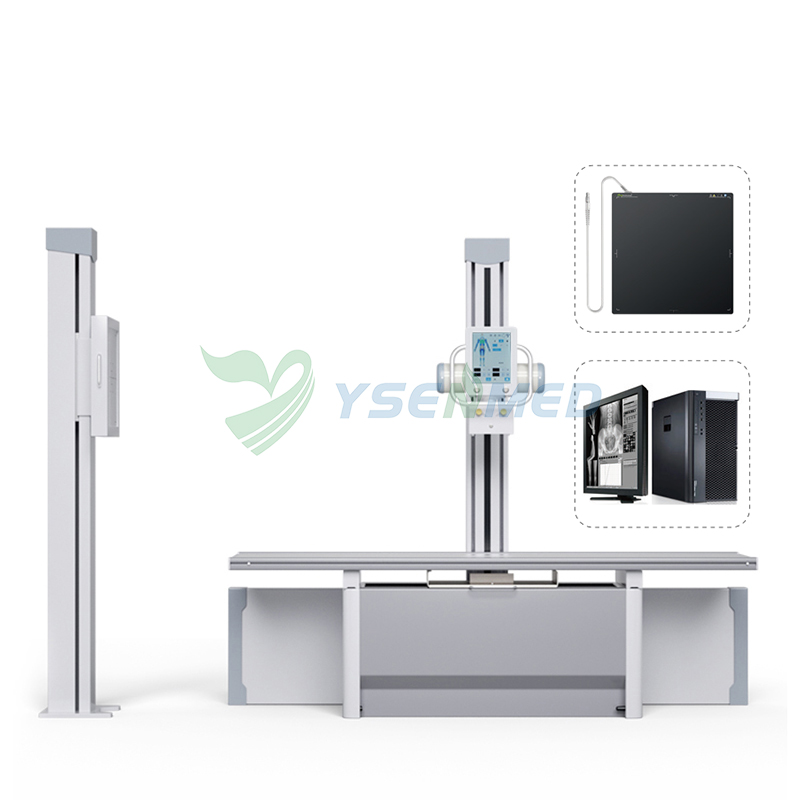
Digital Radiography (DR): These systems use digital detectors to directly capture X-ray images, providing immediate results and enhanced image quality.
Computed Radiography (CR): Similar to DR, CR uses an imaging plate that is later read by a laser to produce digital images.
Portable X-ray Machines: These mobile machines are designed for bedside imaging, particularly useful in critical care environments or areas with limited access to stationary machines.
Computed Tomography (CT) Scanners: These provide cross-sectional images of the body, offering more detailed views than conventional X-rays.
Fluoroscopy Systems: These are used for real-time imaging and are commonly used in procedures such as catheter placement or barium swallow studies.
Each type of X-ray machine has its specific benefits, and understanding their use in clinical practice is crucial for healthcare professionals to choose the right system for their needs.
Case Study 1: Conventional X-Ray in Orthopedics
Setting: Orthopedic Clinic
In an orthopedic clinic, conventional X-ray systems are still frequently used to diagnose bone fractures, joint dislocations, and other musculoskeletal conditions. While digital systems are increasingly being adopted, conventional X-ray machines remain a cost-effective choice for many smaller practices.
Problem:
A 45-year-old male presents with a suspected broken arm following a fall while hiking. The patient’s pain, swelling, and deformity suggest a fracture, and a quick diagnosis is necessary for treatment planning.
Solution:
The orthopedic team uses a conventional X-ray system to capture images of the patient’s arm. The technician positions the arm and directs the X-ray beam to create an image on the film. Within minutes, the X-ray film is processed, and the physician reviews the image, confirming a midshaft radius fracture.
Outcome:
The use of conventional X-ray allows for a rapid diagnosis, and the physician is able to apply the appropriate treatment plan, which includes casting the arm. While the image quality is sufficient for this basic diagnosis, the clinic’s need for more advanced imaging, such as for soft tissue injuries, may require digital radiography in the future.
Lessons Learned:
Advantages of Conventional X-ray: Low cost, relatively simple to operate, and fast results.
Challenges: Lower image quality compared to digital systems and the time required for film development.
Case Study 2: Digital Radiography in Emergency Departments
Setting: Emergency Department (ED) of a Hospital
In emergency departments, rapid diagnostics are critical for effective patient care. Digital radiography (DR) is increasingly being used in emergency departments due to its speed, ease of use, and high image quality. DR systems offer immediate results, which is essential in urgent care settings.
Problem:
A 30-year-old female presents to the emergency room with severe chest pain and difficulty breathing. The physician suspects a potential pneumothorax (collapsed lung), which requires immediate imaging to confirm.
Solution:
Using a digital radiography system, a chest X-ray is performed right at the bedside. The digital system immediately displays high-quality images on the computer screen, allowing the physician to quickly analyze the results. The image clearly shows a small pneumothorax on the right lung.
Outcome:
The digital X-ray provides instant results, allowing the physician to make a timely diagnosis. The patient is quickly moved to the treatment area where a chest tube is inserted to address the collapsed lung. The speed of diagnosis and treatment potentially saved the patient’s life, demonstrating the effectiveness of DR in emergency settings.
Lessons Learned:
Advantages of Digital Radiography: Immediate results, enhanced image quality, and the ability to adjust images digitally for better visualization.
Challenges: Initial high cost of the equipment and the need for skilled radiologists to interpret the results.
Case Study 3: Portable X-Ray Machines in Intensive Care Units (ICU)
Setting: Intensive Care Unit (ICU) of a Hospital
Portable X-ray machines are particularly valuable in settings like intensive care units, where patients may be too critically ill or immobile to be transported to a traditional X-ray room. These machines offer the flexibility of bedside imaging, which can speed up diagnoses and reduce the need for patient transportation.
Problem:
An elderly patient in the ICU has been experiencing difficulty breathing and an abnormal chest X-ray is ordered to evaluate for conditions such as pneumonia or fluid buildup. The patient is too weak to be moved to the radiology department.
Solution:
A portable X-ray machine is brought directly to the ICU bedside. The radiology technician uses the mobile unit to take an image of the patient’s chest, ensuring minimal disruption to the patient’s condition. The digital images are immediately uploaded to the hospital’s system, where a radiologist quickly reviews them.
Outcome:
The portable X-ray system confirms the presence of fluid in the patient’s lungs, which is diagnosed as pulmonary edema. This timely diagnosis allows the medical team to start the patient on appropriate medication and oxygen therapy, improving the chances of recovery.
Lessons Learned:
Advantages of Portable X-ray: Bedside imaging, quick access in critical care settings, reduced patient movement, and faster diagnoses.
Challenges: Image quality may not be as high as stationary units, and the machine's battery life may limit its use for extended periods.
Case Study 4: Computed Tomography (CT) in Oncology
Setting: Oncology Clinic
In oncology, CT scans are often essential for evaluating tumors, determining their size and location, and planning treatment. CT scanners provide highly detailed images that allow oncologists to make precise treatment decisions.
Problem:
A 60-year-old male with a history of smoking presents with a persistent cough and chest pain. A mass is detected in his chest through a routine chest X-ray. A CT scan is ordered to determine the size and characteristics of the mass.
Solution:
The patient is taken to the CT room, where the imaging team uses a CT scanner to capture cross-sectional images of the chest. The advanced capabilities of the CT scanner provide detailed images that show the mass’s exact size, location, and relation to surrounding tissues. The oncologist uses this information to plan the patient's treatment, which includes a biopsy and a tailored chemotherapy regimen.
Outcome:
The detailed images from the CT scan allow for accurate staging of the tumor, and the oncologist is able to offer a treatment plan that maximizes the patient's chances of recovery. The detailed images also guide the surgical team in planning a potential biopsy procedure.
Lessons Learned:
Advantages of CT Scanners: High-resolution, detailed cross-sectional images that allow for accurate diagnosis and treatment planning.
Challenges: Higher radiation dose compared to traditional X-ray, and the need for more extensive equipment and space.
Case Study 5: Fluoroscopy in Gastroenterology
Setting: Gastroenterology Department
Fluoroscopy is a type of X-ray that provides real-time moving images of the body. It is particularly useful in procedures where dynamic imaging is required, such as barium swallow studies or during gastrointestinal procedures.
Problem:
A 50-year-old female is experiencing difficulty swallowing, and a fluoroscopy study is ordered to evaluate for potential esophageal disorders such as a stricture or obstruction.
Solution:
During the fluoroscopy procedure, the patient swallows a barium solution, and real-time X-ray images are captured as the barium moves through the esophagus. The gastroenterologist can observe any abnormalities, such as narrowing of the esophagus or blockage.
Outcome:
The fluoroscopy study reveals a narrowing of the esophagus due to a benign stricture. Based on these findings, the gastroenterologist plans a treatment involving dilation and monitors the patient for any further complications.
Lessons Learned:
Advantages of Fluoroscopy: Real-time imaging for dynamic studies, such as swallowing, catheter placement, or gastrointestinal studies.
Challenges: Continuous radiation exposure during the procedure, requiring careful monitoring and limited exposure.
Conclusion: Maximizing the Impact of X-Ray Equipment Types
X-ray equipment plays a crucial role in clinical diagnostics across a variety of healthcare settings. By understanding the unique benefits of different
X-ray equipment types, healthcare professionals can select the best imaging solution for their patients’ needs. Whether it’s the quick bedside imaging offered by portable X-ray machines, the detailed cross-sectional views from CT scanners, or the real-time dynamic imaging of fluoroscopy, each system has specific advantages that enhance diagnostic accuracy and patient care.
The case studies presented in this article demonstrate how effective use of these **