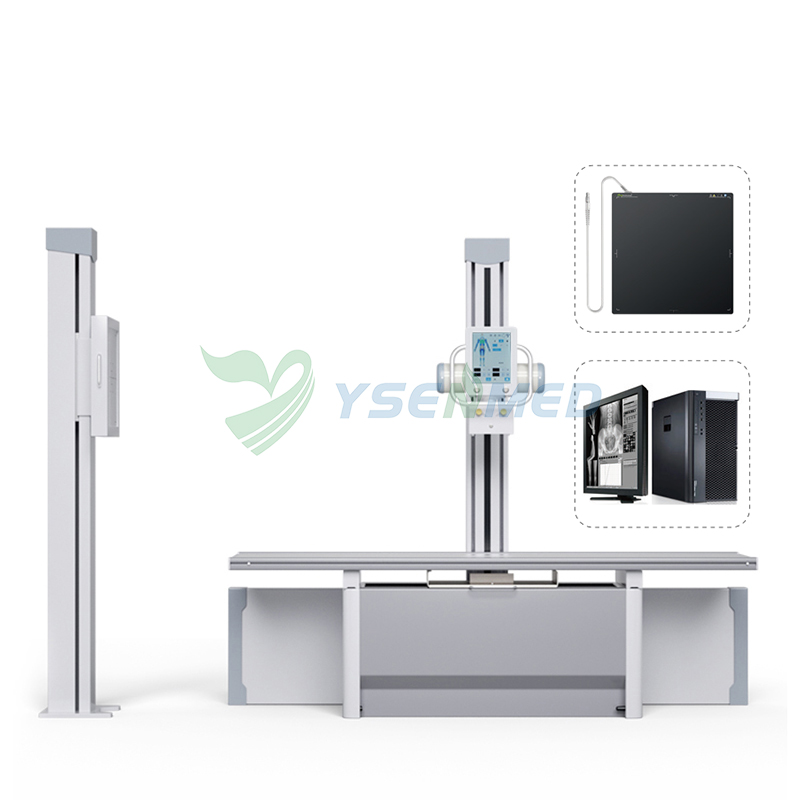
The Role of Dental X-ray Units in Orthodontics
Orthodontics is a specialized field of dentistry that focuses on diagnosing, preventing, and treating dental and facial irregularities. As orthodontic treatments often involve intricate procedures and long-term planning, accurate diagnosis and monitoring are paramount. Dental X-ray units play a crucial role in this process, providing detailed images that help orthodontists develop effective treatment plans and monitor progress. In this article, we will explore the importance of dental X-ray units in orthodontics, the different types of X-ray machines used, and the benefits they offer to both practitioners and patients.
Importance of Dental X-ray Units in Orthodontics
Accurate Diagnosis
Dental X-ray units are essential for diagnosing various orthodontic issues that may not be visible during a regular dental examination. These include:
- Misaligned Teeth: X-rays can reveal the positioning of teeth that are not visible to the naked eye, helping in identifying issues such as overcrowding, spacing, and impacted teeth.
- Jaw Alignment: Dental X-rays provide detailed images of the jawbone, aiding in the assessment of jaw alignment and the detection of conditions like overbite, underbite, and crossbite.
- Tooth Development: For younger patients, X-rays can monitor the development of permanent teeth and detect any potential issues early on.
Treatment Planning
Once a diagnosis is made, dental X-ray units are instrumental in developing a comprehensive treatment plan. The detailed images allow orthodontists to:
- Design Braces and Aligners: Accurate X-rays help in the precise design and placement of braces and clear aligners, ensuring effective and efficient treatment.
- Assess Bone Structure: Understanding the patient's bone structure is crucial for planning treatments that involve moving teeth or correcting jaw alignment.
- Monitor Progress: Regular X-rays during the course of treatment help orthodontists track the progress and make any necessary adjustments to the treatment plan.
Types of Dental X-ray Units Used in Orthodontics
There are several types of dental X-ray units that orthodontists use, each serving specific purposes and offering unique benefits.
Intraoral X-rays
Intraoral X-rays are the most common type of dental X-rays and provide detailed images of individual teeth. There are several types of intraoral X-rays:
- Bitewing X-rays: These X-rays show the upper and lower back teeth and how they touch each other. They are useful for detecting decay between teeth and changes in bone density caused by gum disease.
- Periapical X-rays: These provide images of the entire tooth, from the crown to the root, and the surrounding bone structure. They are essential for detecting issues below the gum line, such as abscesses or cysts.
- Occlusal X-rays: These X-rays capture the entire arch of teeth in either the upper or lower jaw, helping to identify issues with tooth alignment and jaw structure.
Extraoral X-rays
Extraoral X-rays focus on the jaw and skull rather than individual teeth. They provide a broader view and are used to diagnose and plan treatments for more complex orthodontic issues.
- Panoramic X-rays: These X-rays capture the entire mouth in a single image, including all teeth, the upper and lower jaws, and surrounding structures. They are particularly useful for assessing jaw alignment and detecting impacted teeth.
- Cephalometric X-rays: These X-rays provide a side view of the head, showing the teeth, jaw, and soft tissues. They are essential for planning orthodontic treatments that involve jaw realignment and assessing the relationship between teeth and facial structure.
Cone Beam Computed Tomography (CBCT)
CBCT is a more advanced imaging technology that provides three-dimensional images of the teeth, jaw, and surrounding structures. It offers several advantages over traditional X-rays:
- Detailed 3D Images: CBCT scans provide highly detailed, three-dimensional images, allowing for a more comprehensive assessment of the patient's dental and skeletal structure.
- Accurate Measurements: The precise images from CBCT scans enable orthodontists to take accurate measurements, which are crucial for planning treatments involving complex tooth movements or surgical interventions.
- Reduced Radiation Exposure: Compared to traditional CT scans, CBCT uses lower radiation doses, making it a safer option for patients.
Benefits of Dental X-ray Units in Orthodontics
The use of dental X-ray units in orthodontics offers numerous benefits, enhancing the quality of care and improving patient outcomes.
Enhanced Diagnostic Accuracy
Dental X-ray units provide detailed and accurate images that are essential for diagnosing a wide range of orthodontic issues. This accuracy allows orthodontists to identify problems early, leading to more effective treatments and better long-term outcomes.
Improved Treatment Planning
With the detailed information provided by X-rays, orthodontists can develop more precise and personalized treatment plans. This level of detail ensures that treatments are tailored to the specific needs of each patient, increasing the likelihood of successful outcomes.
Efficient Monitoring
Throughout the course of orthodontic treatment, regular X-rays allow for continuous monitoring of progress. This enables orthodontists to make timely adjustments to the treatment plan, ensuring that any issues are addressed promptly and effectively.
Enhanced Patient Communication
X-rays serve as valuable visual aids when explaining diagnoses and treatment plans to patients. By showing patients detailed images of their teeth and jaw, orthodontists can help them understand their condition and the rationale behind the recommended treatment, leading to greater patient satisfaction and compliance.
Reduced Treatment Times
Accurate and detailed X-rays contribute to more efficient treatment planning and monitoring, which can ultimately reduce the overall treatment time. Patients benefit from quicker results and a more streamlined treatment process.
Safety Considerations
While dental X-ray units are indispensable tools in orthodontics, it is important to consider safety, particularly with regard to radiation exposure. Orthodontists must adhere to strict guidelines to ensure the safety of their patients.
- Minimizing Radiation Exposure: Modern dental X-ray units are designed to minimize radiation exposure. Techniques such as using lead aprons and thyroid collars, as well as limiting the number of X-rays taken, help protect patients.
- Regular Maintenance: Ensuring that X-ray machines are regularly maintained and calibrated is essential for accurate imaging and minimizing radiation exposure.
- Patient Education: Informing patients about the safety measures in place and the importance of X-rays in their treatment can help alleviate concerns about radiation exposure.
Conclusion
Dental X-ray units are indispensable tools in orthodontics, providing the detailed and accurate images needed for effective diagnosis, treatment planning, and monitoring. The various types of X-ray machines, including intraoral, extraoral, and CBCT units, each offer unique benefits that enhance the quality of care provided to patients. By utilizing these advanced imaging technologies, orthodontists can ensure precise and personalized treatments, ultimately leading to better patient outcomes and increased satisfaction.
Incorporating the latest advancements in dental X-ray technology into orthodontic practices not only improves diagnostic accuracy and treatment efficiency but also ensures the safety and comfort of patients. As technology continues to evolve, the role of dental X-ray units in orthodontics will undoubtedly expand, further enhancing the capabilities of orthodontists and the quality of care they provide.