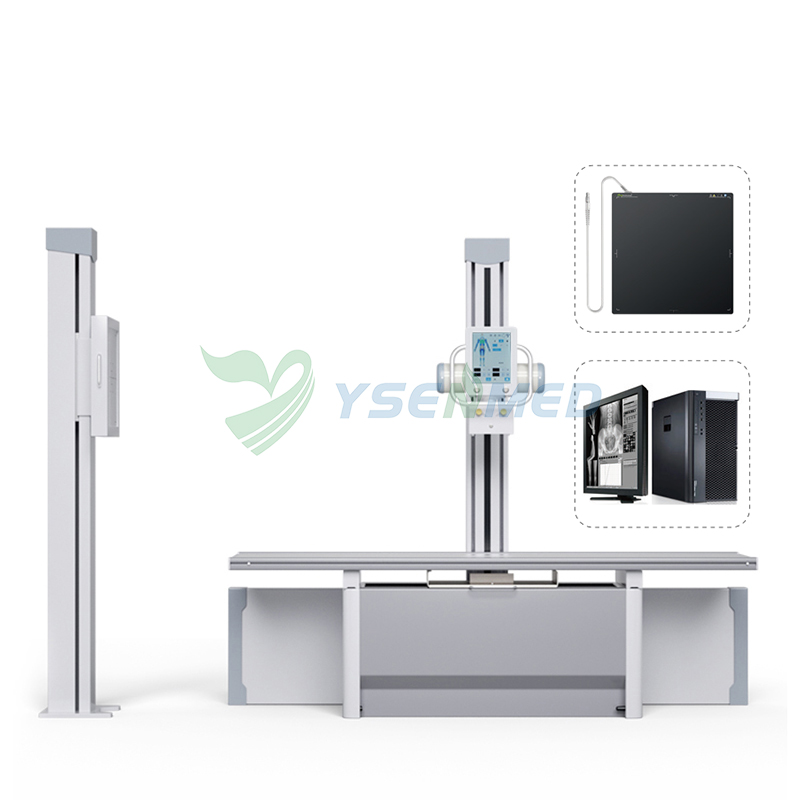
The Importance of Dental X-ray Units in Modern Dentistry
Introduction
In the realm of modern dentistry, the integration of advanced technology is crucial for enhancing diagnostic accuracy, treatment planning, and patient outcomes. Among the most significant technological advancements are dental X-ray units. These units have revolutionized the way dental professionals diagnose and treat various oral health conditions. This article delves into the importance of dental X-ray units in modern dentistry, exploring their benefits, applications, advancements, and future prospects.
Understanding Dental X-ray Units
What are Dental X-ray Units?
Dental X-ray units, also known as dental radiography machines, are devices used to capture images of the teeth, bones, and surrounding soft tissues. These images, known as radiographs, are essential for diagnosing dental issues that are not visible during a regular clinical examination.
Types of Dental X-ray Machines
-
Intraoral X-rays: These are the most common type of dental X-rays. They provide detailed images of the teeth and supporting bone. Subtypes include:
- Bitewing X-rays: Used to detect decay between teeth.
- Periapical X-rays: Show the entire tooth from crown to root.
- Occlusal X-rays: Capture the full arch of the teeth in either the upper or lower jaw.
-
Extraoral X-rays: These X-rays focus on the jaw and skull. Subtypes include:
- Panoramic X-rays: Provide a broad view of the entire mouth.
- Cephalometric X-rays: Used primarily in orthodontics to view the side of the head and identify jaw and bite alignment issues.
- Cone Beam Computed Tomography (CBCT): Offers 3D images, providing detailed information about the bone structure and tooth orientation.
How Dental X-ray Machines Work
Dental X-ray machines work by emitting a controlled burst of X-ray radiation through the targeted area. The radiation passes through the tissues and is captured on a digital sensor or traditional film placed in the mouth. Dense structures like bones and teeth appear white on the radiograph, while less dense areas appear darker, allowing for clear differentiation between various tissues.
Benefits of Dental X-ray Units
Enhanced Diagnostic Accuracy
Dental X-ray units provide detailed images that reveal hidden dental problems such as cavities, bone loss, impacted teeth, and abscesses. This diagnostic accuracy is vital for developing effective treatment plans and preventing further complications.
Improved Treatment Planning
With clear and detailed radiographs, dental professionals can plan treatments more effectively. For instance, in orthodontics, cephalometric X-rays help in planning braces or other orthodontic treatments by showing the exact position of the teeth and jaw.
Early Detection of Dental Issues
Early detection is crucial in dentistry to prevent the progression of dental diseases. Dental X-ray units enable early identification of problems such as tooth decay, periodontal disease, and oral infections, allowing for timely intervention and treatment.
Enhanced Patient Education
Dental X-rays are valuable tools for educating patients about their oral health. By showing patients the radiographs, dentists can explain the condition of their teeth and gums, discuss treatment options, and emphasize the importance of preventive care.
Reduced Radiation Exposure
Modern dental X-ray machines, especially digital systems, significantly reduce radiation exposure compared to traditional film-based systems. This reduction enhances patient safety while maintaining high image quality.
Applications of Dental X-ray Units
Routine Dental Examinations
Dental X-ray units are integral to routine dental check-ups. They help in monitoring the health of the teeth and jawbone, identifying any changes or developments since the last examination.
Endodontics
In endodontics, dental X-rays are essential for diagnosing and treating conditions affecting the tooth pulp and root canals. Periapical X-rays, for example, are crucial for evaluating the root structure and detecting infections.
Orthodontics
Orthodontists rely on dental X-rays, particularly cephalometric and panoramic X-rays, to plan and monitor the progress of orthodontic treatments such as braces and aligners. These images help in assessing tooth alignment and jaw structure.
Periodontics
Periodontists use dental X-rays to evaluate the health of the supporting structures of the teeth, including the gums and jawbone. X-rays are essential for diagnosing periodontal disease and planning treatments like scaling and root planing.
Oral Surgery
Dental X-ray units, particularly CBCT scanners, are invaluable in oral surgery for planning complex procedures such as dental implant placement, extraction of impacted teeth, and reconstructive surgeries. They provide detailed 3D images of the oral structures.
Pediatric Dentistry
In pediatric dentistry, dental X-rays help monitor the development of children's teeth and jaws. They are used to detect issues such as tooth decay, impacted teeth, and developmental abnormalities early on.
Advancements in Dental X-ray Technology
Digital Radiography
The transition from traditional film-based X-rays to digital radiography has been a significant advancement. Digital dental X-ray units offer numerous benefits, including:
- Immediate Image Viewing: Digital images are available instantly, eliminating the need for film processing.
- Enhanced Image Quality: Digital systems provide high-resolution images that can be easily enhanced and manipulated for better diagnosis.
- Lower Radiation Exposure: Digital X-rays require less radiation than film-based systems, improving patient safety.
- Easy Storage and Sharing: Digital images can be stored electronically and shared with other healthcare providers quickly and efficiently.
Cone Beam Computed Tomography (CBCT)
CBCT technology has revolutionized dental imaging by providing 3D images of the teeth, jaw, and surrounding structures. It offers detailed information about bone density, nerve pathways, and tooth orientation, which is critical for complex dental procedures.
Portable and Handheld X-ray Units
Advancements in portable and handheld dental X-ray units have increased flexibility and convenience in dental practices. These devices are particularly useful in mobile clinics, nursing homes, and for patients with limited mobility.
AI Integration
The integration of artificial intelligence (AI) in dental X-ray units is an emerging trend. AI algorithms can analyze radiographs and assist in diagnosing conditions, identifying patterns, and recommending treatment options. This integration enhances diagnostic accuracy and supports clinical decision-making.
Future Prospects of Dental X-ray Units
Enhanced AI Capabilities
The future of dental X-ray units will likely see further advancements in AI technology. AI-powered systems will become more sophisticated, offering real-time analysis, predictive diagnostics, and automated treatment planning.
Improved Image Quality and Lower Radiation
Ongoing research and development will continue to improve the image quality of dental X-rays while further reducing radiation exposure. These advancements will enhance patient safety and diagnostic capabilities.
Integration with Electronic Health Records (EHR)
Future dental X-ray units will have seamless integration with electronic health records (EHR) systems. This integration will streamline data management, improve workflow efficiency, and facilitate better communication between dental professionals and other healthcare providers.
Tele-dentistry Applications
As telemedicine continues to grow, dental X-ray units will play a crucial role in tele-dentistry. Portable and digital X-ray units will enable remote consultations, allowing dentists to diagnose and plan treatments for patients in distant or underserved areas.
Personalized Treatment Plans
Advancements in dental X-ray technology will support the development of personalized treatment plans. Detailed and accurate imaging will enable dentists to tailor treatments to each patient's unique needs, improving outcomes and patient satisfaction.
Conclusion
Dental X-ray units are indispensable tools in modern dentistry, providing numerous benefits such as enhanced diagnostic accuracy, improved treatment planning, early detection of dental issues, and patient education. Their applications span various dental specialties, including routine examinations, endodontics, orthodontics, periodontics, oral surgery, and pediatric dentistry.
Advancements in dental X-ray technology, such as digital radiography, CBCT, portable units, and AI integration, have significantly improved the efficiency, accuracy, and safety of dental imaging. The future of dental X-ray units holds exciting prospects, including enhanced AI capabilities, improved image quality, lower radiation exposure, integration with EHR systems, tele-dentistry applications, and personalized treatment plans.
As dental technology continues to evolve, dental X-ray units will remain at the forefront of innovation, driving advancements in diagnostic accuracy, treatment effectiveness, and patient care. Incorporating these advanced imaging tools into dental practices ensures that dental professionals can provide the highest standard of care, ultimately enhancing oral health outcomes for patients worldwide.