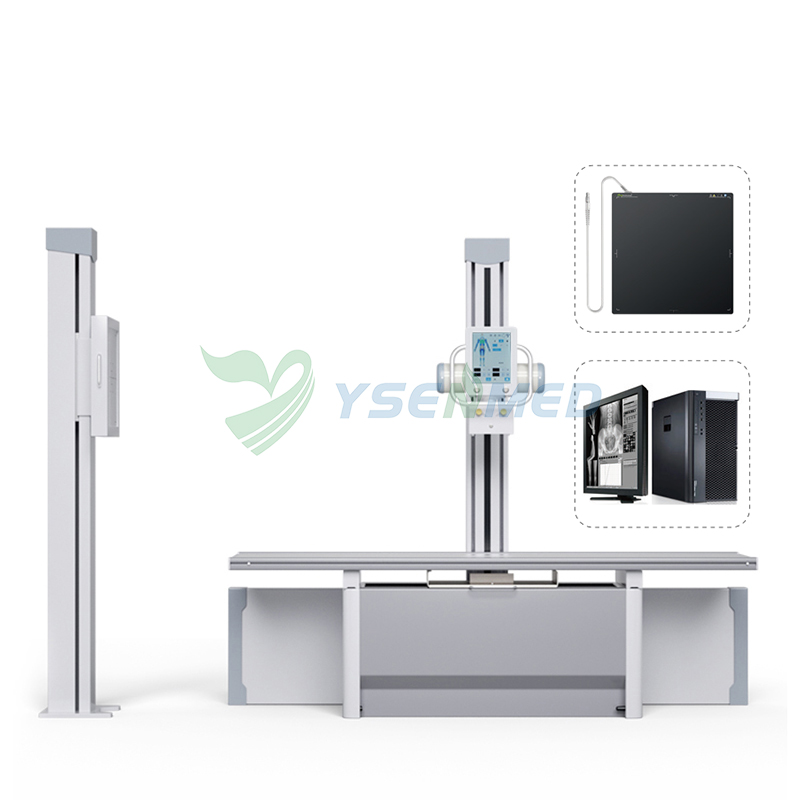
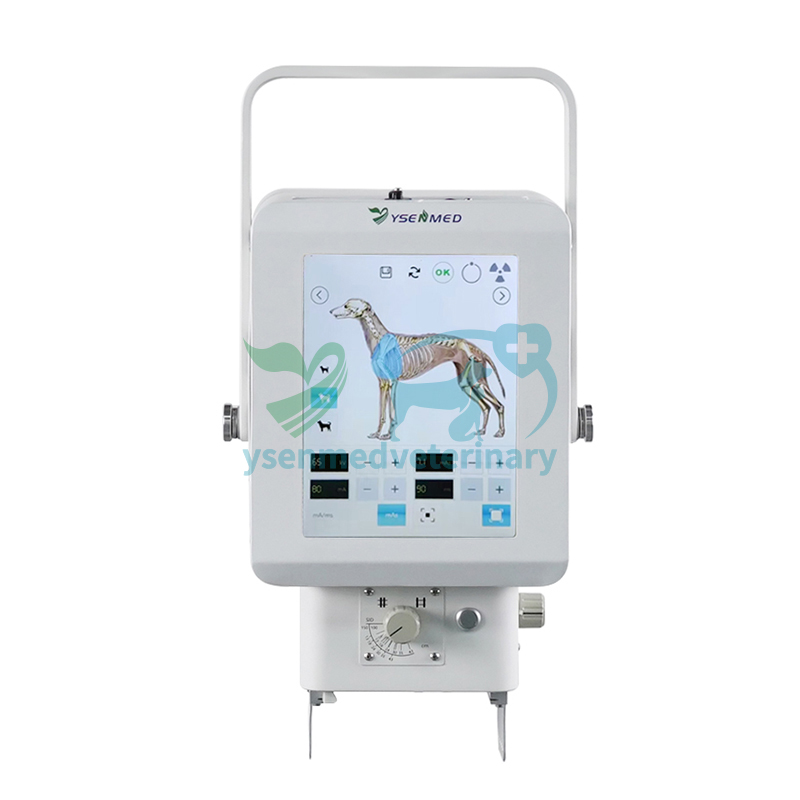
Flat panel detectors (FPDs) have become an increasingly popular technology in the field of veterinary medicine. These detectors offer a range of benefits over traditional film and computed radiography (CR) systems, including higher image quality, faster processing times, and increased versatility.
One of the primary advantages of FPDs is their ability to produce high-quality images with minimal radiation exposure. This is particularly important in veterinary medicine, where patients may be more sensitive to radiation than their human counterparts. FPDs also offer a wider dynamic range, which allows for more accurate image interpretation and diagnosis.
Another advantage of FPDs is their speed. Unlike film or CR systems, which require time-consuming processing steps, FPDs produce images almost instantly. This can be particularly beneficial in emergency situations, where quick diagnosis and treatment are critical.
FPDs are also highly versatile, allowing for a range of imaging applications beyond traditional radiography. For example, FPDs can be used for fluoroscopy, which involves real-time imaging of the body's internal structures. This technique is particularly useful in diagnosing conditions such as gastrointestinal obstructions or urogenital abnormalities.
In addition to fluoroscopy, FPDs can also be used for computed tomography (CT) scans. CT scans provide detailed 3D images of the body's internal structures, making them ideal for diagnosing complex conditions such as cancer or neurological disorders.
FPDs can also be used for intraoperative imaging, allowing for real-time visualization during surgical procedures. This can help surgeons ensure that they are targeting the correct area and avoiding damage to surrounding structures.
Overall, the versatility of FPDs makes them an invaluable tool in veterinary medicine. Whether used for traditional radiography or more advanced imaging techniques such as fluoroscopy or CT scans, FPDs offer superior image quality and faster processing times than traditional film or CR systems.
However, it is important to note that FPDs are not without their limitations. For example, they can be more expensive than traditional imaging systems, and may require additional training for veterinary staff. Additionally, FPDs may not be suitable for all imaging applications, such as those involving very small or very large animals.
Despite these limitations, the benefits of FPDs make them an increasingly popular choice for veterinary clinics and hospitals. As technology continues to advance, it is likely that we will see even more innovative uses for FPDs in the field of veterinary medicine.
In conclusion, the versatility of flat panel detectors has revolutionized the field of veterinary medicine. From traditional radiography to advanced imaging techniques such as fluoroscopy and CT scans, FPDs offer superior image quality and faster processing times than traditional film or CR systems. While there are limitations to their use, the benefits of FPDs make them an invaluable tool for veterinary clinics and hospitals. As technology continues to advance, we can expect to see even more innovative uses for FPDs in the future.
Flat panel detectors (FPDs) are used in a variety of medical imaging applications, including veterinary medicine. They offer several advantages over traditional film-based imaging systems, including improved image quality and greater versatility.
In veterinary medicine, FPDs are used to diagnose a wide range of conditions in animals, including bone fractures, joint disorders, and soft tissue injuries. FPDs are particularly useful in veterinary medicine because they allow for quick and accurate diagnosis, which can be critical for the health and well-being of animals.
One of the main advantages of FPDs in veterinary medicine is their ability to capture high-quality images with greater detail and clarity than film-based systems. This can be particularly important in diagnosing conditions that require a high level of detail, such as joint disorders or soft tissue injuries.
FPDs are also more versatile than film-based systems in veterinary medicine. They can be used for a wide range of imaging applications, including radiography, computed tomography (CT), and fluoroscopy. This versatility allows veterinary professionals to use a single detector for multiple imaging applications, which can help to reduce costs and improve efficiency.
In addition to their versatility and high image quality, FPDs also offer several other advantages over traditional film-based systems in veterinary medicine. They are faster and more efficient than film-based systems, which can help to reduce patient wait times and improve workflow in veterinary clinics. They are also more environmentally friendly than film-based systems because they do not require the use of chemicals for image development.
When choosing an FPD for veterinary medicine applications, it is important to consider factors such as resolution, contrast, dynamic range, and noise reduction. It is also important to choose an FPD that is compatible with existing imaging equipment and software.
Overall, flat panel detectors offer several advantages over traditional film-based imaging systems in veterinary medicine. They offer high image quality, versatility, speed, efficiency, and environmental friendliness. As veterinary medicine continues to evolve, FPDs are likely to become even more important in the diagnosis and treatment of a wide range of animal conditions.
Certainly! Here are some additional points to explore the versatility of flat panel detectors in veterinary medicine:
Portable and Mobile Use: Flat panel detectors are available in portable and mobile configurations, making them highly versatile for use in various veterinary settings. They can be easily transported to different locations within a clinic or even used in the field for on-site imaging of animals.
Size and Flexibility: FPDs come in different sizes, allowing veterinarians to choose the appropriate detector size based on the size of the animal being imaged. This flexibility makes FPDs suitable for imaging a wide range of animals, from small companion animals to large livestock.
Multi-Modality Capabilities: Some flat panel detectors offer multi-modality capabilities, allowing them to be used with different imaging modalities such as radiography, fluoroscopy, and even cone beam computed tomography (CBCT). This versatility enables veterinarians to perform a variety of imaging procedures using a single detector.
Real-Time Imaging: Flat panel detectors provide real-time imaging capabilities, particularly beneficial in dynamic procedures such as fluoroscopy. This allows veterinarians to visualize and monitor the movement of anatomical structures or the flow of contrast agents in real-time, aiding in the diagnosis and treatment of certain conditions.
Digital Image Storage and Sharing: FPDs produce digital images that can be easily stored, archived, and shared electronically. This facilitates efficient communication between veterinary professionals, enables remote consultations, and allows for seamless integration with electronic medical record systems.
Image Processing and Analysis: Digital images captured by FPDs can be processed and enhanced using software tools. This enables veterinarians to adjust image parameters, annotate findings, and perform measurements for more accurate diagnosis and treatment planning.
Reduced Radiation Exposure: FPDs require lower radiation doses compared to traditional film-based systems, resulting in reduced radiation exposure for both animals and veterinary staff. This is particularly important for repeated imaging procedures or when imaging sensitive areas.
Training and Education: FPDs can be valuable tools for veterinary education and training purposes. Their versatility allows students and residents to gain hands-on experience in various imaging techniques and modalities, enhancing their diagnostic skills.
In conclusion, flat panel detectors offer exceptional versatility in veterinary medicine. Their portability, size flexibility, multi-modality capabilities, real-time imaging, digital storage, image processing, and reduced radiation exposure make them indispensable tools for accurate diagnosis, treatment planning, and education in veterinary practices. As technology continues to advance, flat panel detectors are expected to further enhance their capabilities and play an even greater role in veterinary imaging.