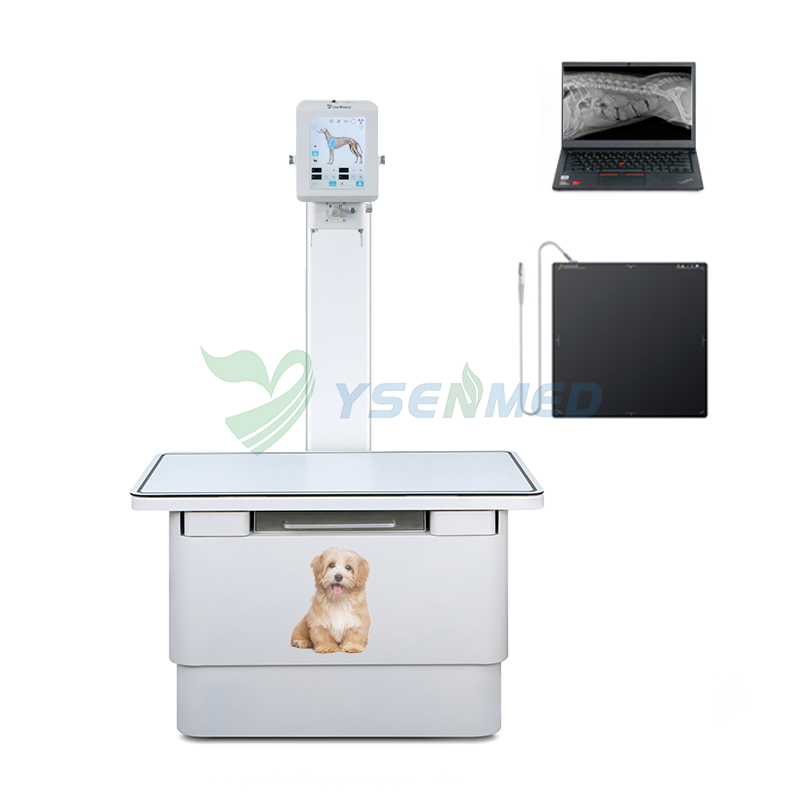
In 2025, veterinary practices rely on advanced imaging technologies to deliver precise diagnoses for canine patients, making the dog X ray machine a cornerstone of modern animal care. Ysenmed, a leading supplier of veterinary clinic equipment, offers a diverse range of X-ray solutions tailored for pet hospitals and clinics. This comprehensive guide assists purchasing specialists, veterinarians, nurses, and private pet clinic administrators in selecting the right dog X ray machine by exploring types, features, and key purchasing considerations. By understanding vet imaging equipment, practices can enhance diagnostic accuracy, improve animal welfare, and optimize operational efficiency.
Why Dog X-Ray Machines Are Critical for Veterinary Practices
X-ray machines enable veterinarians to visualize internal structures, identifying conditions like fractures, respiratory issues, or gastrointestinal obstructions without invasive procedures. For instance, dog radiography equipment provides non-invasive diagnostics, reducing stress for animals and their owners. Moreover, advancements in digital imaging have lowered radiation exposure by up to 80% compared to traditional film systems [], ensuring safer imaging for dogs and staff.
However, selecting the appropriate x ray machine for pets involves balancing clinical needs, budget constraints, and regulatory compliance. Ysenmed’s expertise in animal diagnostic tools helps clinics choose solutions that meet standards set by the American Veterinary Medical Association (AVMA) [].
Types of Dog X-Ray Machines
Veterinary Dog X-Ray Machine
The dog X ray machine, often referred to as a veterinary dog X ray machine, encompasses a variety of systems designed for canine diagnostics. Ysenmed’s veterinary X-ray systems, such as the YSX-V400D, deliver high-resolution images suitable for diverse applications, from bone fractures to soft tissue evaluation []. These systems integrate advanced detectors to ensure diagnostic precision [].
Additionally, veterinary X-ray machines support high-volume clinics by offering robust performance and durability. However, their specific features vary depending on whether they are digital, portable, or stationary [].
Digital Dog X-Ray Machine
The digital dog X ray machine revolutionizes veterinary imaging by using digital detectors to produce instant, high-quality images. Ysenmed’s digital systems, like the YSX-V500D, integrate with practice management software, enabling seamless image storage and sharing []. Furthermore, these systems reduce radiation doses, making them safer for frequent use [].
Moreover, digital veterinary X-ray machines eliminate film processing, cutting costs and environmental impact. As a result, they are ideal for practices seeking efficiency and diagnostic accuracy [].
Portable Dog X-Ray Machine
The portable dog X ray machine offers flexibility for veterinary practices with limited space or mobile services. These lightweight, battery-operated units, such as Ysenmed’s YSX-PV80, allow imaging in diverse settings, including field clinics or emergency rooms []. Their compact design ensures easy maneuverability without compromising image quality [].
However, portable systems may have lower power output, potentially limiting their effectiveness for larger dogs or complex cases []. Nevertheless, their versatility makes them a valuable addition to dog X ray imaging systems.
Stationary Veterinary X-Ray Machine
Stationary X-ray machines are designed for dedicated imaging rooms in high-volume veterinary practices. These systems deliver high power output, making them suitable for imaging large breeds or performing detailed diagnostics []. Ysenmed’s floor-mounted systems, like the YSX-FV500, feature adjustable tables and tubes for precise positioning [].
Despite their superior image quality, stationary systems require significant infrastructure, including lead-lined rooms and high-power electrical connections []. Consequently, they are best suited for established clinics with consistent imaging needs.
Veterinary Dental X-Ray Machine
Veterinary dental X-ray machines focus on imaging a dog’s teeth and gums, addressing common issues like periodontal disease. These systems, such as Ysenmed’s YSX-DV400, provide high-resolution intraoral images, similar to those produced by a canine radiology machine adapted for dental use []. Their compact design makes them ideal for practices offering dental services [].
Although specialized, these machines are less versatile for whole-body imaging. Nonetheless, they are essential for comprehensive canine care [].
Key Features to Prioritize in Dog X-Ray Machines
When selecting a dog X ray machine, veterinary professionals should focus on several critical features to ensure optimal performance:
-
Image Quality: High-resolution detectors, like those in Ysenmed’s digital dog X ray machines, produce clear images for accurate diagnoses [].
-
Radiation Safety: Systems with dose-reduction technology minimize exposure, aligning with ALARA (As Low As Reasonably Achievable) principles [].
-
Ease of Use: Intuitive controls, such as those in Ysenmed’s portable dog X ray machines, streamline workflows [].
-
Software Integration: Compatibility with veterinary software enhances image management and sharing [].
-
Durability: Robust designs ensure reliability in high-volume settings [].
By prioritizing these features, clinics can invest in vet imaging equipment that delivers consistent results and improves patient outcomes.
Purchasing Considerations for Dog X-Ray Machines
To choose the right dog X ray imaging system, veterinary practices should evaluate several factors:
-
Clinical Requirements: Assess the types of cases your clinic handles. For instance, general practices may prioritize digital dog X ray machines, while specialty clinics may need advanced systems like CBCT [].
-
Budget: Portable units are cost-effective for small practices, whereas stationary systems involve higher upfront costs [].
-
Space Availability: Stationary systems require dedicated imaging rooms, while portable dog X ray machines operate in compact spaces [].
-
Regulatory Compliance: Ensure equipment meets AVMA and state radiation safety standards to protect animals and staff [].
-
Maintenance and Support: Ysenmed provides comprehensive after-sale support, including installation and training, to ensure long-term performance [].
Additionally, practices should consider future scalability. For example, investing in systems that can be upgraded with advanced features ensures long-term value []. By partnering with Ysenmed, clinics can access tailored solutions that align with their clinical and operational goals.
The Role of Digital Technology in Veterinary X-Ray Imaging
Digital technology has transformed veterinary radiography systems, offering faster, safer, and more efficient imaging solutions. For instance, digital dog X ray machines eliminate the need for film processing, reducing operational costs and environmental impact []. Moreover, digital images can be enhanced, stored, and shared electronically, improving collaboration among veterinary professionals [].
Ysenmed’s digital veterinary X-ray machines, such as the YSX-V500D, incorporate advanced detectors and software, delivering high-quality images with minimal radiation. As a result, practices adopting digital solutions can enhance diagnostic accuracy and build trust with pet owners.
Addressing Common Concerns About Dog X-Ray Machines
Some veterinarians hesitate to invest in advanced canine radiology machines due to concerns about cost or complexity. For example, while stationary systems are expensive, their high throughput justifies the investment for large clinics []. Similarly, portable dog X ray machines are often more affordable than expected, offering flexibility for small practices [].
Furthermore, modern systems feature user-friendly interfaces, reducing training time for staff. Ysenmed’s animal diagnostic tools, for instance, simplify workflows, making advanced imaging accessible to all team members [].
Why Choose Ysenmed for Dog X-Ray Machines?
Ysenmed is a leading provider of dog X ray machines, offering a diverse portfolio of digital, portable, stationary, and dental systems. With nearly two decades of experience, Ysenmed delivers cost-effective veterinary clinic equipment, competitive pricing, and robust after-sale support []. Whether you need a portable dog X ray machine for mobile services or a stationary system for high-volume diagnostics, Ysenmed’s solutions meet diverse clinical needs.
Moreover, Ysenmed’s commitment to innovation ensures compliance with the latest industry standards, including radiation safety regulations. By choosing Ysenmed, practices gain access to reliable equipment and expert guidance, empowering them to deliver exceptional animal care.
Comparison of Dog X-Ray Machine Types
|
Machine Type
|
Key Features
|
Primary Applications
|
Space Requirements
|
Cost
|
|
Veterinary Dog X-Ray Machine
|
High-resolution, versatile
|
General diagnostics, diverse cases
|
Varies
|
Moderate to high
|
|
Digital Dog X-Ray Machine
|
Instant imaging, digital detectors
|
Busy clinics, high efficiency
|
Moderate
|
High
|
|
Portable Dog X-Ray Machine
|
Lightweight, battery-operated
|
Mobile services, emergencies
|
Minimal
|
Low to moderate
|
|
Stationary Veterinary X-Ray
|
High power, adjustable positioning
|
Large breeds, complex cases
|
Dedicated room
|
High
|
|
Veterinary Dental X-Ray
|
Intraoral imaging, compact
|
Dental diagnostics
|
Minimal
|
Moderate
|
This comparison highlights the diversity of dog radiography equipment, enabling clinics to select systems that align with their specific needs.
Conclusion
In summary, selecting the right dog X ray machine in 2025 requires a thorough understanding of clinical requirements, technological advancements, and purchasing considerations. From digital dog X ray machines to portable dog X ray machines, each type offers unique benefits for veterinary practices. By evaluating factors like image quality, radiation safety, and budget, clinics can invest in vet imaging equipment that enhances diagnostics and improves animal welfare. Ysenmed’s comprehensive range of x ray machines for pets ensures practices of all sizes can find tailored solutions, making it a trusted partner in veterinary radiology.
FAQ: Dog X-Ray Machines
What is the best dog X-ray machine for a small veterinary clinic?
Portable dog X ray machines are ideal for small clinics due to their affordability, compact size, and flexibility for mobile use [].
How do digital dog X-ray machines improve diagnostics?
Digital dog X ray machines offer instant imaging, high resolution, and lower radiation doses, enhancing diagnostic efficiency [].
Are portable dog X-ray machines suitable for large dogs?
While effective, portable dog X ray machines may have lower power output, potentially limiting image quality for larger breeds [].
What safety standards should dog X-ray machines meet?
Ensure compliance with AVMA and state radiation safety regulations to protect animals and staff [].
Why choose Ysenmed for veterinary X-ray equipment?
Ysenmed offers a wide range of dog X ray imaging systems, competitive pricing, and professional support, ensuring reliable solutions [].