We use cookies to improve your online experience. By continuing browsing this website, we assume you agree our use of cookies.

Unlocking Clearer Images The Image Quality Advantages of Flat Panel Detectors in Mammography

Views : 1641
Update time : 2023-10-24 10:27:00
As technology continues to advance, the medical field is constantly finding new and innovative ways to improve patient care. One area where this is particularly evident is in mammography, where the introduction of flat panel detectors (FPDs) has revolutionized the way breast imaging is performed.
In this article, we'll explore the image quality advantages of FPDs in mammography, and how they are helping to unlock clearer images and improve patient outcomes.
What are Flat Panel Detectors?
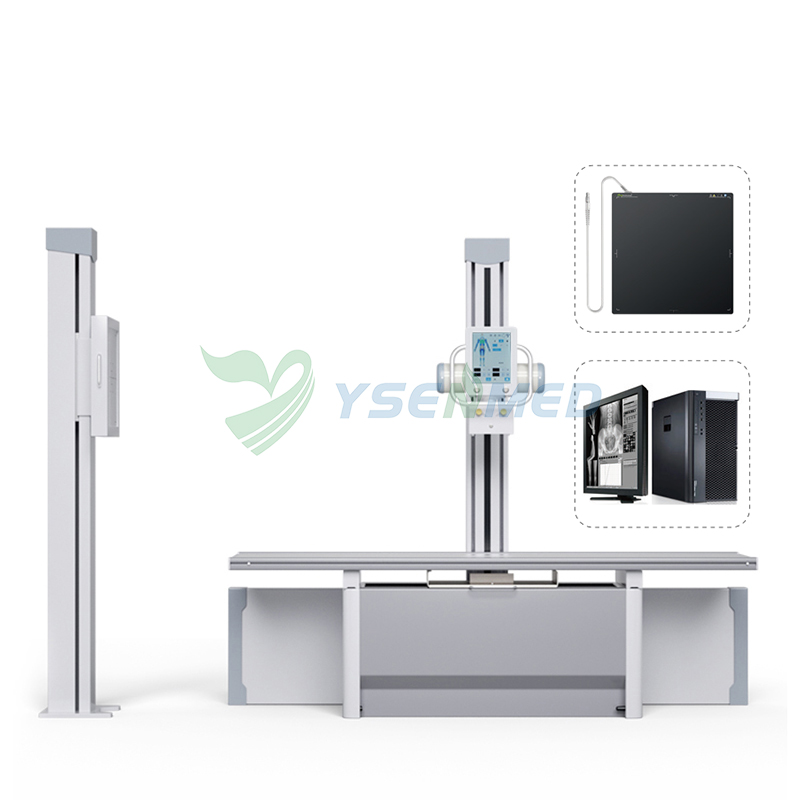
Before we dive into the benefits of FPDs in mammography, let's first define what they are. FPDs are a type of digital X-ray detector that are used to capture images of the breast during mammography exams. They consist of a flat panel that contains an array of small pixels, which convert X-rays into electrical signals that are then processed to create a digital image.
Compared to traditional film-based mammography, which uses X-ray film to capture images, FPDs offer a number of advantages. For one, they produce digital images that can be easily stored and transmitted electronically, allowing for faster and more efficient image processing. Additionally, FPDs require less radiation exposure than film-based mammography, which can reduce the risk of radiation-related side effects.
Advantages of FPDs in Mammography
Now that we have a basic understanding of what FPDs are, let's take a closer look at the specific advantages they offer in mammography.
Improved Image Quality
One of the biggest advantages of FPDs is their ability to produce high-quality images with greater detail and clarity than traditional film-based mammography. This is due to the fact that FPDs have a wider dynamic range than film, which allows them to capture a broader range of X-ray intensities. This results in images with better contrast and fewer artifacts, which can help radiologists detect small abnormalities that may have been missed with film-based mammography.
Faster Image Processing
Another advantage of FPDs is their ability to capture and process images much faster than film-based mammography. With FPDs, images can be captured in just a few seconds, compared to the several minutes required for film-based mammography. This not only reduces patient wait times, but also allows radiologists to review images more quickly and make faster diagnoses.
Reduced Radiation Exposure
As mentioned earlier, FPDs require less radiation exposure than film-based mammography. This is because FPDs are more sensitive to X-rays than film, which allows them to produce high-quality images with less radiation exposure. This is particularly important for women who require regular mammograms, as repeated exposure to radiation over time can increase the risk of developing radiation-related side effects.
Improved Patient Comfort
Finally, FPDs offer improved patient comfort compared to film-based mammography. With FPDs, patients don't have to hold still for as long during the exam, as images can be captured much more quickly. Additionally, FPDs require less compression force than film-based mammography, which can help reduce discomfort and anxiety during the exam.
Conclusion
In conclusion, flat panel detectors have revolutionized mammography by offering improved image quality, faster image processing, reduced radiation exposure, and improved patient comfort. As technology continues to advance, we can expect further improvements in mammography imaging that will help detect breast cancer earlier and improve patient outcomes.
Enhanced Workflow Efficiency
The speed and digital nature of FPDs also contribute to improved workflow efficiency in mammography. With digital images, radiologists can instantly review and analyze the results, eliminating the need for film development and manual processing. This not only saves time but also allows for quicker communication of results to patients and other healthcare providers.
Image Manipulation and Enhancement
FPDs offer additional advantages in terms of image manipulation and enhancement. Digital images can be easily adjusted for brightness, contrast, and zoom levels, allowing radiologists to optimize the visualization of specific areas of interest. This flexibility in image manipulation can aid in the detection of subtle abnormalities and improve diagnostic accuracy.
Reduction in Repeat Examinations
Due to their superior image quality and increased sensitivity, FPDs have been shown to reduce the need for repeat mammography examinations. The clearer images provided by FPDs allow radiologists to make more confident assessments, reducing the likelihood of false-positive or false-negative results. This not only saves time and resources but also minimizes patient anxiety and unnecessary exposure to radiation.
Potential for Computer-Aided Detection
Another exciting potential of FPDs in mammography is their compatibility with computer-aided detection (CAD) systems. CAD systems use advanced algorithms to assist radiologists in the detection of suspicious findings. When combined with FPDs, CAD systems can further enhance the accuracy and efficiency of mammography screenings, potentially leading to earlier detection of breast cancer.
Conclusion
In conclusion, flat panel detectors (FPDs) have revolutionized mammography by providing significant image quality advantages over traditional film-based methods. The improved image quality, faster processing, enhanced workflow efficiency, image manipulation capabilities, and potential for computer-aided detection make FPDs a valuable tool in the fight against breast cancer.
As technology continues to advance, we can expect further enhancements in FPD technology, leading to even clearer images and improved patient outcomes. With its ability to unlock clearer images, FPDs are playing a crucial role in early detection and effective treatment of breast cancer, ultimately saving lives.
Remember, regular mammography screenings are essential for early detection and prevention. Consult with your healthcare provider to schedule your next mammogram and ensure your breast health.