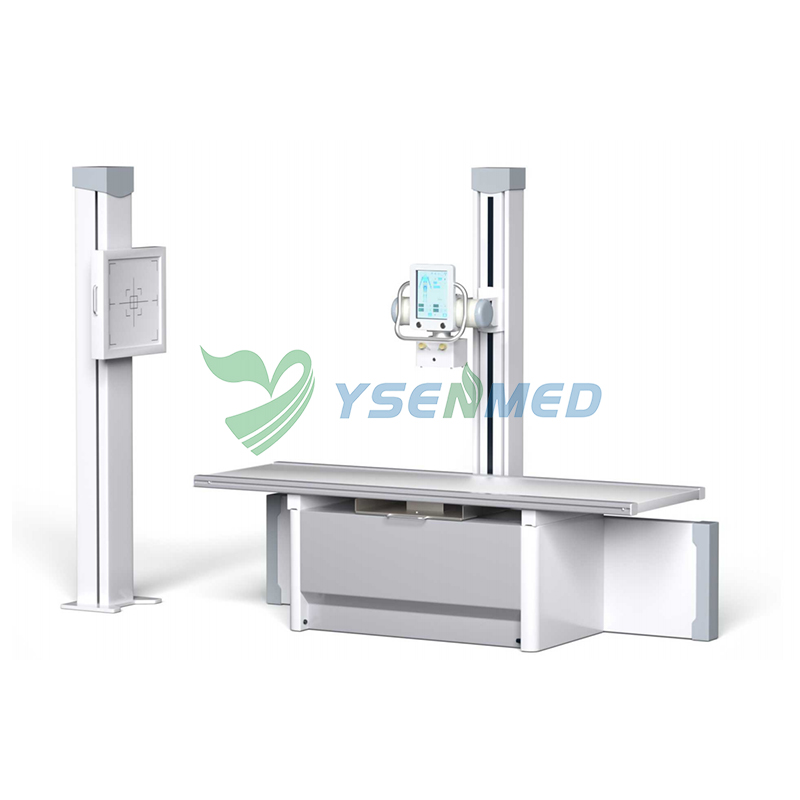
Healthcare professionals in hospitals, clinics, and specialized practices actively seek reliable medical imaging equipment to deliver accurate diagnostics and improve patient care. Procurement specialists evaluate the types of x ray machines carefully, focusing on features that align with clinical workflows, safety standards, and long-term durability. Doctors, nurses, and private clinic owners prioritize diagnostic X-ray equipment that enhances efficiency without complicating operations. In this complete guide to types of X-ray machines, we explore the different types of X-ray machines, their unique capabilities, and practical applications in modern radiology imaging technology. Moreover, suppliers like Ysenmed provide a comprehensive range of hospital X-ray machines, including digital systems tailored to diverse healthcare needs.
Fixed Radiography Systems | GE HealthCare (United States)
Ceiling-mounted fixed digital X-ray systems optimize space and precision in busy hospital radiology departments.
The Advancement of X-Ray Machine Types in Modern Healthcare
Radiologists and facility administrators increasingly adopt types of digital X-ray machines to replace traditional film-based systems. For instance, digital detectors capture images instantly, allowing immediate reviews and adjustments. Therefore, healthcare teams reduce patient wait times significantly.
Additionally, various types of X-ray machines now incorporate advanced dose reduction technologies and AI-assisted image enhancement. However, buyers consider factors like room size, power supply stability, and integration with electronic health records during selection. On the other hand, Ysenmed's portfolio addresses these challenges with robust designs suitable for both urban hospitals and remote clinics. Consequently, facilities gain access to versatile X-ray machine types that support evolving diagnostic demands.
Furthermore, flat panel detectors—available in wired and wireless variants—dominate current installations. These components improve portability and image sharing across departments. As a result, multidisciplinary teams collaborate more effectively on complex cases.
Hospitals and clinics deploy multiple types of medical X-ray machines to cover general and specialized imaging needs. Procurement experts analyze the differences between various types of X-ray machines to ensure optimal performance.
Floor-Mounted and Fixed Digital Radiography Systems
Radiology departments primarily use floor-mounted or ceiling-suspended fixed systems for high-volume general radiography. These digital radiography systems feature motorized components that enable precise patient positioning from multiple angles. For example, they excel in capturing chest, skeletal, abdominal, and spinal images with exceptional clarity.
Moreover, high-frequency generators ensure consistent output even during extended sessions. Therefore, busy hospitals maintain steady workflows. On balance, these stationary units form the core of comprehensive hospital X-ray machines.
U-Arm Digital Radiography Systems
Clinics with limited space favor U-arm configurations among types of digital X-ray machines. The U-shaped arm allows flexible detector and tube movements, supporting standing, sitting, or tabletop examinations without full room reconstructions.
Additionally, compact footprints suit smaller facilities or retrofits. However, motorized synchronization enhances accuracy for oblique views. As a result, versatile U-arm systems bridge general and specialized imaging needs efficiently.
Samsung Releases XGEO GU60A U-Arm DR System in United States ...
U-arm DR systems provide flexibility and space efficiency for multi-position imaging in constrained environments.
Portable and Mobile X-Ray Machines
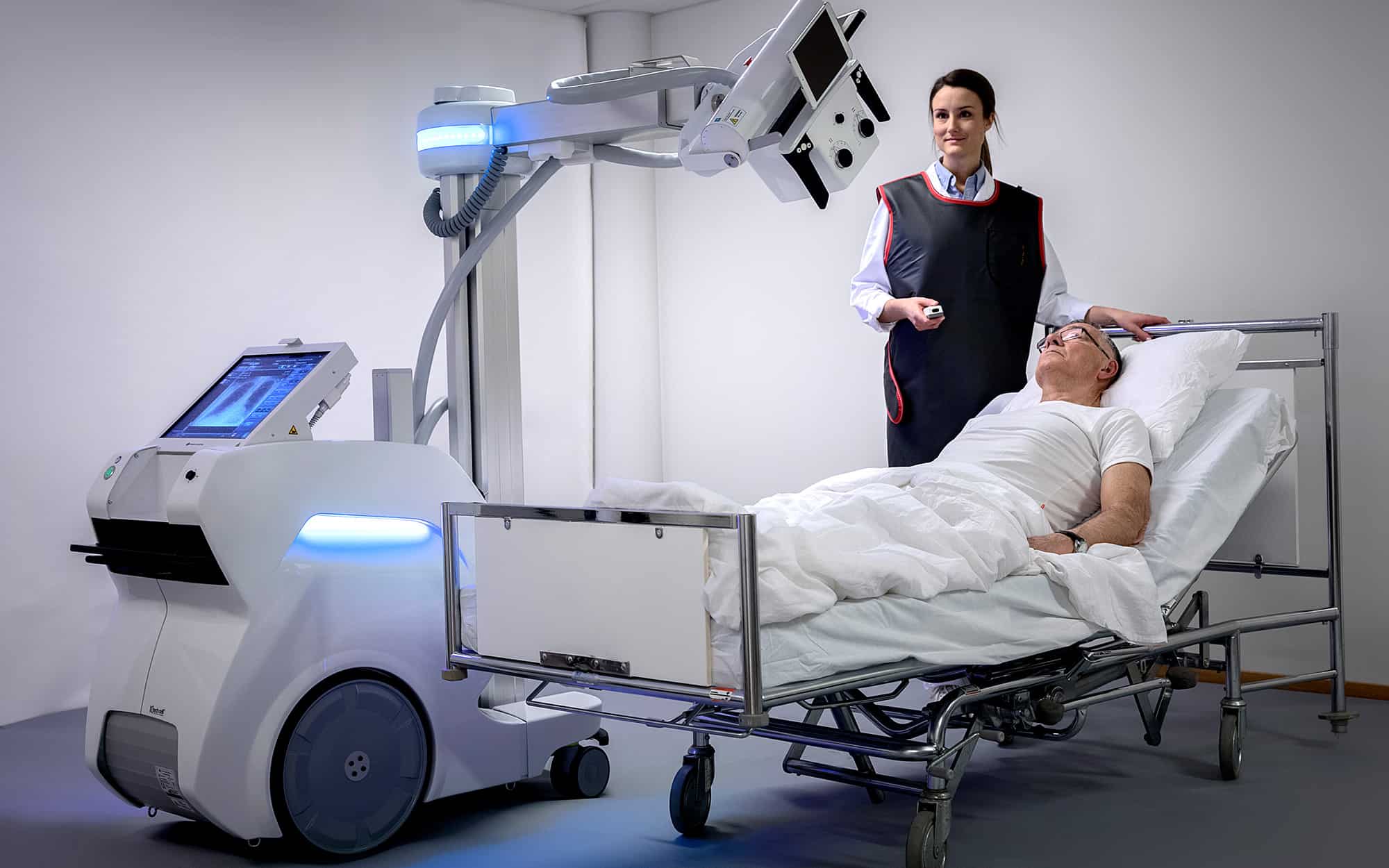
Critical care teams rely on portable and mobile units for bedside diagnostics. These lightweight diagnostic X-ray equipment options incorporate batteries and foldable stands, facilitating transport to ICUs, emergency rooms, or patient wards.
Furthermore, rapid setup minimizes risks for immobile patients. Nurses value touch-screen interfaces that streamline exposure settings. Therefore, portable machines prove indispensable in dynamic hospital settings.
Portable X-Ray Systems | Sft
Portable mobile X-ray machines enable quick bedside imaging, supporting critical care and infection control protocols.
C-Arm X-Ray Machines for Fluoroscopy
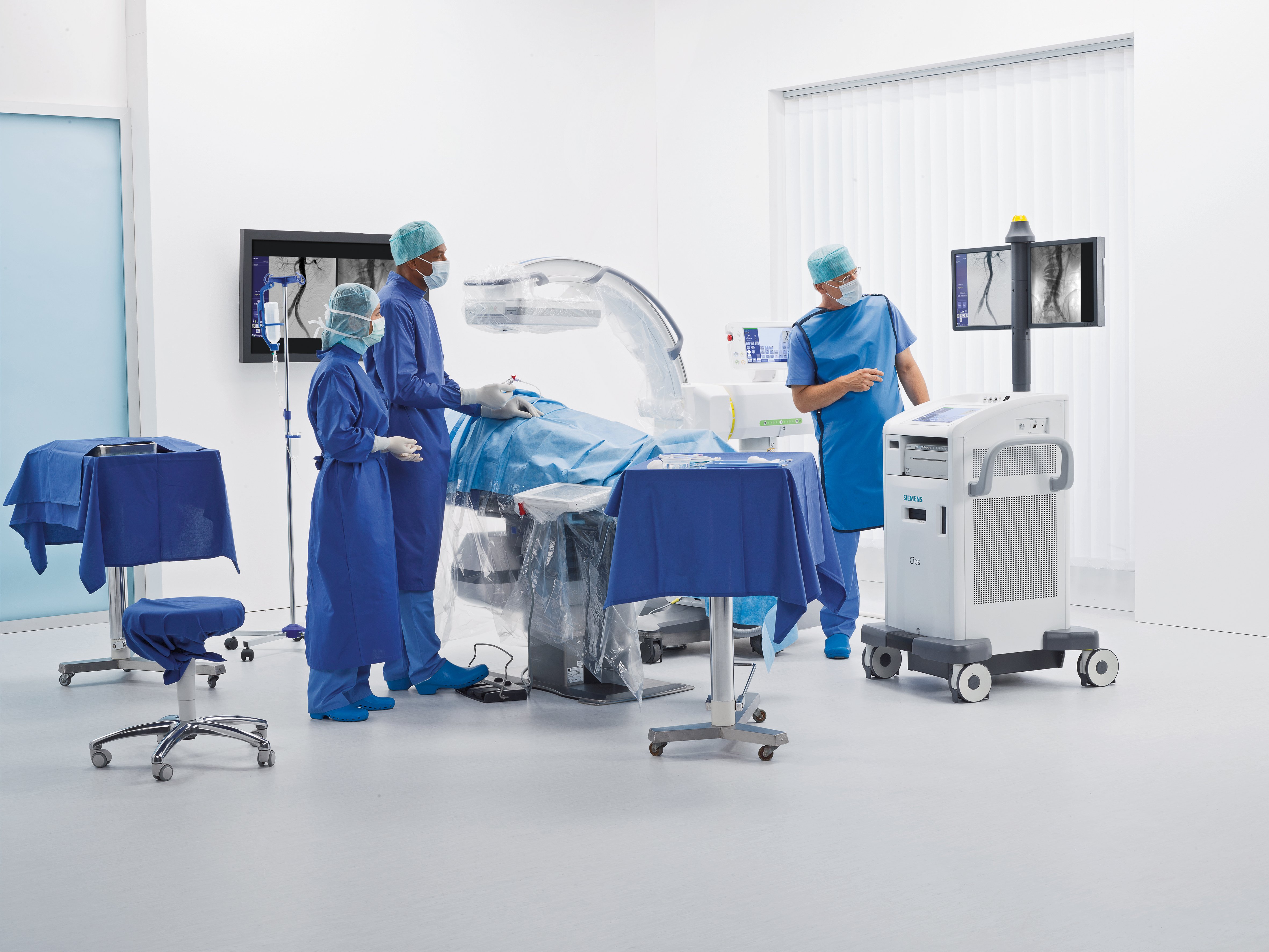
Interventional specialists utilize C-arm systems for real-time imaging during procedures. The C-shaped arm rotates freely around patients, providing continuous fluoroscopic views for surgeries in orthopedics, cardiology, and pain management.
Moreover, pulsed fluoroscopy modes optimize radiation management. However, high-resolution flat panels capture detailed vascular or orthopedic structures. Consequently, C-arms enhance procedural precision and outcomes.
An Introduction to Mobile C-Arm X-Ray Systems | Imaging Technology ...
C-arm fluoroscopy machines deliver dynamic real-time guidance essential for minimally invasive interventions.
Mammography Machines for Breast Imaging
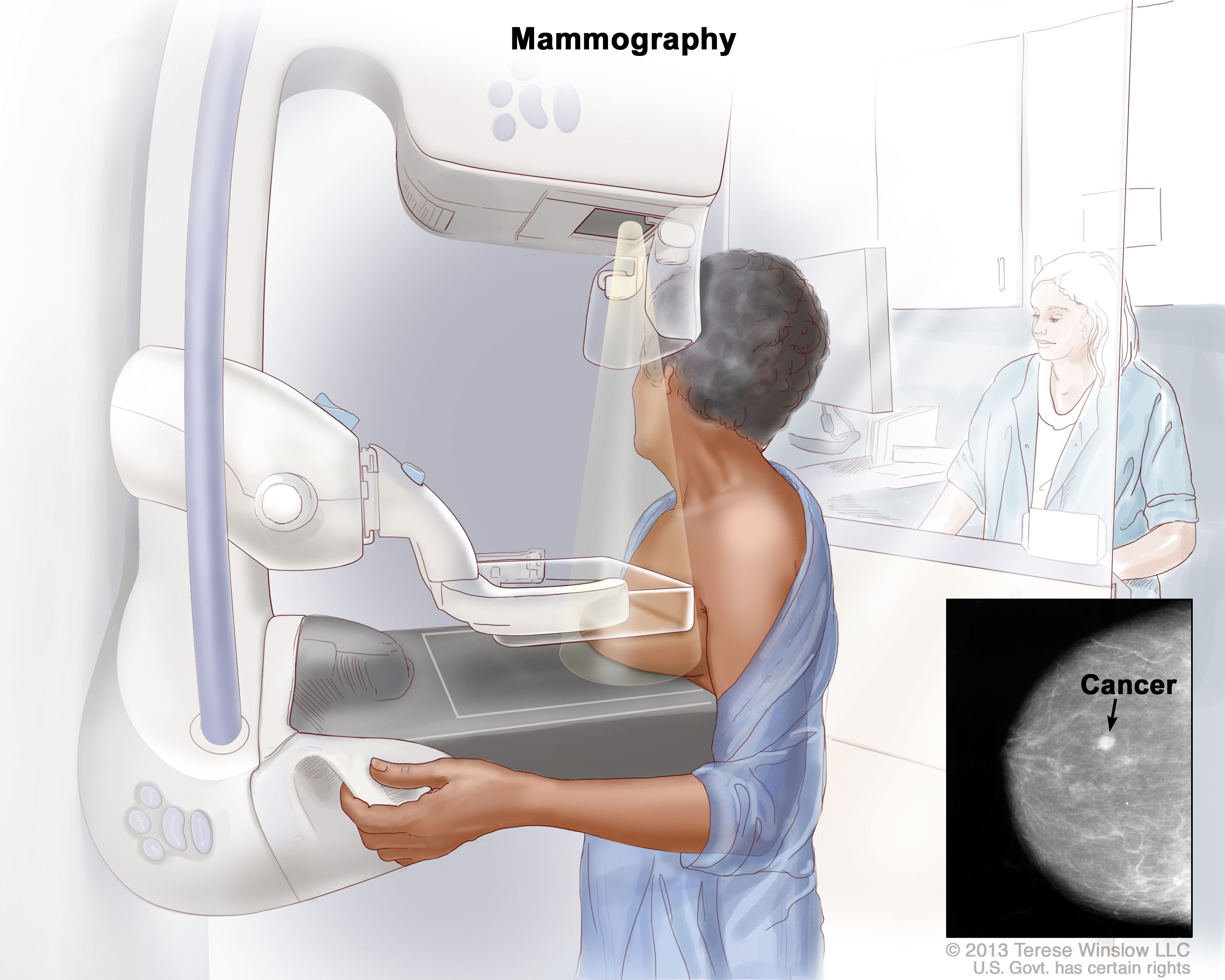
Women's health centers equip dedicated mammography units for early breast cancer detection. These specialized machines apply gentle compression to produce high-contrast images of breast tissue.
Additionally, digital tomosynthesis creates 3D reconstructions, improving lesion visibility. Therefore, screening programs benefit from enhanced sensitivity. On the other hand, ergonomic designs prioritize patient comfort during examinations.
Breast Cancer Screening: Guidelines, Mammography & Self ...
Digital mammography systems with advanced compression support accurate breast cancer screening and diagnostics.
Veterinary X-Ray Machines
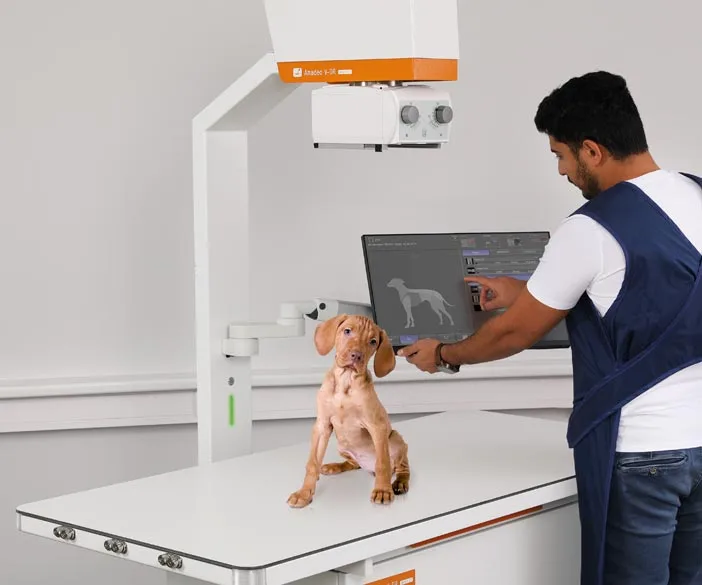
Animal healthcare providers select adapted X-ray systems for veterinary applications. These units accommodate various animal sizes, often featuring adjustable tables and specialized restraints.
Furthermore, digital detectors handle fur and movement artifacts effectively. However, portable variants suit field or mobile veterinary services. As a result, clinics deliver precise diagnostics for companion animals and livestock.
Veterinary X-ray machines for dogs, cats and small animals
Veterinary X-ray machines adapt to animal patients, ensuring safe and effective imaging in clinics.
Flat Panel Detectors: Essential Components Across Types
Many types of x ray machines integrate flat panel detectors for superior performance. Wired detectors offer reliable connectivity in fixed setups, while wireless versions enhance mobility in portable or multi-room configurations.
Additionally, specialized mammography detectors optimize low-dose breast imaging. Therefore, facilities upgrade existing systems easily with these modular components. On balance, detectors significantly influence overall image quality and workflow speed.
Comparison of Types of X-Ray Machines
Procurement teams benefit from clear comparisons when exploring how to choose the right type of X-ray machine.
| Type |
Primary Applications |
Key Features |
Mobility Level |
Ideal Settings |
Detector Options |
| Floor-Mounted Fixed DR |
General radiography, high-volume exams |
Motorized positioning, high-frequency generators |
Low |
Large hospitals, radiology departments |
Wired/Wireless |
| U-Arm DR |
Versatile positioning, space-limited facilities |
Compact U-arm, multi-angle flexibility |
Low |
Clinics, retrofits |
Wired/Wireless |
| Portable/Mobile |
Bedside, emergency, critical care |
Battery-powered, lightweight design |
High |
ICUs, wards, field use |
Wireless preferred |
| C-Arm Fluoroscopy |
Interventional procedures, surgery |
Real-time rotation, pulsed modes |
Medium |
Operating rooms, pain clinics |
Integrated flat panel |
| Mammography |
Breast screening and diagnostics |
Compression paddles, tomosynthesis |
Low |
Women's health centers |
Dedicated mammography detector |
| Veterinary |
Animal diagnostics |
Adjustable tables, durable construction |
Variable |
Veterinary clinics, mobile services |
Wired/Wireless |
This table highlights differences between various types of X-ray machines and types of X-ray machines and their applications, guiding informed decisions. Consequently, buyers match equipment precisely to operational requirements.
Administrators follow structured approaches for how to choose the right type of X-ray machine. First, define primary use cases and expected daily volumes. Additionally, assess infrastructure compatibility, including electrical capacity and radiation shielding.
Furthermore, prioritize user-friendly software and dose optimization features. Suppliers like Ysenmed incorporate intuitive interfaces and comprehensive training resources. However, evaluate service networks for prompt maintenance support. On the other hand, scalability ensures systems accommodate future upgrades, such as AI enhancements or additional detectors.
Moreover, regulatory compliance with international standards remains essential. Therefore, certified equipment safeguards patients and staff alike. As a result, thorough evaluations yield sustainable, high-performing solutions.
In conclusion, mastering the types of x ray machines empowers healthcare providers to elevate diagnostic capabilities across specialties. Ysenmed stands as a trusted partner, offering an extensive selection of reliable digital radiography systems and accessories. Discover how Ysenmed solutions can transform your imaging workflows and support superior patient care.
FAQ
What are the main types of X-ray machines used in hospitals?
The main types of X-ray machines used in hospitals include floor-mounted fixed DR, portable/mobile, C-arm fluoroscopy, and U-arm systems, each optimized for specific clinical scenarios.
What are the differences between various types of X-ray machines?
Differences between various types of X-ray machines center on mobility, real-time capabilities, specialization, and detector integration, influencing their suitability for different procedures.
How to choose the right type of X-ray machine for a facility?
To how to choose the right type of X-ray machine, assess patient volume, space constraints, applications, and integration needs for the best long-term fit.
What types of X-ray machines and their applications are most common?
Types of X-ray machines and their applications range from general diagnostics in fixed systems to interventional guidance in C-arms and breast screening in mammography units.
What is included in a complete guide to types of X-ray machines?
A complete guide to types of X-ray machines covers fixed, portable, specialized variants like mammography and veterinary, plus procurement factors in medical imaging equipment.