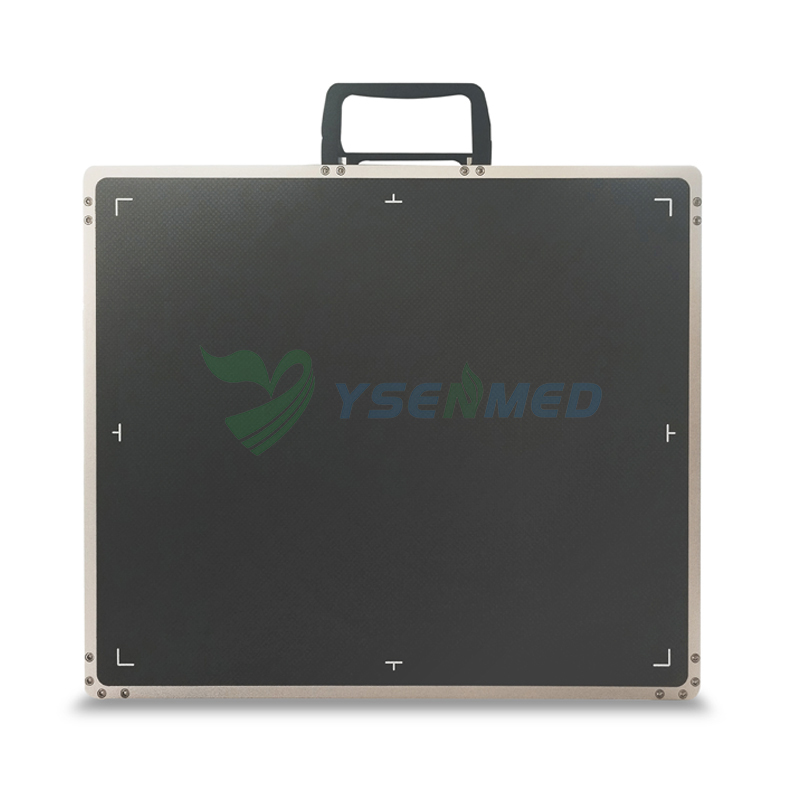
For purchasing specialists, doctors, nurses, or private clinic administrators, selecting the appropriate cassette of X ray is essential for ensuring high-quality imaging and efficient radiology workflows. These cassettes, integral to both computed radiography (CR) and digital radiography (DR) systems, play a pivotal role in capturing diagnostic images. Ysenmed, a leading provider of radiology equipment, offers a variety of x ray cassette types designed to meet diverse clinical needs. This article explores the different types of cassette of X ray used in medical imaging, their applications, and key considerations for purchase and use in radiology departments.
What Are X Ray Cassettes and Their Role in Radiology?
A cassette of X ray is a specialized device that houses imaging plates to capture X-ray images for diagnostic purposes. These cassettes, available as radiographic x ray cassettes or digital imaging plate holders, are used in CR and DR systems to produce high-quality images for conditions like fractures, lung diseases, and dental issues. Ysenmed’s x ray imaging cassettes, for instance, are engineered for durability and compatibility with modern imaging systems, ensuring reliable performance in busy clinical environments.
Moreover, the choice of cassette impacts image quality, workflow efficiency, and operational costs. By understanding the advantages of each type of cassette of X ray in clinical use, hospitals and clinics can optimize their radiology departments for both patient care and financial efficiency.
Types of X Ray Cassettes and Their Uses
Several x ray cassette types exist, each tailored to specific imaging needs and technologies. Below, we explore the primary types and their applications in radiology:
1. Computed Radiography (CR) Cassettes
Computed radiography cassettes contain photostimulable phosphor (PSP) plates that capture X-ray images, which are then scanned to produce digital images. These cassettes are widely used in facilities transitioning from traditional film to digital imaging.
-
Uses: CR cassettes are ideal for general radiology, including chest, skeletal, and abdominal imaging. They are cost-effective for hospitals with moderate imaging volumes.
-
Advantages: Affordable initial cost, compatibility with existing X-ray machines, and reusability make CR cassettes a popular choice.
-
Example: Ysenmed’s cassette used in x ray machines for CR systems offers high sensitivity and durability, ensuring consistent image quality.
2. Digital Radiography (DR) Cassettes
X ray imaging cassettes for DR systems use flat-panel detectors to capture images directly, bypassing the need for scanning. These cassette systems in x ray are designed for high-throughput environments requiring instant image availability.
-
Uses: DR cassettes excel in high-volume settings, such as emergency departments and orthopedic clinics, where rapid image processing is critical.
-
Advantages: Superior image quality, faster workflow, and reduced radiation exposure highlight the advantages of each type of cassette of X ray in clinical use.
-
Example: Ysenmed’s digital imaging plate holders integrate seamlessly with their DR systems, offering real-time imaging for precise diagnostics.
3. Traditional Film Cassettes
Film cassettes for x ray are used in analog radiography, housing traditional X-ray film that requires chemical processing. While less common today, they remain in use in low-resource settings.
-
Uses: Suitable for basic imaging needs, such as dental or veterinary clinics, where digital systems are not yet implemented.
-
Advantages: Low initial cost and simplicity make them viable for small clinics with limited budgets.
-
Disadvantages: Higher long-term costs due to film and chemical expenses, plus slower processing times, limit their use in modern radiology.
4. Specialty Cassettes
Specialty radiographic x ray cassettes are designed for specific applications, such as mammography, pediatric imaging, or long-bone studies. These cassettes often feature unique radiology film cassette sizes to accommodate specialized imaging needs.
-
Uses: Mammography cassettes ensure high-resolution imaging for breast cancer screening, while long-bone cassettes support full-length skeletal imaging.
-
Advantages: Tailored design enhances diagnostic accuracy for niche applications.
-
Example: Ysenmed offers specialty cassettes used in x ray machines for pediatric and dental imaging, ensuring precision in sensitive cases.
Comparison Between Traditional and Modern Cassette of X Ray Designs
The comparison between traditional and modern cassette of X ray designs highlights significant advancements in imaging technology. Below is a table summarizing key differences:
|
Cassette Type
|
Technology
|
Image Processing Time
|
Cost (USD)
|
Best For
|
Key Features
|
|
CR Cassette
|
Phosphor plate
|
1–2 minutes (scanning)
|
$500–$2,000
|
General radiology
|
Reusable, cost-effective
|
|
DR Cassette
|
Flat-panel detector
|
Instant
|
$2,000–$5,000
|
High-volume settings
|
Fast, high-resolution
|
|
Traditional Film Cassette
|
X-ray film
|
5–10 minutes (chemical processing)
|
$100–$500
|
Low-resource clinics
|
Low initial cost
|
|
Specialty Cassette
|
Custom plates
|
Varies by application
|
$1,000–$3,000
|
Mammography, pediatrics
|
Tailored for specific needs
|
Note: Costs are approximate and based on industry averages for new cassettes.
Key Considerations for Purchasing X Ray Cassettes
When deciding how to choose the right cassette of X ray for radiology departments, hospitals and clinics must evaluate several factors to ensure optimal performance and cost-efficiency:
1. Compatibility with Imaging Systems
The cassette system in x ray must be compatible with the facility’s CR or DR equipment. For instance, CR cassette vs DR detector compatibility is critical to avoid workflow disruptions. Ysenmed ensures their x ray imaging cassettes integrate seamlessly with their imaging systems, simplifying upgrades.
2. Patient Volume and Workflow
High-volume radiology departments benefit from digital imaging plate holders in DR systems for their speed and efficiency. Conversely, clinics with lower patient volumes (under 10 X-rays daily) may opt for computed radiography cassettes to balance cost and functionality.
3. Image Quality Requirements
High-resolution imaging is crucial for accurate diagnostics. Radiographic x ray cassettes for DR systems offer superior clarity compared to CR or film cassettes, making them ideal for complex cases like orthopedics or cardiology. Ysenmed’s cassette of x ray designs prioritize image quality across applications.
4. Maintenance and Durability
Reusable x ray cassette types, such as CR cassettes, require regular maintenance, including cleaning and phosphor plate replacement, to prevent image artifacts. Film cassettes for x ray have no maintenance but incur ongoing film costs. Clinics must weigh these factors against their operational capacity.
5. Budget and Cost-Effectiveness
The cassette of x ray for computed and digital radiography systems varies in cost, with DR cassettes being the most expensive upfront but offering long-term savings through efficiency. Ysenmed provides affordable radiology film cassette sizes and financing options to suit diverse budgets.
Advantages of Each Type of Cassette of X Ray in Clinical Use
Each cassette of x ray type offers unique benefits tailored to specific clinical scenarios:
-
CR Cassettes: Cost-effective and reusable, ideal for clinics transitioning to digital imaging without significant upfront investment.
-
DR Cassettes: Fast and high-resolution, perfect for busy hospitals requiring instant image availability.
-
Traditional Film Cassettes: Simple and affordable for low-resource settings, though less efficient than modern alternatives.
-
Specialty Cassettes: Designed for niche applications, ensuring precision in areas like mammography and pediatric imaging.
By understanding these advantages, clinics can align their cassette choice with clinical and operational goals.
Why Choose Ysenmed for X Ray Cassettes?
Ysenmed stands out among x ray equipment manufacturers for its comprehensive range of x ray cassette types and exceptional support. Here’s why hospitals and clinics trust Ysenmed:
-
Diverse Options: Ysenmed offers computed radiography cassettes, digital imaging plate holders, and specialty cassettes, catering to all radiology needs.
-
High-Quality Imaging: Their radiographic x ray cassettes deliver consistent, high-resolution images, enhancing diagnostic accuracy.
-
Comprehensive Support: Ysenmed provides installation, training, and maintenance services, ensuring seamless integration of cassette systems in x ray.
-
Global Expertise: With over 14 years of experience, Ysenmed supplies cassettes used in x ray machines to healthcare facilities worldwide, ensuring reliability and compliance.
For clinics seeking different types of cassette of x ray used in medical imaging, Ysenmed’s solutions offer unmatched value. Contact Ysenmed today to explore their cassette offerings and request a quote.
FAQs About Types of Cassette of X Ray
What are the different types of cassette of X ray used in medical imaging?
The different types of cassette of X ray used in medical imaging include computed radiography cassettes, digital imaging plate holders, film cassettes for x ray, and specialty cassettes. Each type supports specific imaging needs, from general radiology to niche applications like mammography.
How do I choose the right cassette of X ray for radiology departments?
To decide how to choose the right cassette of X ray for radiology departments, consider patient volume, imaging system compatibility, and budget. CR cassettes suit moderate volumes, while DR imaging systems are ideal for high-throughput settings.
What are the advantages of each type of cassette of X ray in clinical use?
The advantages of each type of cassette of X ray in clinical use vary: CR cassettes are cost-effective and reusable, DR cassettes offer speed and high resolution, film cassettes for x ray are affordable for low-resource clinics, and specialty cassettes provide precision for specific applications.
What is the difference between CR cassette vs DR detector?
The CR cassette vs DR detector comparison highlights that computed radiography cassettes use phosphor plates requiring scanning, while DR detectors provide instant digital images. DR cassettes are faster and more efficient but have higher upfront costs.
How do modern cassette designs compare to traditional ones?
The comparison between traditional and modern cassette of x ray designs shows that modern digital imaging plate holders and CR cassettes offer faster processing and higher image quality compared to film cassettes for x ray, which rely on chemical processing and are less efficient.
Conclusion
Understanding the types of cassette of X ray and their uses in radiology is crucial for hospitals and clinics aiming to enhance diagnostic accuracy and workflow efficiency. From computed radiography cassettes to digital imaging plate holders, each type offers unique benefits tailored to specific clinical needs. Ysenmed, a trusted name in x ray equipment manufacturers, provides a comprehensive range of x ray cassette types, ensuring compatibility with cassette systems in x ray and radiology film cassette sizes. By carefully evaluating patient volume, budget, and imaging requirements, facilities can select the ideal cassette of x ray to optimize their radiology departments. Contact Ysenmed today to explore their solutions and elevate your imaging capabilities.