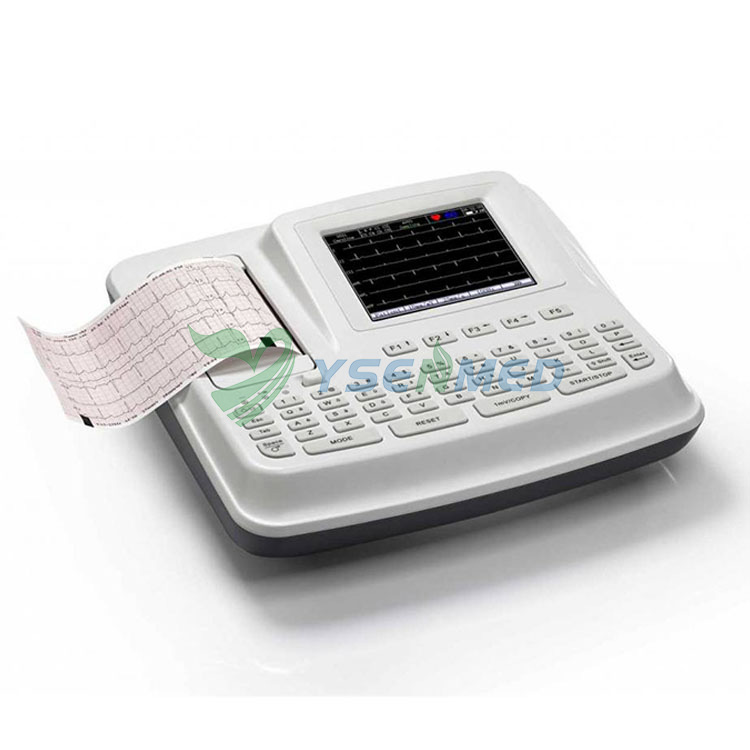
The Role of ECG Machines in Cardiac Diagnostics
Cardiac diagnostics rely heavily on electrocardiogram machine (ECG machines) to assess heart health. These machines have become indispensable in hospitals, clinics, and even for home use, providing vital insights into the heart’s electrical activity. The advent of advanced ECG technology has made it possible for healthcare professionals to monitor cardiac conditions more efficiently and accurately. Digital ECG machines, wireless EKG devices, and portable electrocardiogram machine have revolutionized the landscape of heart health monitoring, offering solutions that cater to a wide range of needs.
In this article, we’ll explore the common issues faced by hospitals and clinics when using electrocardiogram equipment, particularly the challenges of mechanical failures and poor maintenance. We’ll also provide practical tips for resolving these problems to ensure seamless operation of the ECG machine.
Understanding the Importance of ECG Machines in Cardiac Care
An ECG machine is essential for diagnosing various heart conditions, including arrhythmias, heart attacks, and even abnormalities that may not present symptoms. From a clinical ECG machine used in hospitals to a home use EKG machine designed for personal heart health monitoring, these devices play a crucial role in detecting heart issues early and accurately.
Notably, electrocardiogram equipment has evolved significantly. Older models were bulky and fixed, while newer, more compact ECG devices offer portability without sacrificing performance. Wireless EKG devices allow for continuous monitoring, which is essential for patients with heart conditions that require frequent check-ups. On the other hand, electrocardiogram monitors integrated with digital ECG monitors provide real-time data, empowering clinicians to make quicker, more informed decisions.
Despite their importance, hospitals and clinics face several challenges in ensuring that their electrocardiogram testing equipment remains fully functional and reliable. Let’s dive into the most common problems encountered when using these machines and how to prevent or fix them.
Common Problems with ECG Machines in Clinics and Hospitals
1. Mechanical Failures and Calibration Issues
One of the most significant challenges faced by hospitals and clinics is mechanical failure. Over time, clinical ECG machines are prone to wear and tear, leading to inaccurate readings or even complete breakdowns. Mechanical problems, such as issues with the electrode leads or improper calibration, can compromise the diagnostic accuracy of the EKG machine.
How to Avoid or Resolve This Issue:
- Routine calibration: Regular calibration is essential to ensure that the electrocardiogram machine provides accurate readings. Ideally, this should be done every 6-12 months, depending on usage.
- Professional maintenance: Engaging professional technicians to inspect and maintain the machine can prevent unexpected breakdowns. Following ECG machine maintenance tips from the manufacturer can help ensure longevity and precision.
- Software updates: For digital ECG machines and portable electrocardiogram machine, ensure that the software is regularly updated to maintain compatibility and functionality.
2. Poor Electrode Contact and Signal Interference
Signal interference is another issue that clinics face when using electrocardiogram equipment. This often results from poor electrode contact with the skin or interference from nearby electrical devices. Such issues can lead to distorted or unclear electrocardiogram readings, making it harder for clinicians to make accurate diagnoses.
Solutions:
- Proper electrode placement: Ensure that the electrodes are placed correctly and that the skin is cleaned before applying them to reduce resistance.
- Use quality electrodes: Invest in high-quality, reliable electrodes that provide consistent contact and reduce the risk of signal degradation.
- Avoid electrical interference: Keep the ECG machine away from other electronic devices, such as mobile phones or large machines, which may cause interference during testing.
3. Connectivity Issues with Wireless EKG Devices
The integration of wireless EKG devices into the healthcare system has brought numerous benefits, such as remote monitoring and seamless data transmission. However, connectivity issues can arise, especially in hospitals or clinics with insufficient network infrastructure.
How to Fix This:
- Stable internet connection: Ensure that the wireless network is reliable and can handle the data requirements of remote ECG monitoring, particularly for telemedicine ECG solutions.
- Upgrade wireless infrastructure: Invest in a high-quality wireless network to support wireless EKG technology and prevent disruptions during ECG testing.
- Use cloud-based solutions: Cloud-based systems for storing and analyzing electrocardiogram readings can offer greater flexibility and prevent data loss due to connectivity issues.
4. High Costs of Maintenance and Equipment
The initial purchase of advanced ECG technology can be a significant investment. Moreover, ongoing maintenance and replacement parts for electrocardiogram machines can add to the financial burden, especially for smaller clinics or private healthcare providers.
Cost-Effective Tips:
- Consider leasing options: Leasing ECG machines can reduce upfront costs and provide access to the latest models without significant capital investment.
- Compare suppliers: Work with reliable electrocardiogram machine suppliers who offer competitive pricing and flexible maintenance contracts. Review ECG machine reviews to find the best machines that suit your budget.
- Prioritize maintenance: Regular maintenance, as outlined in ECG machine maintenance tips, can extend the lifespan of the equipment and reduce long-term repair costs.
The Benefits of Advanced ECG Technology in Cardiac Diagnostics
Advanced ECG technology offers numerous benefits to both healthcare providers and patients. With the latest digital ECG machines, healthcare professionals can obtain more accurate, real-time information about the heart's electrical activity. This helps in detecting heart problems early, allowing for timely intervention and treatment.
Key Benefits Include:
- Early detection of cardiac arrhythmias: Cardiac arrhythmia detection through ECG machines helps identify irregular heartbeats, which can be critical in preventing more severe conditions like strokes or heart attacks.
- Non-invasive testing: Unlike other diagnostic procedures, electrocardiogram testing equipment offers a non-invasive way to monitor the heart's condition, making it safer and more comfortable for patients.
- Home use options: With the rise of portable electrocardiogram machines, patients can now monitor their heart health from home, making it easier to track progress and share data with healthcare providers.
- Integration with telemedicine: Telemedicine ECG solutions make it possible for patients in remote areas to receive care without visiting the clinic or hospital in person.
Choosing the Right ECG Machine for Your Clinic or Hospital
When selecting an EKG machine for hospitals or a portable ECG device for home use, several factors should be considered, including the machine’s accuracy, ease of use, and additional features such as cardiac arrhythmia detection and ECG interpretation software.
Factors to Consider:
- Accuracy and reliability: Ensure that the electrocardiogram machine you choose delivers accurate results to avoid diagnostic errors.
- Ease of use: For hospital settings, consider clinical ECG machines with intuitive interfaces that allow for quick setup and data interpretation.
- Cost-effectiveness: Compare ECG machine prices and look for options that offer the best value while meeting your diagnostic needs.
- Maintenance support: Opt for machines that come with comprehensive maintenance packages and reliable customer support.
Conclusion
ECG machines are a cornerstone of modern cardiac diagnostics, offering essential insights into heart health. However, clinics and hospitals must address common issues like mechanical failures, calibration problems, and connectivity issues to ensure optimal performance. By implementing regular maintenance, upgrading technology, and selecting the best electrocardiogram machine suited to their needs, healthcare providers can significantly improve patient care and diagnostic accuracy.
Whether you are in need of a digital ECG machine, clinical ECG solutions, or home use EKG machines, choosing the right equipment, backed by proper maintenance and support, is crucial for ensuring reliable cardiac monitoring.