The Role of CBC Machines in Diagnosing Anemia and Other Blood Disorders
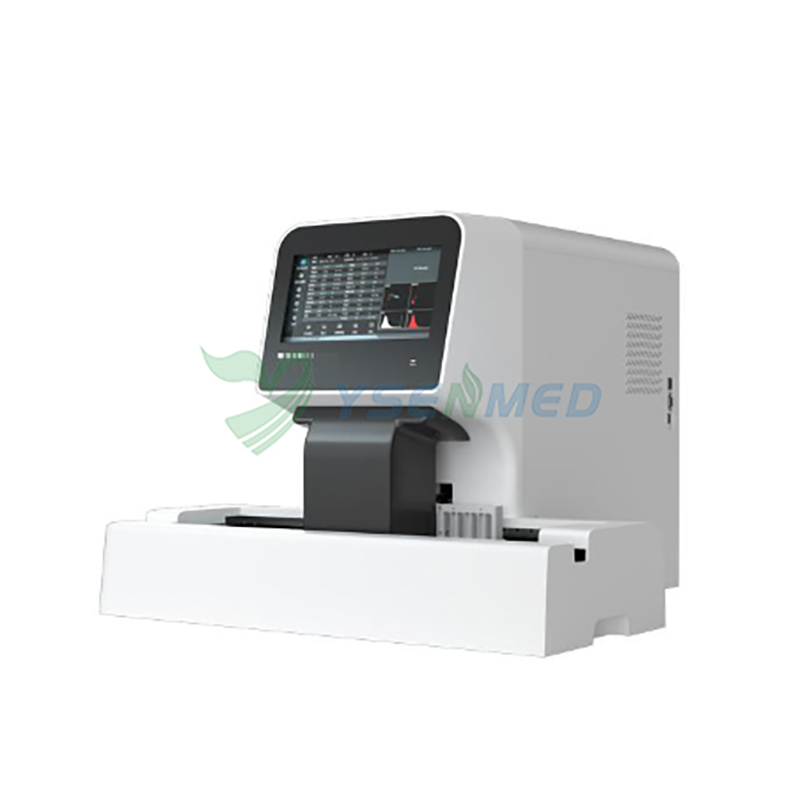
A CBC machine (Complete Blood Count machine) plays a vital role in diagnosing anemia and other blood disorders by providing detailed information about the various components of the blood. Whether it's for routine check-ups or emergency diagnostics, CBC analyzers help healthcare professionals assess overall health and identify underlying conditions. In this article, we will explore the common problems encountered with CBC machines in healthcare settings and offer practical tips on how to avoid or resolve these issues.
What is a CBC Machine and How Does it Work?
A CBC machine is an advanced piece of blood analysis equipment used to perform a complete blood count. This test measures key components of the blood, including red blood cells (RBC), white blood cells (WBC), hemoglobin (Hb), hematocrit (Hct), and platelets (PLT). By analyzing these components, doctors can diagnose a variety of conditions, such as anemia, infection, blood cancers, and clotting disorders.
Key Components of a Complete Blood Count:
- Red Blood Cells (RBC): These cells carry oxygen throughout the body, and low levels may indicate anemia.
- White Blood Cells (WBC): These are part of the immune system, and abnormal levels could signal infection or an immune disorder.
- Hemoglobin (Hb): A protein in red blood cells that carries oxygen. Low hemoglobin can indicate anemia.
- Platelets (PLT): Essential for blood clotting. Low platelet counts can lead to bleeding disorders.
- Hematocrit (Hct): The percentage of blood that is made up of red blood cells.
Common Problems with CBC Machines in Healthcare
While CBC analyzers are critical for blood analysis, they are not without their challenges. Healthcare providers in hospitals and clinics may face several issues when using automated CBC testing equipment. Below are some of the most common problems and solutions to help optimize the use of CBC machine.
1. Inaccurate Results due to Sample Contamination
One of the most frequent problems encountered with CBC machine is inaccurate results caused by sample contamination. Contamination can occur during blood collection, handling, or the sample preparation process.
Causes:
- Incorrect sample collection: Using improper techniques or unclean equipment may introduce contaminants.
- Improper storage: Samples that are not stored at the correct temperature can degrade, leading to erroneous results.
Solution:
- Strict adherence to CBC testing procedures is essential to avoid contamination. Use proper collection techniques, and ensure that samples are stored and transported according to protocol.
- Regular calibration and maintenance of CBC hematology analyzers help ensure that the equipment operates accurately. Ensuring the machine is clean and free of any residue can improve result accuracy.
2. Failure to Properly Calibrate the CBC Machine
Automated CBC testing equipment requires regular calibration to maintain accuracy. Without proper calibration, the equipment may provide incorrect or inconsistent results, leading to misdiagnosis or delayed treatment.
Causes:
- Neglecting calibration routines: Machines that are not regularly calibrated may drift out of tolerance.
- Improper settings: Incorrect settings in the software may lead to erroneous results.
Solution:
- Ensure that the CBC analyzer machine is calibrated at regular intervals, as recommended by the manufacturer. Most machines have built-in calibration protocols, but routine manual checks should be conducted.
- Train staff on how to properly adjust settings to avoid mistakes and ensure results are reliable.
3. Difficulty Interpreting CBC Results
While CBC machines provide critical data, interpreting those results can sometimes be a challenge. This is particularly true when results fall outside the normal range, requiring further analysis.
Causes:
- Complex medical conditions: Blood disorders like anemia, leukemia, or thrombocytopenia may cause fluctuating levels in blood components, which can be difficult to interpret.
- Variability in patient conditions: Factors such as dehydration, infection, or medication use may affect the results.
Solution:
- Expert training: Ensure that clinicians are well-trained in interpreting CBC results and understanding when additional testing or follow-up is necessary.
- Use of advanced CBC machines for laboratories: These machines often come with built-in diagnostic software that helps interpret complex results and flags potential issues, reducing the chances of misinterpretation.
4. Clogged or Jammed CBC Machines
Mechanical problems, such as clogged systems or jams, can also occur with CBC hematology analyzers, particularly when the system is overused or not properly maintained.
Causes:
- Failure to clean the machine regularly: Residues from previous samples can accumulate, clogging the system.
- Overloading the system: In high-volume settings like hospitals, overuse of the CBC machine can lead to malfunctions.
Solution:
- Routine maintenance: Perform regular cleaning and preventive maintenance on automated CBC testing equipment to avoid blockages and mechanical failures.
- Limit machine usage: Schedule routine breaks for the machine to avoid overuse and extend its lifespan.
5. Inconsistent or Low-Quality Results
Inconsistent or low-quality results may occur, particularly in hospitals or clinics with older CBC machine. These machines may not be able to provide the same level of diagnostic precision as newer models, potentially leading to missed diagnoses.
Causes:
- Outdated equipment: Older CBC analyzers may not be equipped with the latest technology to provide high-quality results.
- Improper handling: Inexperienced personnel may inadvertently mishandle equipment, leading to poor-quality results.
Solution:
- Upgrade to advanced CBC machines for laboratories: Newer machines offer enhanced accuracy and consistency in results.
- Staff training: Ensure staff are properly trained to handle and operate CBC analyzers effectively to avoid errors in blood testing.
Benefits of Automated CBC Analyzers
Despite these potential challenges, the CBC machine offers several significant advantages, particularly when automated systems are used.
1. Speed and Efficiency
Automated CBC analyzers can process large volumes of samples quickly, making them ideal for busy hospitals and clinics. This reduces wait times for patients and accelerates the diagnostic process.
2. Accuracy and Precision
Automated systems are designed to minimize human error, ensuring that results are accurate and reliable. This is especially important when diagnosing conditions like anemia, where timely and precise results are crucial.
3. Cost-Effectiveness
While the initial cost of an automated CBC testing equipment may be higher, the long-term savings in terms of time, labor, and diagnostic accuracy can make it a cost-effective investment for healthcare providers.
4. Streamlined Workflow
Modern CBC machines often integrate seamlessly with laboratory information management systems (LIMS), allowing for easy tracking of patient data and test results. This streamlines workflow, improves patient care, and reduces administrative burden.
Top CBC Machine Brands
When investing in a CBC machine, it’s essential to choose a reputable brand known for quality and reliability. Below are some of the top CBC machine brands:
1. Sysmex
Sysmex offers a wide range of CBC analyzers known for their accuracy and speed. They are widely used in both hospital and clinic settings for routine blood testing.
2. Beckman Coulter
Beckman Coulter’s CBC machines are known for their precision and reliability. Their automated CBC testing equipment is often used in larger healthcare facilities and laboratories.
3. Abbott
Abbott offers advanced CBC machines that incorporate cutting-edge technology for comprehensive blood testing. Their analyzers are designed for high throughput and efficiency.
Conclusion
The CBC machine is an indispensable tool in diagnosing anemia and other blood disorders. By understanding common issues such as calibration errors, contamination, and poor interpretation of results, healthcare providers can take proactive steps to ensure the effective use of these machines. Regular maintenance, staff training, and the use of automated CBC analyzers can help improve the accuracy, efficiency, and reliability of CBC testing, ultimately leading to better patient outcomes.
With the right equipment, proper training, and adherence to protocols, healthcare providers can fully leverage the benefits of CBC machine to diagnose and manage blood disorders effectively.