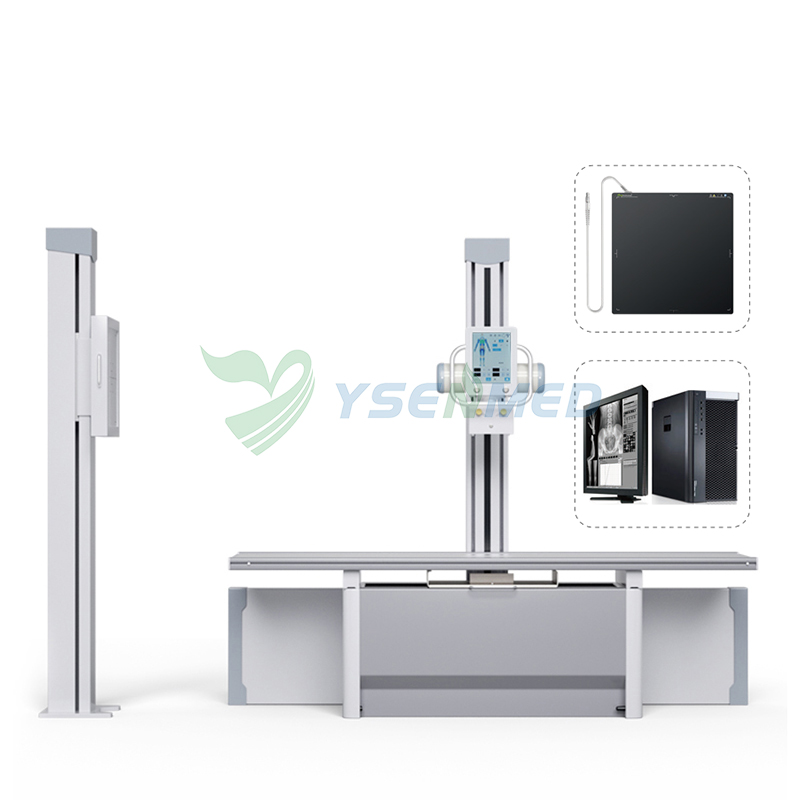
Magnetic Resonance Imaging
(MRI) scanners have revolutionized medical imaging and have become an essential tool for diagnosing and treating various medical conditions. MRI scanners use a powerful magnetic field, radio waves, and a computer to produce detailed images of the body's internal structures. While MRI scanners have many benefits, they also have some drawbacks. In this blog post, we will discuss the pros and cons of using MRI scanners for medical imaging.
Pros of Using MRI Scanners for Medical Imaging
1. Non-Invasive
One of the biggest advantages of MRI scanners is that they are non-invasive. Unlike other imaging techniques such as X-rays and CT scans, MRI scanners do not use ionizing radiation, which can be harmful to the body. Instead, MRI scanners use a strong magnetic field and radio waves to produce images, making them a safer option for patients.
2. High-Quality Images
MRI scanners produce high-quality images that are detailed and accurate. This makes them an excellent tool for diagnosing and monitoring various medical conditions, including cancer, neurological disorders, and musculoskeletal injuries.
3. Versatile
MRI scanners are versatile and can be used to image almost any part of the body. This makes them an essential tool in many medical specialties, including neurology, oncology, cardiology, and orthopedics.
4. No Radiation Exposure
As mentioned earlier, MRI scanners do not use ionizing radiation. This means that patients do not have to worry about exposure to harmful radiation during the imaging process.
Cons of Using MRI Scanners for Medical Imaging
1. Cost
MRI scanners are expensive to purchase and maintain. This means that not all medical facilities have access to them, and patients may have to travel to receive an MRI scan.
2. Time-Consuming
MRI scans can take a long time to complete. Depending on the type of scan, the process can take anywhere from 30 minutes to over an hour. This can be uncomfortable for patients who have to remain still for an extended period.
3. Claustrophobia
MRI scanners require patients to lie still inside a narrow tube during the imaging process. This can be difficult for patients who suffer from claustrophobia or anxiety.
4. Metal Implants
MRI scanners use powerful magnets, which can be dangerous for patients with metal implants such as pacemakers or cochlear implants. These patients may not be able to undergo an MRI scan or may require special precautions.
Conclusion
MRI scanners are a valuable tool in modern medicine, providing high-quality images without exposing patients to harmful radiation. However, they also have some drawbacks, including cost, time-consuming procedures, and potential risks for patients with metal implants. Despite these limitations, MRI scanners continue to play a critical role in diagnosing and treating various medical conditions. It is essential to weigh the pros and cons carefully when deciding whether an MRI scan is the right choice for a patient's specific needs.
Medical imaging plays a crucial role in diagnosing and monitoring various health conditions. Magnetic Resonance Imaging (MRI) scanners have become a widely used tool in the field of medical imaging. In this article, we will explore the pros and cons of using MRI scanners for medical imaging.
The Pros of Using MRI Scanners
Non-Invasive and Safe: MRI scans are non-invasive, meaning they do not require any surgical procedures or radiation exposure. This makes them a safe option for patients, especially those who cannot undergo other imaging techniques due to health concerns or pregnancy.
Detailed and Clear Images: MRI scanners provide highly detailed and clear images of the body's internal structures. This helps healthcare professionals in accurately diagnosing various conditions, including tumors, injuries, and abnormalities in organs and tissues.
Versatility: MRI scanners can be used to image different parts of the body, including the brain, spine, joints, abdomen, and more. They can capture images from multiple angles, allowing for a comprehensive evaluation of the area of interest.
Soft Tissue Differentiation: MRI scanners excel in differentiating between various soft tissues, such as muscles, ligaments, tendons, and organs. This makes them particularly useful in detecting abnormalities or diseases affecting these structures.
Functional Imaging: Functional MRI (fMRI) is a specialized technique that can assess brain activity by measuring blood flow changes. It helps in mapping brain functions and identifying regions associated with specific tasks or cognitive processes.
The Cons of Using MRI Scanners
Costly: MRI scanners are expensive to purchase, operate, and maintain. The initial investment, installation, and regular servicing can be significant financial burdens for healthcare facilities.
Time-Consuming: MRI scans can take longer compared to other imaging techniques, especially for complex studies. Patients may need to remain still inside the scanner for an extended period, which can be challenging for those with claustrophobia or mobility issues.
Contrast Agents: In some cases, contrast agents are used to enhance the visibility of certain structures or abnormalities during an MRI scan. Although generally safe, there is a small risk of allergic reactions or adverse effects associated with contrast agents.
Limited Accessibility: MRI scanners may not be readily available in all healthcare facilities, particularly in rural or remote areas. This can result in longer wait times or the need for patients to travel to larger medical centers for their scans.
Contraindications: Certain individuals with metal implants, pacemakers, or other metallic objects in their bodies may not be suitable candidates for MRI scans due to safety concerns. Alternative imaging methods may need to be considered in such cases.
In conclusion,
MRI scanners offer numerous advantages in terms of safety, detailed imaging, versatility, and soft tissue differentiation. However, they also come with drawbacks such as cost, time consumption, limited accessibility, and contraindications for certain individuals. Healthcare professionals must carefully weigh these pros and cons when determining the most appropriate imaging modality for each patient's specific needs.