The Economic Advantages of Investing in C-arm X-ray Systems with Flat Panel Detectors
Introduction
In the ever-evolving landscape of medical imaging,
C-arm X-ray systems with flat panel detectors have emerged as a significant innovation. These advanced imaging solutions offer numerous benefits, not only in terms of diagnostic accuracy but also regarding economic advantages for healthcare facilities. This article will delve into the financial implications of investing in these systems, highlighting their cost-effectiveness, operational efficiency, and long-term savings.
Understanding C-arm X-ray Systems
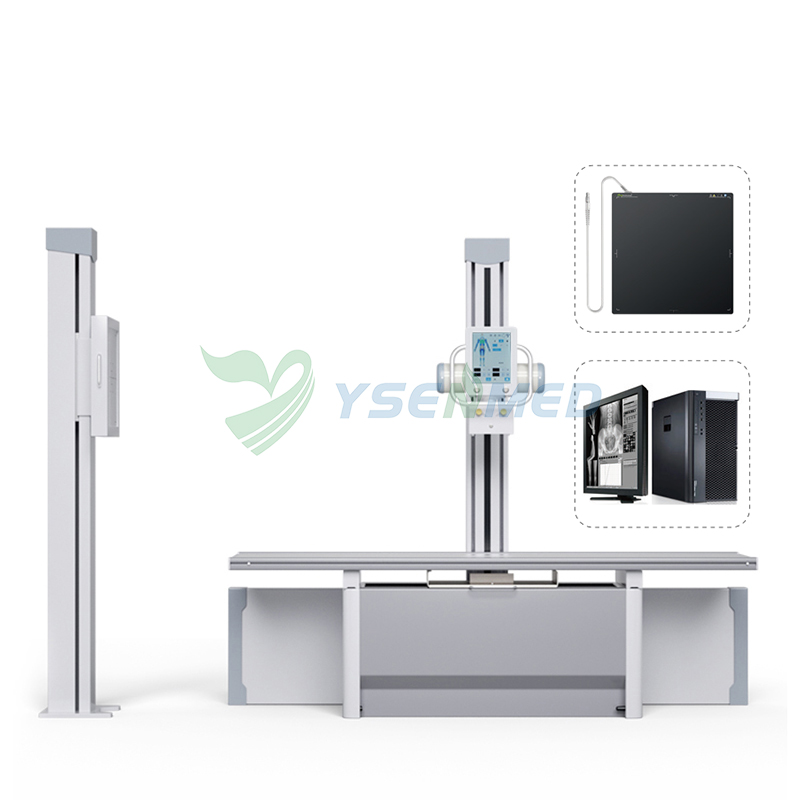
C-arm X-ray systems are mobile imaging devices used extensively in various medical fields, including orthopedics, surgery, and cardiology. Unlike traditional X-ray machines, C-arms provide real-time imaging, allowing for dynamic assessments during procedures. The integration of flat panel detector technology has further enhanced their capabilities, improving image quality while reducing radiation exposure.
What are Flat Panel Detectors?
Flat panel detectors (FPDs) are digital X-ray detectors that convert X-rays into electronic signals. They provide higher resolution images and faster processing times than traditional image capture methods. FPDs offer several advantages, including:
Improved Image Quality: Higher spatial resolution leads to clearer images.
Reduced Radiation Dose: Patients receive lower doses of radiation, enhancing safety.
Instant Image Availability: Images are processed and available for review almost instantly, streamlining workflows.
Cost-Effectiveness of C-arm X-ray Systems
Initial Investment vs. Long-Term Savings
Investing in C-arm X-ray systems equipped with flat panel detectors may require a significant upfront expenditure. However, the long-term savings can justify the investment:
Lower Maintenance Costs: FPDs are generally more durable and require less maintenance compared to traditional image receptors, reducing service costs.
Decreased Film Costs: Transitioning to digital systems eliminates the need for film and chemical processing, leading to substantial savings over time.
Reduced Operating Costs: The efficiency of digital imaging minimizes downtime, allowing for more procedures to be performed in a given time frame.
Enhanced Workflow Efficiency
The integration of C-arm systems with flat panel detectors streamlines workflows, contributing to overall cost savings:
Faster Turnaround Times: The instant availability of images allows for quicker decision-making, reducing overall procedure times.
Improved Staff Productivity: Radiologists and technicians can focus on more critical tasks instead of manual film processing, maximizing their efficiency.
Increased Revenue Generation
With enhanced imaging capabilities and workflow efficiencies, healthcare facilities can increase their revenue:
Higher Patient Throughput: The ability to perform more procedures in less time directly impacts revenue generation.
Expanded Service Offerings: Facilities can expand their service lines, attracting more patients and increasing overall income.
Quality and Accuracy in Diagnosis
Investing in C-arm X-ray systems with flat panel detectors also enhances the quality of care provided, which can indirectly impact the economic standing of a healthcare facility:
Improved Diagnostic Accuracy: Higher image quality leads to better diagnoses, which can reduce the need for repeat imaging or corrective procedures.
Enhanced Patient Outcomes: Improved outcomes can result in higher patient satisfaction rates, leading to increased referrals and repeat business.
Case Studies: Economic Impact in Action
Example 1: Orthopedic Surgery Center
An orthopedic surgery center invested in a C-arm X-ray system with a flat panel detector. Within the first year, they reported:
A 20% increase in patient throughput due to faster imaging and reduced waiting times.
A 15% reduction in overall imaging costs due to lower film and processing fees.
Example 2: Community Hospital
A community hospital upgraded its imaging department with modern C-arm systems. The results included:
A significant decrease in radiation exposure for patients, leading to enhanced safety and reduced liability.
A boost in service offerings, such as fluoroscopy, resulting in a 25% increase in imaging revenue.
Considerations for Healthcare Facilities
While the benefits of investing in C-arm X-ray systems with flat panel detectors are clear, healthcare facilities should consider several factors:
Budget Constraints: Facilities must assess their budget and financing options to make informed purchasing decisions.
Training Needs: Staff may require training to fully utilize the advanced features of new systems, which should be factored into the overall cost.
Long-Term Needs: Institutions should consider their long-term imaging needs and how a C-arm system fits into their overall strategic plan.
Conclusion
Investing in C-arm X-ray systems with flat panel detectors presents significant economic advantages for healthcare facilities. From enhanced workflow efficiencies to improved patient outcomes and increased revenue generation, the benefits extend far beyond initial costs. As the healthcare landscape continues to evolve, these advanced imaging solutions will play a crucial role in delivering high-quality care while maintaining financial sustainability.
Call to Action
Healthcare decision-makers should evaluate their current imaging capabilities and consider the long-term benefits of upgrading to C-arm X-ray systems with flat panel detectors. By investing in this technology, they can enhance patient care and secure their facility's financial future.
Future Trends in C-arm Technology
As technology continues to advance, C-arm X-ray systems are likely to undergo significant transformations. Understanding these trends can help healthcare facilities stay ahead and maximize their investments.
1. Integration with AI and Machine Learning
Artificial intelligence (AI) and machine learning are expected to play increasingly significant roles in C-arm imaging. By integrating AI algorithms, these systems can assist radiologists in:
Image Analysis: Automated detection of abnormalities, improving diagnostic accuracy and reducing human error.
Workflow Optimization: AI can analyze workflows and suggest improvements, further enhancing efficiency and productivity.
2. Enhanced Mobility and Portability
With the rise of outpatient procedures and telehealth, the demand for portable imaging solutions is growing. Future C-arm systems may feature:
Lightweight Designs: Making them easier to transport between different areas of a healthcare facility.
Battery Operability: Allowing for use in remote locations or during emergency situations without reliance on electrical outlets.
3. Advancements in Image Quality
Ongoing improvements in imaging technology promise to enhance the clarity and resolution of C-arm images. Future innovations may include:
Higher Detector Sensitivity: Allowing for clearer images at lower radiation doses.
Advanced Imaging Modalities: Incorporating technologies such as 3D imaging and digital subtraction angiography, providing even more detailed insights during procedures.
4. Greater Connectivity and Data Management
As healthcare becomes increasingly digital, C-arm systems will need to integrate seamlessly with electronic health records (EHR) and other digital platforms. Future advancements may offer:
Cloud-Based Storage: Facilitating easier access to images and patient data for healthcare providers.
Interoperability: Ensuring that C-arm systems can communicate with other medical devices and systems, enhancing overall workflow efficiency.
Economic Implications of Future Trends
The trends highlighted above will likely have significant economic implications for healthcare facilities:
Reduced Costs: Improvements in technology can lead to less need for repeat imaging and faster diagnostic processes, lowering operational costs.
Increased Revenue Opportunities: As capabilities expand, facilities can offer a wider range of services, attracting more patients and increasing revenue.
Long-Term Investments: Investing in future-proof technology will ensure that facilities remain competitive and capable of meeting evolving patient needs.
Conclusion
C-arm X-ray systems with flat panel detectors represent a valuable investment for healthcare facilities, offering a blend of improved patient outcomes, enhanced efficiency, and significant economic advantages. As technology continues to evolve, staying informed about advancements and integrating them into practice will be essential for maximizing both clinical and financial outcomes.
Call to Action
Healthcare leaders are encouraged to assess their current imaging capabilities and consider the long-term benefits of upgrading to advanced
C-arm X-ray systems with flat panel detectors. By doing so, they can not only enhance the quality of care they provide but also secure their facility's financial future in a competitive healthcare landscape. Embracing these technologies will ultimately lead to better patient outcomes and greater operational efficiency.