Infant Radiant Heaters: Benefits for Babies and Toddlers
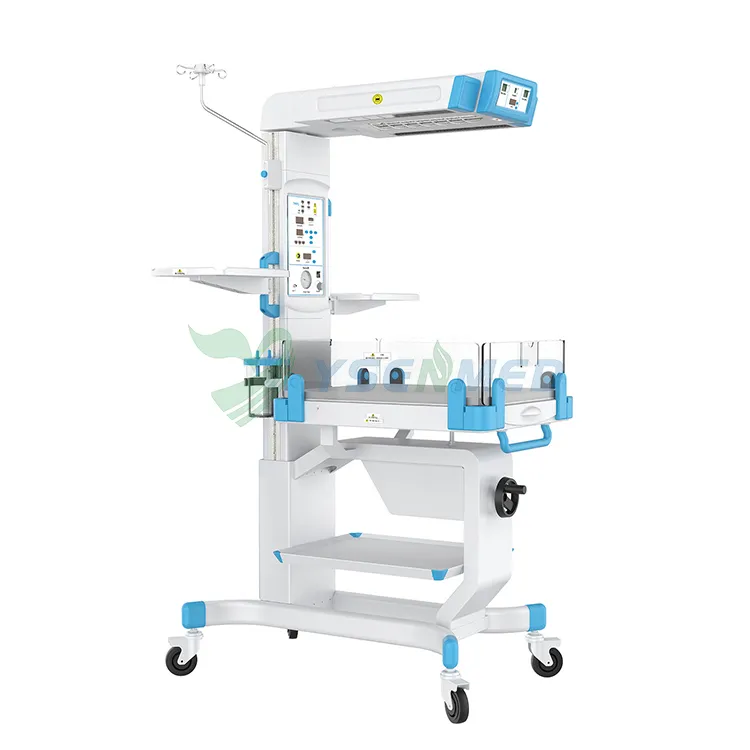
Safe heating for children is a priority for parents and caregivers, especially when it comes to babies and toddlers. Infant radiant heaters have gained popularity for their ability to keep little ones comfortable without the risks associated with traditional heating systems. These devices offer a gentle, consistent source of heat, ideal for infants' delicate skin. However, while efficient, infant radiant heaters also present challenges related to temperature control and safety. In this article, we'll explore the benefits of these devices, common problems that can arise, and how to ensure safe and effective use.
What Are Infant Radiant Heaters?
Infant radiant heaters are devices specifically designed to provide safe, gentle heat to babies and toddlers. Unlike traditional heaters, which generate heat by circulating warm air, radiant heaters use infrared radiation to warm objects and people in the room more directly. This makes them an attractive option for keeping babies warm without overheating the air in the room.
Some of the most common radiant heaters for children include portable, electric, and energy-efficient versions, making them versatile and suitable for various heating needs. Modern models of radiant heaters for children's rooms are designed with advanced temperature control technologies, ensuring a comfortable and safe environment for little ones.
Benefits of Radiant Heaters for Children
Using efficient radiant heaters for children has several key benefits for the well-being of babies and toddlers:
Even heat distribution: Unlike conventional heating systems, radiant heaters for children's rooms provide more balanced and direct heat without the circulation of dry air, which is ideal for infants' respiratory health.
Enhanced safety: Electric radiant heaters for babies are designed to reduce the risk of fire. Many models feature safety features such as automatic shut-off in the event of overheating or the device falling.
Energy Saving: Energy efficient radiant heaters are energy efficient, helping to reduce electricity bills without compromising comfort.
Constant Temperature: These devices provide a stable temperature, which is essential for the comfort of babies, who are less able to regulate their body temperature.
However, while these heaters offer an excellent solution for keeping young children comfortable, it is important to be aware of certain common problems that can arise.
Common Problems When Using Infant Radiant Heaters
1. Temperature Control
One of the most common problems with infant radiant heaters is temperature control. While these devices are designed to maintain a constant temperature, some models can be susceptible to fluctuations if not adjusted correctly. Overheating or incorrect temperature setting can be dangerous for babies, as their skin is extremely sensitive.
Solutions:
Regular Temperature Check: It is important to check the room temperature regularly with a room thermometer to ensure that the heater is working properly and not overheating.
Using Models with Precision Thermostats: Make sure to choose an electric radiant baby warmer that has an accurate thermostat and an automatic shut-off feature to avoid extreme temperature fluctuations.
Heater Location: Place the warmer at an appropriate distance from the baby's sleeping area, ensuring that it is not too close, which could cause excess heat.
2. Safety Risks
Despite the advantages of infant radiant warmers, safety risks are still a concern. As with any electrical device, there is the potential for malfunction or safety failure. Babies are especially vulnerable, so it is essential to ensure that the warmer does not pose a hazard.
Solutions:
Continuous Supervision: Never leave your baby or toddler alone near the radiant warmer. Always supervise the device to ensure that it is working properly.
Models with Safety Features: Look for radiant heaters for children that have safety features such as automatic shut-off, protection against overheating, and more.ction against overheating and a heat-resistant housing.
Correct Installation: Make sure to install the portable infant radiant warmer in a safe place, out of reach of small children, and away from flammable materials.
3. Maintenance and Cleaning of the Device
Infant radiant warmers must be kept in optimal condition to ensure their performance and safety. Over time, dust or dirt buildup on the heating elements can affect the heater's efficiency.
Solutions:
Regular Cleaning: Turn off and clean the device regularly according to the manufacturer's instructions. Avoid using harsh chemicals that can damage the device.
Component Inspection: Periodically check that the cables and electrical connections are in good condition. Replace defective parts immediately.
4. Heater Noise
Some efficient infant radiant warmers may generate a slight noise during operation, which can be bothersome to some babies, especially when they are asleep. Although these devices are generally quieter than other types of heating, the noise could disrupt a baby's sleep if the right model is not selected.
Solutions:
Quiet Models: Choose electric radiant baby heaters that are designed to be as quiet as possible. Some models are specially designed to minimize noise.
Strategic Placement: If noise is a problem, try to locate the heater in a part of the room farther away from the baby's sleeping area.
5. Energy Efficiency and Operating Costs
Although energy-efficient radiant heaters are generally more efficient than other heating systems, some models can consume more energy if not adjusted properly or used for long periods.
Solutions:
Adjusting Heat Settings: Use radiant baby heaters on low-energy settings when possible, and be sure to turn them off when not needed.
Using Timers: Many models of baby radiant heaters come with built-in timers that allow you to schedule automatic shut-off, which helps reduce energy consumption.
Additional Tips for Using Baby Radiant Heaters
1. Baby Radiant Heater Buying Guide
When choosing a baby radiant heater, it is essential to consider certain aspects, such as energy efficiency, safety features, and thermostat type. Read reviews of baby radiant heaters to get a clear idea of the reliability and performance of different models.
2. Monitoring Room Temperature
Keeping the temperature of the baby's room between 20°C and 22°C is ideal. Use a room thermometer to ensure that the environment is comfortable without becoming too warm.
Conclusion
Baby radiant heaters offer an excellent solution to keep babies and toddlers comfortable, especially in cold climates. By choosing the right electric baby radiant heater, many of the common problems related to safety and temperature control can be avoided. By following maintenance recommendations and making sure to use devices with advanced safety features, parents can enjoy a warm and safe environment for their children.
With the right approach, radiant heaters for children can become an essential tool for caring for little ones, ensuring their well-being and comfort during the colder seasons.