Introduction
A hospital X ray machine is one of the most essential diagnostic tools in modern healthcare. From emergency rooms and outpatient departments to intensive care units and radiology centers, X ray imaging plays a critical role in detecting fractures, lung diseases, infections, and a wide range of medical conditions. Choosing the right hospital X ray machine is therefore a strategic decision that directly affects diagnostic accuracy, patient safety, workflow efficiency, and long-term operational costs.
This buying guide is designed for medical facilities, hospital administrators, radiology managers, and procurement teams. It explains key factors to consider when selecting a hospital X ray machine, including machine types, clinical applications, technical specifications, certifications, installation requirements, and total cost of ownership. By understanding these elements, medical facilities can make informed purchasing decisions that support both clinical excellence and financial sustainability.
A hospital X ray machine is a medical imaging device that uses controlled radiation to produce images of the internal structures of the human body. These images help clinicians diagnose injuries, diseases, and abnormalities quickly and accurately. Compared with clinic-level or portable devices, hospital X ray machines are typically designed for higher patient volumes, broader clinical applications, and stricter safety and compliance standards.
Modern hospital X ray machines increasingly rely on digital radiography (DR) technology, which offers faster image acquisition, improved image quality, and lower radiation doses compared with traditional analog systems. Digital systems also integrate seamlessly with hospital information systems, making them a preferred choice for most medical facilities today.
Types of Hospital X Ray Machines
Understanding the different types of hospital X ray machines is the first step in choosing the right solution.
Fixed X Ray Machines
Fixed hospital X ray machines are permanently installed in dedicated radiology rooms. They are ideal for high-volume imaging and provide stable positioning, consistent image quality, and advanced imaging capabilities. These systems are commonly used for chest, skeletal, abdominal, and general diagnostic imaging.
Mobile X Ray Machines
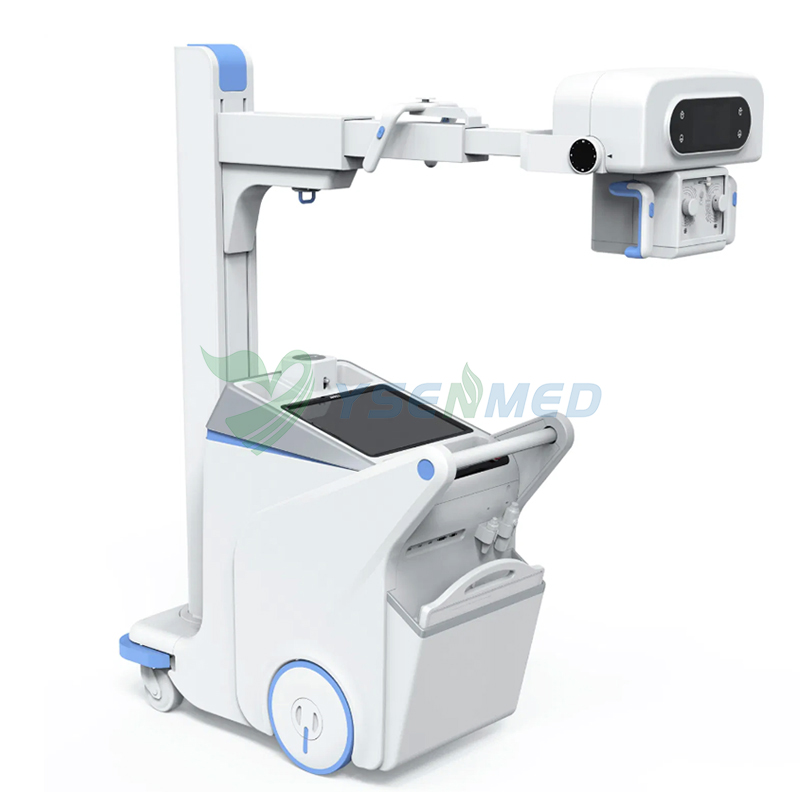
Mobile hospital X ray machines are designed to be moved between departments or patient rooms. They are widely used in emergency departments, ICUs, and wards where transporting patients is difficult or risky. Mobile systems improve workflow efficiency and patient comfort while maintaining diagnostic accuracy.
Digital Radiography (DR) Systems
Digital hospital X ray machines use flat-panel detectors to capture images electronically. DR systems offer immediate image display, easy storage, and integration with PACS and RIS systems. They are now considered the standard for modern hospitals due to their efficiency and reduced radiation exposure.
Portable X Ray Machines
Portable X ray machines are compact and lightweight, suitable for temporary imaging needs or smaller medical facilities. While not as powerful as fixed systems, they are useful for bedside imaging and emergency scenarios.
Key Clinical Applications
Hospital X ray machines support a wide range of diagnostic applications, including:
-
Chest and pulmonary imaging
-
Orthopedic and trauma diagnosis
-
Abdominal examinations
-
Pediatric imaging
-
Emergency and bedside imaging
When selecting a hospital X ray machine, medical facilities should prioritize systems that align with their primary clinical needs and patient demographics.
Technical Specifications to Consider
Choosing a hospital X ray machine requires careful evaluation of technical specifications.
Image Quality
High-resolution imaging is essential for accurate diagnosis. Look for systems with advanced detectors, high dynamic range, and image processing software that enhances diagnostic clarity.
Radiation Dose Control
Patient safety is a top priority. Modern hospital X ray machines should include dose optimization technologies that minimize radiation exposure while maintaining image quality.
System Flexibility
Adjustable positioning, motorized movements, and compatibility with different detectors improve usability and workflow efficiency in busy hospital environments.
Integration Capabilities
A hospital X ray machine should integrate seamlessly with PACS, RIS, and hospital information systems. This ensures efficient image storage, retrieval, and sharing across departments.
Certifications and Compliance
Compliance with international medical standards is critical when purchasing a hospital X ray machine. Look for systems that meet recognized certifications such as ISO and CE. These certifications indicate that the equipment complies with quality management systems, safety requirements, and regulatory standards.
Hospitals operating in specific regions may also need to ensure compliance with local regulatory requirements. Choosing a certified hospital X ray machine reduces regulatory risks and enhances long-term reliability.
Installation and Infrastructure Requirements
Before purchasing a hospital X ray machine, medical facilities should assess their infrastructure readiness.
Room Shielding and Space
Fixed X ray systems require proper radiation shielding and adequate room dimensions. Consulting with suppliers during the planning stage helps avoid costly modifications later.
Power Supply
Hospital X ray machines often require stable and sufficient power supply. Ensure that electrical infrastructure meets the system’s specifications.
Workflow Design
Efficient room layout and patient flow design improve productivity and reduce examination times. Suppliers with installation experience can provide valuable guidance.
Total Cost of Ownership
The purchase price of a hospital X ray machine is only part of the overall investment. Medical facilities should consider total cost of ownership, including:
Evaluating long-term costs helps hospitals choose a solution that delivers value over its entire lifecycle.
Importance of Supplier Support
A reliable supplier plays a crucial role in the successful deployment of a hospital X ray machine. Key support services include:
-
Professional installation and commissioning
-
Comprehensive training for medical staff
-
Responsive technical support
-
Availability of spare parts
Partnering with an experienced supplier ensures smooth operation and minimizes downtime.
To choose the right hospital X ray machine, medical facilities should:
-
Define clinical needs and patient volume
-
Compare different machine types and technologies
-
Evaluate certifications and compliance
-
Assess installation requirements
-
Analyze total cost of ownership
-
Select a trusted supplier with strong after-sales support
This structured approach helps hospitals make confident, future-proof decisions.
Conclusion
A hospital X ray machine is a long-term investment that directly impacts diagnostic quality, patient safety, and operational efficiency. By understanding machine types, technical features, compliance requirements, and cost considerations, medical facilities can select the most suitable imaging solution for their needs.
A well-chosen hospital X ray machine not only supports accurate diagnosis but also enhances workflow efficiency and delivers lasting value. With careful planning and the right supplier partnership, medical facilities can ensure reliable imaging performance for years to come.