Driving Innovation in Medical Imaging through the Continued Advancements in Flat Panels
Introduction
Medical imaging is an essential component of modern healthcare, enabling precise diagnosis and effective treatment planning. One of the most significant advancements in this field has been the development of
Flat Panel Detectors (FPDs). These detectors have revolutionized imaging by offering superior image quality, enhanced efficiency, and increased cost-effectiveness. This article explores how the continued advancements in flat panel detector technology are driving innovation in medical imaging, highlighting key benefits, applications, and future trends.
The Evolution of Flat Panel Detectors
Early Beginnings
Flat Panel Detectors were first introduced in the late 1990s, marking a significant departure from traditional film-based radiography and early digital imaging technologies. Initial FPDs offered improvements in image quality and workflow efficiency, setting the stage for further innovations.
Technological Advancements
Over the past two decades, FPD technology has undergone substantial advancements. These improvements have focused on enhancing image resolution, reducing radiation exposure, and increasing the versatility of imaging applications. Key milestones include:
Enhanced Spatial Resolution: Advances in pixel technology have significantly improved the spatial resolution of FPDs, allowing for more detailed and precise imaging.
Improved Detector Sensitivity: Modern FPDs are more sensitive to x-rays, enabling high-quality imaging at lower radiation doses.
Faster Processing Speeds: Innovations in digital processing technology have reduced the time required for image acquisition and rendering, enhancing workflow efficiency.
Expanded Imaging Modalities: FPDs are now used in a wide range of imaging modalities, including radiography, fluoroscopy, and computed tomography (CT).
Introduction of the 1717V Flat Panel Detector
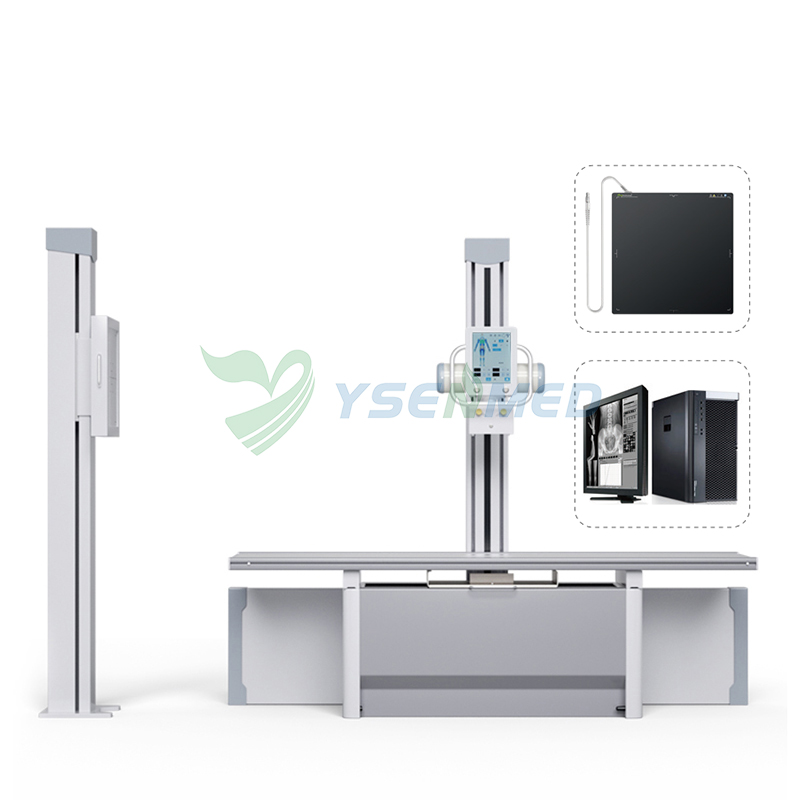
The 1717V flat panel detector is a prime example of the latest advancements in FPD technology. Featuring a large imaging area, high spatial resolution, and rapid image acquisition, the 1717V is designed to meet the diverse needs of modern medical imaging. Its robust design and user-friendly interface make it a valuable tool for enhancing diagnostic accuracy and operational efficiency.
Benefits of Flat Panel Detector Technology
Superior Image Quality
One of the most significant advantages of flat panel detectors is their ability to produce high-quality images. The 1717V, for example, offers exceptional spatial resolution, enabling clinicians to visualize fine anatomical details and detect subtle abnormalities. This superior image quality is crucial for accurate diagnosis and effective treatment planning in various medical fields, including:
Orthopedics: Detailed imaging of bones and joints aids in diagnosing fractures, dislocations, and degenerative conditions.
Cardiology: High-resolution images of the heart and vascular structures are essential for diagnosing and managing cardiovascular diseases.
Oncology: Clear visualization of tumors and surrounding tissues supports precise tumor staging and monitoring of treatment response.
Enhanced Efficiency
Flat panel detectors streamline the imaging workflow by eliminating the need for film processing and enabling rapid image acquisition and review. This enhanced efficiency translates into:
Reduced Patient Waiting Time: Faster imaging processes mean that patients spend less time in the imaging department, improving overall patient satisfaction.
Increased Throughput: The ability to quickly capture and process images allows medical facilities to handle a higher volume of patients, optimizing resource utilization.
Minimized Errors: Digital imaging reduces the risk of errors associated with film handling and processing, ensuring more reliable diagnostic outcomes.
Reduced Radiation Exposure
Minimizing radiation exposure is a critical consideration in medical imaging. Flat panel detectors, including the 1717V, are designed to be highly sensitive to x-rays, allowing for high-quality imaging at lower radiation doses. This reduction in radiation exposure is particularly beneficial for:
Pediatric Imaging: Children are more sensitive to radiation, making dose reduction a priority.
Frequent Imaging: Patients who require regular imaging, such as those with chronic conditions, benefit from lower cumulative radiation doses.
Sensitive Areas: Imaging of sensitive body areas, such as the thyroid and gonads, requires careful management of radiation exposure.
Cost-Effectiveness
Implementing flat panel detector technology can lead to significant cost savings for medical facilities. The initial investment in FPDs is offset by various long-term benefits, including:
Lower Operational Costs: Digital imaging eliminates the need for film, chemicals, and processing equipment, reducing ongoing operational expenses.
Decreased Storage Requirements: Digital images can be stored electronically, freeing up physical space that would otherwise be needed for film storage.
Reduced Repeat Imaging: The high image quality and accuracy of FPDs minimize the need for repeat imaging, reducing costs associated with additional tests.
Enhanced Equipment Lifespan: The durability and reliability of FPDs ensure a long service life, maximizing the return on investment.
Applications of Flat Panel Detectors in Medical Imaging
Diagnostic Radiology
Flat panel detectors are widely used in diagnostic radiology, where they provide clear, detailed images for a variety of applications:
Chest Radiography: High-resolution images of the chest are essential for diagnosing lung diseases, heart conditions, and other thoracic abnormalities.
Abdominal Imaging: The large imaging area and high resolution of detectors like the 1717V make them ideal for visualizing abdominal organs and detecting conditions such as tumors, cysts, and infections.
Musculoskeletal Imaging: FPDs are particularly useful in orthopedic settings, providing detailed images of bones, joints, and soft tissues.
Interventional Radiology
In interventional radiology, flat panel detectors play a crucial role in guiding minimally invasive procedures. Their fast image acquisition and high resolution facilitate real-time visualization, enhancing the precision and safety of interventions such as:
Angioplasty: Clear images of blood vessels help interventional radiologists perform angioplasty with greater accuracy.
Biopsies: Real-time imaging aids in guiding needles to precise locations for tissue sampling.
Embolization: Detailed visualization supports the accurate delivery of embolic agents to target areas, such as tumors or abnormal blood vessels.
Surgical Imaging
During surgical procedures, flat panel detectors provide critical imaging support, allowing surgeons to:
Monitor Surgical Progress: Real-time images enable surgeons to monitor the progress of surgery and make necessary adjustments.
Verify Implant Placement: FPDs help ensure the correct placement of implants, such as artificial joints or spinal hardware.
Detect Complications: High-resolution images aid in the early detection of potential complications, such as bleeding or tissue damage.
Veterinary Medicine
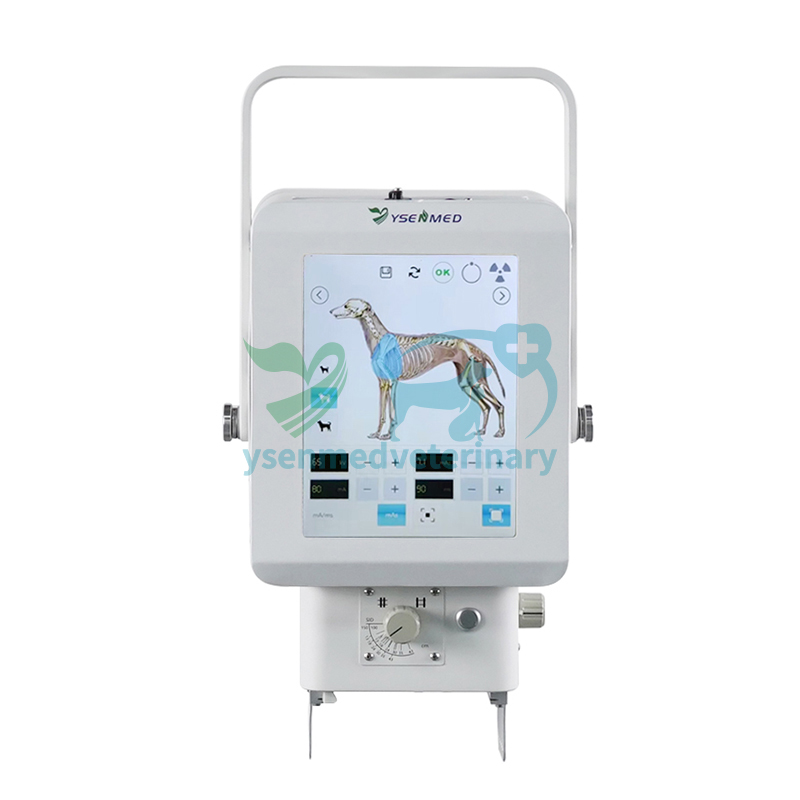
The benefits of flat panel detectors extend to veterinary medicine, where they are used for imaging a wide range of animals. Veterinary applications include:
Equine Imaging: High-resolution images are essential for diagnosing conditions in horses, such as fractures, joint issues, and soft tissue injuries.
Small Animal Imaging: FPDs provide detailed images of small animals, aiding in the diagnosis of various conditions and guiding treatment decisions.
Wildlife and Exotic Animal Imaging: FPDs are also used in zoos and wildlife rehabilitation centers, providing valuable imaging support for the care of exotic and endangered species.
Future Trends in Flat Panel Detector Technology
Integration with Artificial Intelligence (AI)
The integration of artificial intelligence (AI) with flat panel detector technology represents a significant future trend. AI algorithms can analyze imaging data, providing automated diagnostic suggestions and identifying subtle abnormalities that may be missed by human observers. This integration has the potential to:
Enhance Diagnostic Accuracy: AI can assist radiologists in making more accurate diagnoses by highlighting areas of concern and suggesting possible conditions.
Improve Workflow Efficiency: Automated image analysis can reduce the workload for radiologists, allowing them to focus on complex cases and patient care.
Enable Predictive Analytics: AI can analyze large datasets to identify patterns and predict patient outcomes, supporting personalized treatment plans.
Advanced Imaging Techniques
Ongoing research and development in flat panel detector technology are leading to the creation of advanced imaging techniques, such as:
Dual-Energy Imaging: This technique uses two different x-ray energy levels to capture images, providing additional information about tissue composition and enhancing the detection of certain conditions.
Tomosynthesis: Also known as 3D mammography, tomosynthesis creates three-dimensional images of the breast, improving the detection and characterization of breast lesions.
Spectral Imaging: Spectral imaging captures images at multiple wavelengths, providing detailed information about tissue properties and aiding in the diagnosis of complex conditions.
Enhanced Connectivity and Data Management
Future flat panel detectors are likely to feature enhanced connectivity and data management capabilities, including:
Cloud-Based Storage: Digital images can be stored in the cloud, providing secure and scalable storage solutions and enabling easy access and sharing of imaging data.
Remote Monitoring and Support: Advanced connectivity allows for remote monitoring of imaging equipment, enabling proactive maintenance and support.
Integration with Electronic Health Records (EHR): Seamless integration with EHR systems ensures that imaging data is readily available to healthcare providers, supporting comprehensive patient care.
Portable and Mobile Solutions
Advancements in technology are driving the development of portable and mobile
flat panel detectors. These devices offer the flexibility to perform high-quality imaging in various settings, including:
Emergency Departments: Portable FPDs can be used at the bedside, enabling rapid imaging of critically ill or injured patients without the need to transport them to the radiology department.
Rural and Remote Areas: Mobile FPDs can bring advanced imaging capabilities to underserved areas, improving access to diagnostic services.
Military and Disaster Response: Portable detectors are valuable tools for providing medical imaging in field hospitals and during disaster response efforts.