Dental professionals and clinic owners seek advanced tools to improve diagnostics and patient care. Dental x ray machine types explained reveals the distinct capabilities of various systems and helps practices select equipment that matches their clinical needs. Moreover, understanding these options allows buyers to enhance workflow efficiency while maintaining safety standards.
Ysenmed offers reliable dental imaging solutions that support diverse practice requirements. Their range includes modern systems designed for accuracy and ease of use in busy clinical environments. Furthermore, Ysenmed focuses on durable construction and user-friendly features that benefit dentists and technicians alike.
The Role of Dental Imaging in Modern Practice
Clinics today rely heavily on precise imaging for accurate diagnoses and treatment planning. Therefore, selecting appropriate dental X ray machine types becomes a strategic decision that impacts daily operations. Additionally, modern digital systems reduce radiation exposure compared to traditional film while delivering instant results.
Practices benefit when they align equipment choices with patient volume and specialty services. For instance, general clinics may prioritize versatile options, whereas specialized centers invest in advanced 3D capabilities.
Dental X Ray Machine Types Explained: Core Categories
Dental x ray machine types explained starts with the primary division between intraoral and extraoral systems. Intraoral sensors or films capture detailed views inside the mouth. On the other hand, extraoral machines provide broader perspectives from outside the oral cavity. Furthermore, this classification guides procurement teams toward solutions that best fit specific diagnostic goals.
Intraoral X ray systems deliver high-resolution images of individual teeth and surrounding structures. Moreover, they excel at detecting caries, root issues, and bone loss. Consequently, these systems remain foundational in routine examinations.
Types of Dental X Ray Machines Explained: Intraoral Variations
Types of dental X ray machines explained highlight several intraoral subtypes. Bitewing X-rays focus on interproximal areas to reveal hidden decay. Furthermore, periapical images show the entire tooth from crown to root, which aids in identifying abscesses or fractures. Additionally, occlusal projections capture larger areas of the upper or lower jaw.
Digital intraoral sensors improve comfort and speed. Moreover, they integrate seamlessly with practice management software for quick image sharing and storage.
Dental Radiography Machine Types: Extraoral Solutions
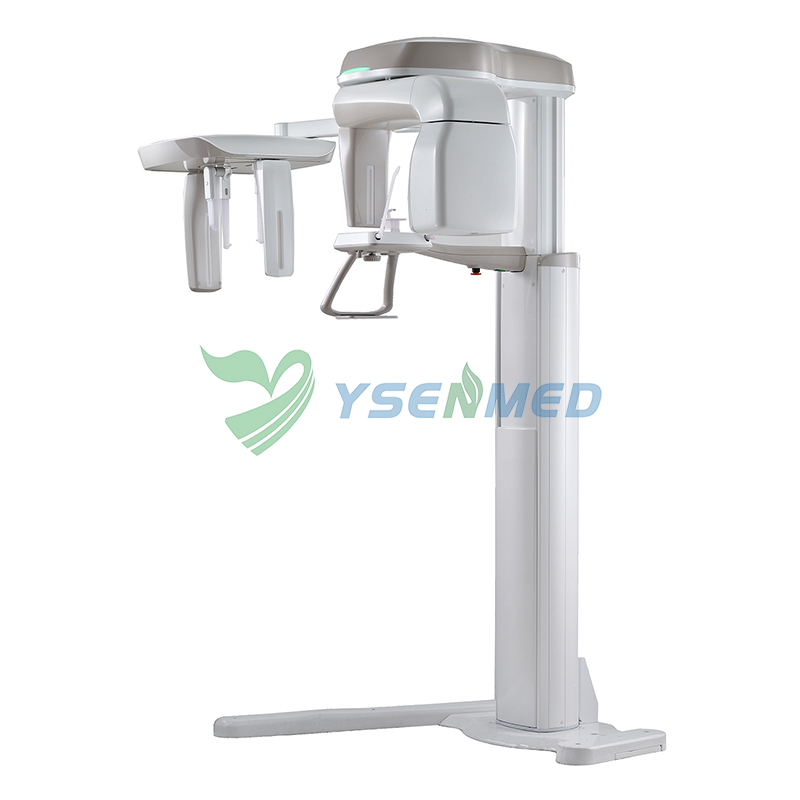
Dental radiography machine types extend to extraoral configurations that capture comprehensive views. Panoramic dental X ray machine units rotate around the patient’s head to produce a single image of the entire dentition, jaws, and surrounding anatomy. Therefore, these systems prove invaluable for orthodontic planning, wisdom tooth assessment, and overall oral health surveys.
Dental imaging system types also include cephalometric attachments that provide lateral skull views. Moreover, these help orthodontists analyze facial structures and plan treatments effectively.
CBCT Dental Imaging Systems: Advanced 3D Capabilities
CBCT dental imaging systems represent a significant advancement in dental diagnostics. These cone beam computed tomography units generate detailed three-dimensional images of teeth, bone, nerves, and sinuses. Furthermore, specialists use CBCT for implant placement, complex endodontics, and TMJ evaluations where 2D images fall short.
Dental imaging equipment in this category minimizes radiation compared to medical CT while delivering superior volumetric data. Consequently, practices that adopt CBCT expand their service offerings and improve treatment precision.
Dental X Ray Equipment Types: Portable and Wall-Mounted Options
Dental X ray equipment types vary by installation style. Portable handheld units offer flexibility for mobile clinics or pediatric patients who struggle with traditional setups. Moreover, wall-mounted intraoral systems save space and provide consistent positioning in fixed operatories.
Dental radiography equipment suppliers like Ysenmed provide both options with ergonomic designs that reduce operator fatigue and enhance patient comfort.
How to Choose the Right Dental X Ray Machine Type for Clinics
How to choose the right dental x ray machine type for clinics depends on several practical factors. First, assess daily patient volume and common procedures. Furthermore, general practices often start with intraoral and panoramic combinations, while surgical centers prioritize CBCT. Additionally, consider space availability and integration with existing digital workflows.
Differences between dental x ray machine types explained clarify that intraoral systems offer high detail for localized issues, whereas panoramic units provide overview efficiency. On the other hand, CBCT delivers unmatched 3D depth for complex cases.
Best Dental X Ray Machine Types for Dental Clinics and Hospitals
Best dental x ray machine types for dental clinics and hospitals balance versatility, image quality, and radiation safety. Hybrid systems that combine panoramic and CBCT functions deliver excellent value for growing practices. Moreover, these multimodal platforms reduce the need for multiple machines and streamline operations.
Ysenmed supports clinics with reliable dental imaging equipment that meets international standards. Their solutions emphasize ease of maintenance and intuitive operation that helps staff maximize productivity.
Intraoral vs Panoramic Dental X Ray Machine Types Explained
Intraoral vs panoramic dental x ray machine types explained shows clear distinctions in application. Intraoral sensors produce sharp, localized images ideal for caries detection and endodontic work. Furthermore, panoramic systems excel at screening for impacted teeth, cysts, and jaw abnormalities in one quick scan.
Clinics frequently combine both for comprehensive care. Additionally, digital advancements make switching between modalities seamless and efficient.
Dental Radiography Equipment Suppliers and Procurement Considerations
Dental radiography equipment suppliers play a vital role in successful implementation. Moreover, reputable providers offer training, warranty support, and software updates that protect long-term investments. Therefore, buyers evaluate service networks alongside technical specifications.
Dental X ray equipment types from established manufacturers incorporate safety features such as dose optimization and collimation that align with ALARA principles.
Key Technical Features Across Dental Imaging System Types
Modern dental imaging system types share important advancements. High-resolution sensors capture fine details with minimal noise. Furthermore, AI-enhanced software automatically improves contrast and highlights potential pathologies. Consequently, radiologists and dentists achieve faster, more confident interpretations.
Ergonomic designs reduce strain during repetitive use. Additionally, wireless connectivity eliminates cable management issues and supports infection control protocols.
Radiation Safety and Regulatory Compliance
All dental X ray machine types must prioritize patient and staff safety. Moreover, facilities implement shielding, positioning aids, and exposure protocols to minimize doses. Furthermore, digital systems inherently require less radiation than film counterparts while producing superior images.
Procurement teams verify compliance with local regulations and international certifications when evaluating suppliers.
Maintenance and Workflow Integration
Effective dental radiography machine types integrate smoothly into digital practices. Moreover, cloud storage options enable remote consultations and secure archiving. Additionally, regular calibration and preventive maintenance ensure consistent performance over years of service.
Dental radiography equipment suppliers that provide responsive technical support minimize downtime and extend equipment lifespan.
Comparison of Dental X-Ray Machine Types
The following table summarizes key differences to support informed decision-making:
| Machine Type |
Primary Use |
Image Dimension |
Key Advantages |
Ideal For |
| Intraoral Sensors |
Individual teeth and roots |
2D |
High detail, low radiation |
Routine exams, caries detection |
| Panoramic Dental X-ray |
Full mouth overview |
2D |
Quick scan, broad anatomy view |
Orthodontics, wisdom teeth, screening |
| CBCT Dental Imaging |
3D volumetric analysis |
3D |
Detailed bone and nerve visualization |
Implants, surgery, complex diagnostics |
| Cephalometric |
Lateral skull and facial structures |
2D |
Orthodontic planning |
Braces and growth assessment |
| Portable Handheld |
Flexible positioning |
2D |
Mobility, patient comfort |
Pediatrics, mobile clinics |
This overview helps clinics match equipment to their specific operational context. Furthermore, many practices build hybrid setups for maximum flexibility.
Emerging Trends in Dental Imaging Equipment
The field advances rapidly toward greater intelligence and connectivity. Moreover, AI integration assists with automated measurements and anomaly detection. Additionally, lower-dose protocols and smaller footprints make advanced CBCT dental imaging systems accessible to more practices.
Sustainability features, such as energy-efficient components, gain importance as clinics pursue environmentally responsible operations.
Practical Steps for Selecting Dental X-Ray Systems
Begin with a needs assessment that involves the entire clinical team. Next, define priorities based on current and projected services. Furthermore, request demonstrations to evaluate image quality and usability in real conditions. Additionally, review support packages and training offerings carefully.
How to choose the right dental x ray machine type for clinics succeeds when buyers consider total cost of ownership, including maintenance and upgrades. Consequently, well-informed choices lead to enhanced diagnostic capabilities and practice growth.
Why Partner with Ysenmed for Dental Imaging Needs
Ysenmed delivers dependable dental imaging equipment backed by manufacturing expertise. Their portfolio addresses various dental X ray equipment types with focus on reliability and clinical utility. Moreover, the company supports buyers with technical guidance and responsive service that facilitates smooth implementation.
Practices appreciate Ysenmed’s commitment to quality and innovation that keeps solutions relevant in evolving healthcare environments.
Dental x ray machine types explained a complete guide equips dental professionals with knowledge to make strategic equipment decisions. Moreover, understanding distinctions between intraoral, panoramic, and CBCT systems enables practices to optimize diagnostics and patient experiences. Furthermore, collaboration with trusted suppliers like Ysenmed streamlines procurement and supports long-term success.
This comprehensive overview covers essential aspects from basic categories through advanced selection strategies. Clinics and hospitals that apply these insights strengthen their imaging capabilities while delivering superior care. Ultimately, the right dental X ray machine types investment drives practice excellence in a competitive landscape.