Comparing X-Ray Digital Machines with Traditional X-Ray Systems
Introduction
X-ray imaging has been a cornerstone of medical diagnostics for over a century. From identifying fractures to diagnosing complex conditions, X-rays provide essential insights into the human body. However, with technological advancements,
X-ray digital machines have emerged as a modern alternative to traditional X-ray systems. This article delves into the differences between X-ray digital machines and traditional X-ray systems, examining their advantages, disadvantages, and implications for healthcare providers and patients.
1. Understanding Traditional X-Ray Systems
a. Basic Components and Functionality
Traditional X-ray systems primarily consist of an X-ray tube, a film holder, and a darkroom for developing film. The process begins when the X-ray tube emits radiation, which passes through the body and onto the film placed on the opposite side. The X-rays that penetrate the body produce a negative image on the film, capturing the internal structures.
b. Limitations of Traditional X-Ray Systems
Film Development Time: One of the significant drawbacks of traditional systems is the time required for film development. After taking an X-ray, healthcare professionals must wait for the film to develop before viewing the images, which can delay diagnosis and treatment.
Image Quality: While traditional X-rays can provide adequate images, the quality may vary based on factors such as exposure time, film type, and processing conditions. Poor quality images can lead to misdiagnoses or the need for repeat X-rays.
Radiation Exposure: Traditional X-ray systems often require higher doses of radiation to produce clear images, which can pose risks to patients, particularly with multiple imaging sessions.
Storage and Handling: Physical film requires careful storage and handling to prevent damage and deterioration. This can lead to challenges in archiving and retrieving patient records.
2. The Rise of X-Ray Digital Machines
a. What Are X-Ray Digital Machines?
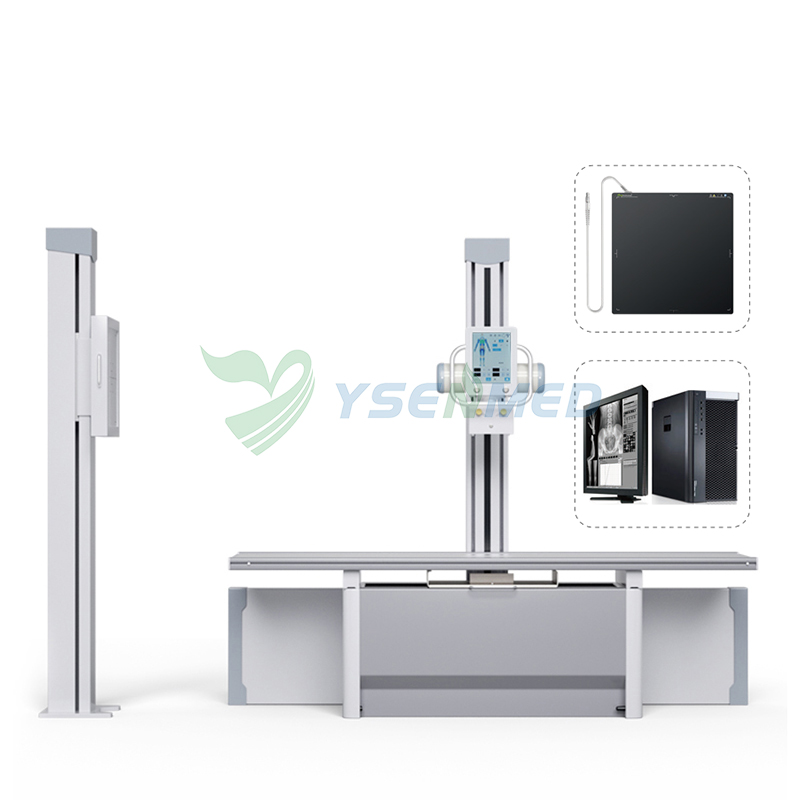
X-ray digital machines use digital sensors instead of film to capture images. These sensors convert X-ray energy into digital signals, which are then processed and displayed on a computer screen almost instantly. This technology has revolutionized the field of radiology, offering several advantages over traditional systems.
b. Key Features of X-Ray Digital Machines
Instant Image Availability: One of the most significant benefits of digital X-ray machines is the immediate availability of images. Healthcare providers can view, assess, and share images in real-time, speeding up diagnosis and treatment.
Enhanced Image Quality: Digital X-rays offer superior image quality with better contrast and detail. The images can be enhanced, manipulated, and adjusted to highlight specific areas, making it easier to identify abnormalities.
Reduced Radiation Exposure: Digital X-ray machines typically require lower doses of radiation to produce high-quality images, reducing the risk to patients. This is particularly beneficial for vulnerable populations, such as children and pregnant women.
Efficient Storage and Retrieval: Digital images can be stored electronically, making them easier to access, share, and archive. This reduces the physical space required for storage and simplifies the process of retrieving patient records.
Integration with Health Information Systems: Digital X-ray machines can seamlessly integrate with electronic health records (EHR) and radiology information systems (RIS), improving workflow and communication among healthcare teams.
3. Comparing Image Quality
a. Resolution and Clarity
One of the most critical factors in radiology is image quality. X-ray digital machines excel in providing high-resolution images with superior clarity compared to traditional systems. The ability to enhance digital images allows radiologists to detect subtle anomalies that may be missed in film-based images.
b. Post-Processing Capabilities
Digital X-ray images can be processed using various software tools to enhance features such as brightness, contrast, and edge detection. This capability is particularly useful in complex cases where the initial images may not provide a clear view of the area of interest.
4. Comparing Workflow and Efficiency
a. Time Efficiency
Traditional X-ray systems require multiple steps, including film exposure, development, and interpretation. This process can take considerable time, particularly in busy healthcare settings. In contrast, X-ray digital machines streamline workflow by providing instant access to images, allowing for quicker decision-making and patient care.
b. Cost Implications
While the initial investment in X-ray digital machines may be higher than that for traditional systems, the long-term cost benefits can be significant. Reduced film and development costs, lower radiation exposure, and improved efficiency can lead to substantial savings over time. Additionally, the integration with EHR and RIS can enhance billing and administrative processes.
5. Training and Adaptation
a. Staff Training
Transitioning from traditional X-ray systems to X-ray digital machines requires training for healthcare professionals. While the basic principles of radiology remain unchanged, staff must learn to operate digital equipment, interpret digital images, and utilize software for post-processing.
b. Overcoming Resistance to Change
Healthcare facilities may face resistance when transitioning to new technologies. Ensuring staff understand the benefits of digital systems, such as improved patient outcomes and enhanced efficiency, can help ease the transition.
6. Patient Experience and Safety
a. Reduced Waiting Times
Patients benefit from the instant availability of digital images, reducing wait times for diagnosis and treatment. This can improve overall patient satisfaction and enhance the quality of care provided.
b. Comfort and Safety
Lower radiation exposure associated with X-ray digital machines contributes to patient safety. Moreover, the ability to provide quick assessments can alleviate patient anxiety, knowing they are receiving timely care.
7. Environmental Considerations
a. Reduced Chemical Waste
Traditional X-ray systems rely on chemical processing of film, generating hazardous waste that must be disposed of carefully. X-ray digital machines eliminate this concern, as they do not require chemical development, contributing to a more sustainable healthcare environment.
b. Energy Efficiency
Many modern digital X-ray machines are designed to be energy-efficient, reducing their overall environmental impact. This aspect aligns with the growing emphasis on sustainability within healthcare settings.
8. Challenges and Considerations
a. Initial Investment and Cost
While the long-term savings of X-ray digital machines are significant, the initial capital investment can be a barrier for some healthcare facilities, particularly smaller practices. Budget constraints may lead to a slower adoption of digital technology in certain settings.
b. Technological Dependence
Reliance on technology can present challenges, including software malfunctions and equipment failures. Healthcare facilities must have robust IT support systems and backup plans to ensure continuous operation and patient care.
9. Future Trends in X-Ray Imaging
a. Advances in Digital Imaging Technology
The field of radiology is continually evolving, with innovations in X-ray digital machines that promise to enhance imaging capabilities further. Technologies such as artificial intelligence (AI) and machine learning are beginning to play a role in image interpretation, assisting radiologists in identifying conditions more quickly and accurately.
b. Mobile and Portable X-Ray Solutions
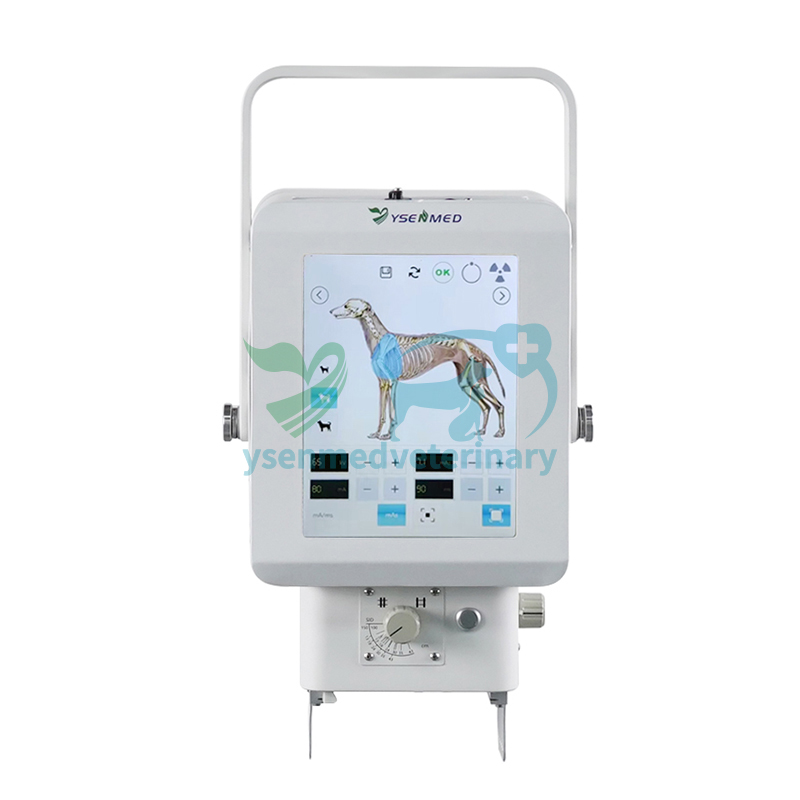
The demand for mobile and portable X-ray digital machines is increasing, particularly in emergency care and remote locations. These devices offer flexibility and convenience, ensuring that patients receive timely imaging regardless of their location.
Conclusion
The comparison between X-ray digital machines and traditional X-ray systems highlights significant advancements in technology that are transforming medical imaging. Digital machines offer numerous benefits, including instant image availability, enhanced image quality, reduced radiation exposure, and improved efficiency in patient care.
As healthcare continues to evolve, the adoption of
X-ray digital machines is likely to increase, further enhancing diagnostic capabilities and patient outcomes. While challenges remain, the long-term advantages of transitioning to digital technology present a compelling case for healthcare providers to invest in modern imaging solutions. The future of X-ray imaging is bright, driven by innovation, sustainability, and a commitment to improving patient care.