Comparing the IRAY Mars 1717V with Other Digital X-Ray Systems
Introduction
In the rapidly evolving world of medical imaging, digital X-ray systems have revolutionized diagnostic capabilities, providing faster, more accurate results with enhanced image clarity. Among the latest advancements in digital X-ray technology, the
IRAY Mars 1717V stands out as a highly efficient and versatile system. This device brings together exceptional image quality, user-friendly design, and cutting-edge technology to meet the demanding needs of modern healthcare facilities.
In this article, we will take an in-depth look at the IRAY Mars 1717V and how it compares to other digital X-ray systems in the market. By exploring its features, applications, and advantages, we can better understand why this system is gaining attention among healthcare providers. We will also review how the IRAY Mars 1717V holds up against competitors in terms of performance, technology, and cost-effectiveness.
1. Overview of Digital X-Ray Systems
a. Evolution of Digital X-Ray Technology
X-ray imaging has long been a cornerstone of diagnostic radiology. Traditional film-based X-rays dominated the medical field for decades, but the transition to digital systems brought numerous benefits. Digital X-ray systems provide faster imaging results, enhanced image manipulation, and reduced radiation exposure for patients. The ability to quickly capture and store high-resolution images has improved diagnostic accuracy and allowed for easier sharing between healthcare providers.
With innovations in detector technology and software integration, digital X-ray systems now offer higher sensitivity, reduced noise, and advanced image processing algorithms. The IRAY Mars 1717V exemplifies these advancements, utilizing flat-panel detectors (FPD) for superior image quality and ease of use.
b. Types of Digital X-Ray Systems
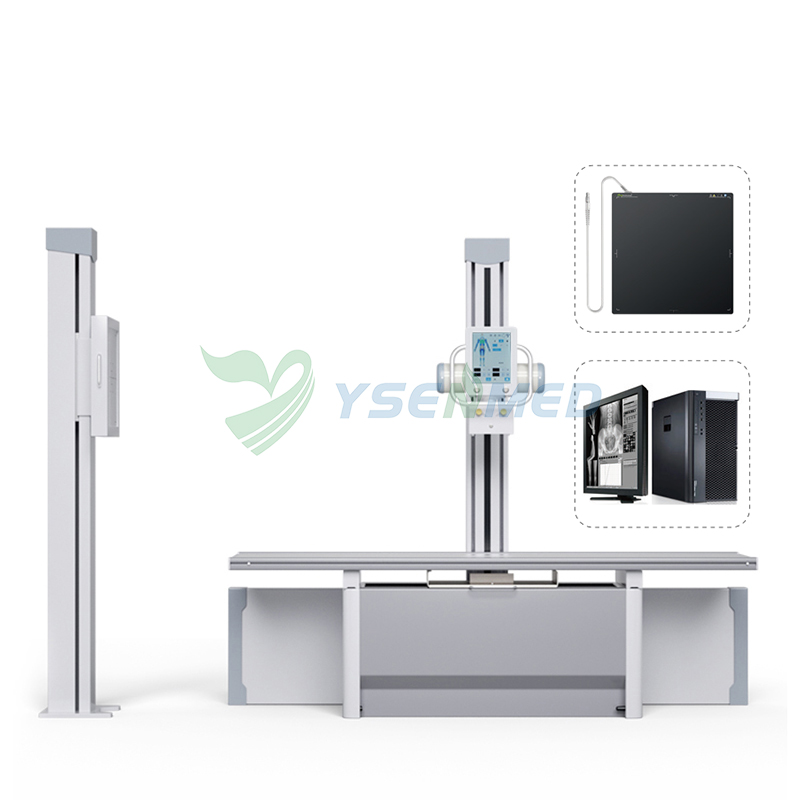
Digital X-ray systems generally fall into two categories: computed radiography (CR) and direct digital radiography (DR). CR systems use photostimulable phosphor plates to capture images, which are then processed in a scanner to create digital images. On the other hand, DR systems utilize flat-panel detectors to capture digital images instantly, eliminating the need for intermediate steps.
The IRAY Mars 1717V is a direct digital radiography (DR) system, which offers faster image acquisition and processing times compared to CR systems. DR technology provides superior image resolution, making it the preferred choice for healthcare facilities focused on high-quality diagnostic imaging.
2. Introducing the IRAY Mars 1717V
The IRAY Mars 1717V is a state-of-the-art wireless flat-panel detector designed for use in various medical imaging applications. This advanced digital X-ray system combines cutting-edge technology with user-friendly features to deliver superior image quality and streamlined workflow. It is designed to support general radiography, trauma, orthopedics, and other clinical applications that require high-quality imaging.
a. Key Features of the IRAY Mars 1717V
Wireless Design: The IRAY Mars 1717V is a fully wireless digital X-ray system, which provides maximum mobility and flexibility in clinical settings. The wireless functionality allows for easy positioning and maneuverability, making it ideal for use in emergency rooms, trauma units, and operating theaters.
Large Detector Size: The system features a large 17” x 17” flat-panel detector, which offers comprehensive coverage and allows for capturing a wide field of view in a single image. This is particularly useful in chest X-rays, full skeletal imaging, and other large anatomical structures.
High Image Quality: The IRAY Mars 1717V delivers exceptional image clarity and detail with a high spatial resolution, allowing radiologists to visualize even the smallest anatomical structures. Its advanced imaging algorithms help reduce noise and enhance contrast, making it easier to detect subtle abnormalities.
Fast Image Acquisition: One of the standout features of the IRAY Mars 1717V is its rapid image acquisition time. The system can capture and display images within seconds, reducing wait times for both patients and healthcare professionals. This is especially important in emergency settings, where quick decision-making is crucial.
Durability and Reliability: Built with durability in mind, the IRAY Mars 1717V is designed to withstand the demands of busy healthcare environments. It features a rugged construction that can endure daily use in hospitals, clinics, and imaging centers.
Seamless Integration: The system is compatible with PACS (Picture Archiving and Communication System) and other hospital information systems, ensuring that images can be easily stored, retrieved, and shared. This enhances workflow efficiency and reduces administrative burdens.
Extended Battery Life: The IRAY Mars 1717V comes with a long-lasting battery that supports extended periods of use, ensuring that the system remains operational throughout the day without frequent recharging.
b. Specifications of the IRAY Mars 1717V
Detector Type: Amorphous silicon (a-Si) with a cesium iodide (CsI) scintillator
Detector Size: 17” x 17”
Pixel Size: 140 µm
Spatial Resolution: Up to 3.6 LP/mm
Connectivity: Wireless with optional wired connection
Battery Life: Extended battery with up to 8 hours of operation
Weight: Lightweight, designed for easy transport and positioning
Compatibility: PACS, DICOM, and RIS integration
3. Applications of the IRAY Mars 1717V in Clinical Settings
a. General Radiography
The IRAY Mars 1717V is well-suited for general radiography, including routine chest X-rays, abdominal imaging, and skeletal assessments. Its large detector size and high image resolution make it ideal for capturing detailed images of large anatomical structures. The wireless design also allows for easy patient positioning and faster image capture, reducing overall exam time.
b. Trauma Imaging
In trauma settings, rapid and accurate diagnostics are essential for determining the extent of injuries and planning appropriate treatment. The IRAY Mars 1717V provides fast image acquisition and high-resolution images, allowing trauma teams to assess fractures, dislocations, and internal injuries quickly. The wireless functionality of the system ensures that it can be used at the bedside or in emergency rooms, providing immediate imaging without the need to move the patient.
c. Orthopedic Imaging
Orthopedic imaging requires precise visualization of bones, joints, and soft tissues. The IRAY Mars 1717V delivers the high-resolution images needed to evaluate fractures, joint dislocations, and degenerative conditions. Its large detector size ensures that full skeletal views can be captured in a single exposure, reducing the need for multiple scans.
d. Pediatric Imaging
For pediatric patients, minimizing radiation exposure is a priority. The IRAY Mars 1717V is designed to optimize image quality while reducing radiation doses, making it a safe and effective option for pediatric imaging. The system’s fast image capture also helps to reduce the time children spend undergoing imaging procedures, improving the overall patient experience.
e. Portable and Bedside Imaging
The portability of the IRAY Mars 1717V makes it ideal for bedside imaging in critical care units, operating rooms, and trauma centers. The wireless design allows clinicians to bring the system directly to the patient, reducing the need for patient transport and minimizing the risk of injury. Its rapid image acquisition and wireless connectivity also enable real-time diagnostic decision-making.
4. Advantages of the IRAY Mars 1717V Over Other Digital X-Ray Systems
a. Wireless Design for Enhanced Flexibility
One of the main advantages of the IRAY Mars 1717V over other digital X-ray systems is its fully wireless design. This provides greater flexibility and mobility, allowing the system to be easily transported and positioned in various clinical settings. Many traditional digital X-ray systems require wired connections, limiting their portability and making them less suitable for emergency or bedside use.
b. Large Detector Size for Comprehensive Imaging
The 17” x 17” detector size of the IRAY Mars 1717V allows for larger anatomical areas to be imaged in a single exposure. This reduces the need for multiple scans and repositioning, saving time and reducing patient discomfort. Many other digital X-ray systems have smaller detector sizes, which can be limiting when imaging large body parts such as the chest or abdomen.
c. High Spatial Resolution for Superior Image Quality
The IRAY Mars 1717V offers an impressive spatial resolution of up to 3.6 LP/mm, ensuring that even the smallest anatomical structures are visible in the images. This high resolution is critical for accurately diagnosing conditions such as fractures, tumors, and vascular abnormalities. Compared to other digital X-ray systems with lower resolutions, the IRAY Mars 1717V provides clearer and more detailed images, enhancing diagnostic accuracy.
d. Fast Image Acquisition for Improved Workflow
The IRAY Mars 1717V delivers images within seconds, significantly speeding up the diagnostic process. This fast image acquisition is particularly beneficial in high-traffic environments like emergency departments, where quick decision-making can be lifesaving. Other digital X-ray systems may have longer processing times, leading to delays in patient care.
e. Durability and Long Battery Life
The
IRAY Mars 1717V is built for durability, with a rugged design that can withstand the demands of busy clinical environments. Its long battery life allows for extended periods of use without frequent recharging, making it ideal for use in mobile and emergency settings. In contrast, some digital X-ray systems may have shorter battery life or require constant recharging, limiting their usability in fast-paced environments.