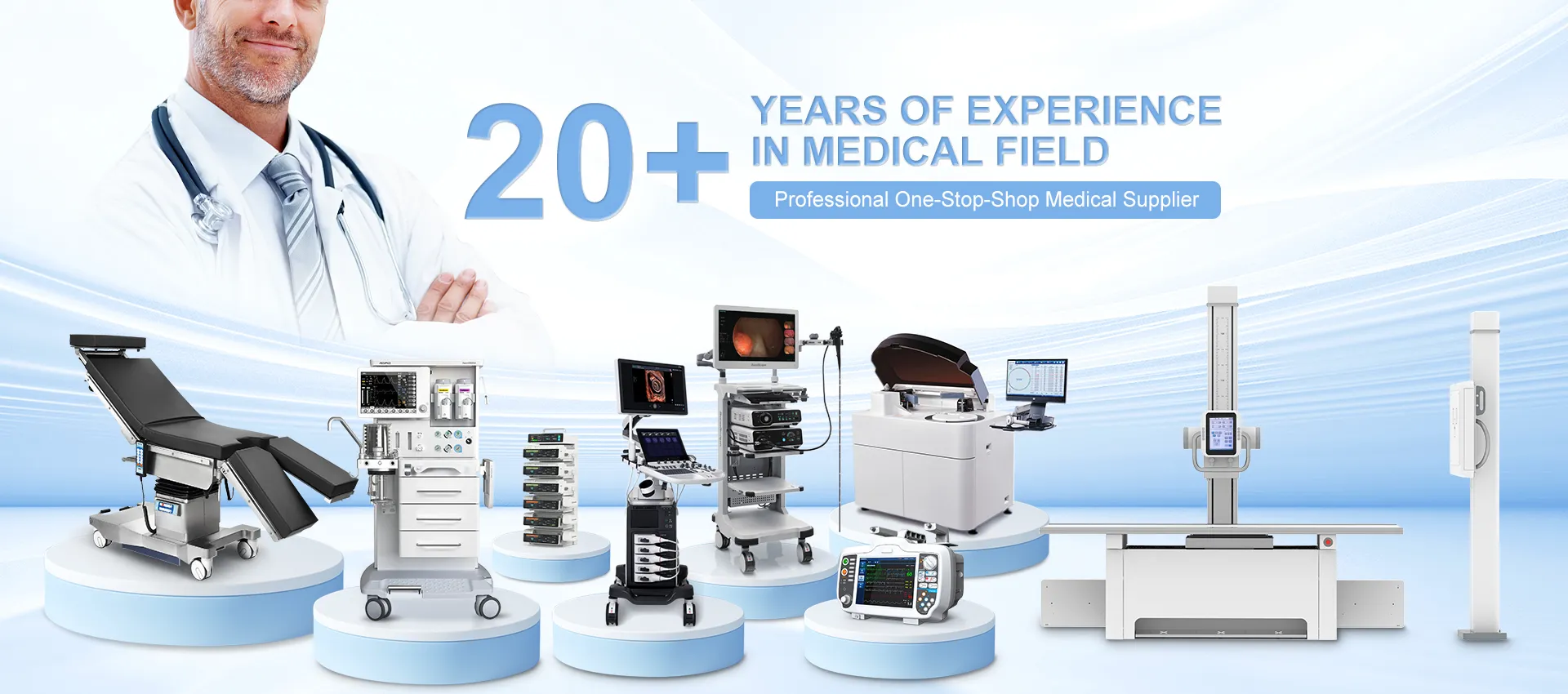
Hospitals and clinics depend on reliable healthcare equipment to deliver effective patient care, from diagnostics to treatment. As a purchasing specialist, you must understand the diverse medical equipment available, its applications, and key procurement strategies based on 2025 online literature. Ysenmed, a prominent medical device supplier, offers high-quality solutions across various categories, helping facilities navigate hospital equipment procurement efficiently. This article explores common types, their uses, and practical tips, incorporating insights from sources like WHO and FDA updates on medical device regulations. By focusing on factors to consider when purchasing medical equipment, such as compatibility and cost, providers can enhance outcomes while adhering to evolving healthcare technology standards.
The Importance of Selecting the Right Medical Equipment
In 2025, clinical equipment plays a pivotal role in improving diagnostic accuracy and surgical precision, as highlighted in recent AlphaSense reports on AI-integrated devices. For instance, hospitals increasingly adopt tools that support telemedicine and remote monitoring, reducing patient risks. However, procurement challenges arise from supply chain issues and rising costs, making a medical equipment selection guide for healthcare providers essential. Additionally, small facilities benefit from tips for buying medical equipment for small clinics, like prioritizing versatile, affordable options from trusted suppliers.
Ysenmed stands out among medical device suppliers by providing compliant products that meet FDA and EU medical device regulations, including the 2025 AI lifecycle management guidelines. Therefore, purchasers should evaluate vendor reliability, as poor choices lead to downtime and increased expenses. Moreover, understanding how to choose quality medical equipment for hospitals involves assessing necessity, reviews, and total ownership costs, ensuring investments align with facility needs.
Common Types of Medical Equipment and Their Uses
Medical equipment encompasses a wide array, from diagnostic equipment like imaging devices to therapeutic tools for ongoing care. Ysenmed's catalog at ysenmed.com features essential categories, enabling hospitals to equip themselves for modern demands. For example, these tools support everything from routine check-ups to complex surgeries, enhancing efficiency and safety. Below, we detail key types based on 2025 literature, including Verywell Health and WHO classifications, with uses and Ysenmed examples.
Operating Room Equipment
Surgical medical equipment in operating rooms ensures precision during procedures, minimizing complications. Ysenmed offers anesthesia machines like the YSAV6301, which deliver controlled sedation, and electric operation tables such as the YSOT-KJ5D for adjustable positioning. Additionally, shadowless lamps provide clear visibility, while electrosurgical generators like the YSESU-X200PK enable tissue cutting with minimal blood loss. Hospitals use these for general, orthopedic, and cardiac surgeries, as per WakeMed guidelines. Therefore, when procuring, focus on modularity to accommodate diverse specialties.
Laboratory Equipment
Laboratories rely on patient care equipment for accurate testing and analysis, supporting disease diagnosis. Ysenmed's chemistry analyzers, including the YSTE-DB100, process blood samples quickly, while hematology analyzers like the YSTE320A count cells for anemia detection. Moreover, microscopes such as the YSXWJ-BX301B aid in cellular examination, and centrifuges like the YSCF0408E separate fluids. These tools are vital for pathology and research, aligning with 2025 trends in automated diagnostics. For small clinics, portable models offer cost-effective solutions.
Medical X-ray Machine
Hospital medical equipment like X-ray machines provides non-invasive imaging for bone fractures and internal issues. Ysenmed supplies portable high-frequency units like the YSX056-PF for bedside use and digital systems such as the YSX500D for high-resolution scans. Additionally, C-arm systems like the YSX-C605 support real-time fluoroscopy during surgeries. According to OpenMedScience, these devices detect tumors and monitor implants, but operators must follow radiation safety protocols under medical device regulations.
Ultrasound Scanner
Ultrasound scanners use sound waves for real-time imaging, making them essential diagnostic equipment. Ysenmed's full digital color Doppler systems, such as the YSB-VIV20, visualize organs and blood flow, while portable models like the YSB-M5 suit obstetrics. For example, 3D/4D units like the SonoScape P12 Elite assess fetal development. Clinics employ these for cardiology and gynecology, as noted in innovative device reports, reducing the need for invasive tests. Therefore, choose models with EHR integration for seamless data sharing.
Endoscopes
Endoscopes allow minimally invasive exploration of internal body parts, revolutionizing diagnostics. Ysenmed provides video gastroscope systems like the YSVME-200 for gastrointestinal exams, detecting ulcers or cancers. Moreover, rigid and flexible options support ENT and urology procedures. Based on WHO priorities, these tools minimize recovery time and infection risks. Hospitals should prioritize sterilization compatibility when selecting, ensuring compliance with hygiene standards.
Hemodialysis Equipment & Accessories
For kidney failure patients, hemodialysis equipment filters blood externally, sustaining life. Ysenmed offers dialysis machines and accessories, including pumps and filters, though specific models vary. These systems remove toxins and balance electrolytes, as per Medicare coverage details. Additionally, accessories like catheters ensure safe access. In 2025, portable units enable home dialysis, fitting the best medical equipment for home healthcare use. Therefore, evaluate water purity systems to prevent complications during use.
Factors to Consider When Purchasing Medical Equipment
Beyond types and uses, effective hospital equipment procurement requires strategic planning. For instance, assess necessity by aligning equipment with patient volume—high-traffic hospitals need durable surgical medical equipment, while clinics favor compact patient care equipment. Additionally, review reliability through user testing and warranties, as unreliable devices disrupt operations.
Budget plays a key role, so calculate total costs including maintenance and training. Moreover, vendor support from suppliers like Ysenmed ensures quick repairs and compliance with medical device regulations. For small setups, tips for buying medical equipment for small clinics include leasing options to manage expenses. However, always verify certifications to avoid regulatory pitfalls.
In 2025, sustainability influences choices, with energy-efficient healthcare technology reducing environmental impact. Therefore, integrate AI features for predictive maintenance, enhancing longevity. By following a medical equipment selection guide for healthcare providers, facilities can optimize investments.
Medical Equipment Types and Uses Table
| Equipment Type |
Primary Use |
Key Examples from Ysenmed |
Applications in Hospitals |
| Operating Room Equipment |
Surgical precision and anesthesia delivery |
YSAV6301 Anesthesia Machine, YSOT-KJ5D Table |
General and specialized surgeries |
| Laboratory Equipment |
Sample analysis and testing |
YSTE-DB100 Chemistry Analyzer, YSTE320A Hematology Analyzer |
Diagnostics and pathology |
| Medical X-ray Machine |
Imaging for bones and internals |
YSX056-PF Portable X-ray, YSX500D Digital System |
Fracture detection, monitoring |
| Ultrasound Scanner |
Real-time organ and flow visualization |
YSB-VIV20 Color Doppler, YSB-M5 Portable |
Obstetrics, cardiology |
| Endoscopes |
Internal body examination |
YSVME-200 Video Gastroscope |
Gastrointestinal diagnostics |
| Hemodialysis Equipment |
Blood filtration for kidney patients |
Dialysis Machines & Accessories |
Chronic kidney disease treatment |
FAQ: Common Questions on Medical Equipment
How to choose quality medical equipment for hospitals?
Evaluate compatibility, certifications, and vendor support. Ysenmed's compliant hospital medical equipment meets 2025 standards, ensuring reliability for high-volume use.
What are tips for buying medical equipment for small clinics?
Prioritize affordability and versatility. For example, opt for portable clinical equipment like Ysenmed's ultrasound scanners to maximize space and budget.
Is there a medical equipment selection guide for healthcare providers?
Yes, focus on needs assessment, reviews, and costs. This guide helps integrate healthcare technology while adhering to medical device regulations.
What factors to consider when purchasing medical equipment?
Consider necessity, reliability, total costs, and supplier reputation. Additionally, ensure alignment with facility specialties for optimal performance.
What is the best medical equipment for home healthcare use?
Portable devices like hemodialysis accessories or oxygen concentrators suit home settings. Ysenmed offers user-friendly options for safe, independent care.
Conclusion
Understanding common types of medical equipment and their uses empowers purchasing specialists to make informed decisions. From operating room equipment to hemodialysis accessories, Ysenmed provides reliable solutions that enhance patient outcomes. By incorporating factors to consider when purchasing medical equipment and staying updated on healthcare technology, hospitals and clinics can thrive in 2025. Explore Ysenmed's offerings at ysenmed.com to equip your facility with top-tier healthcare equipment.