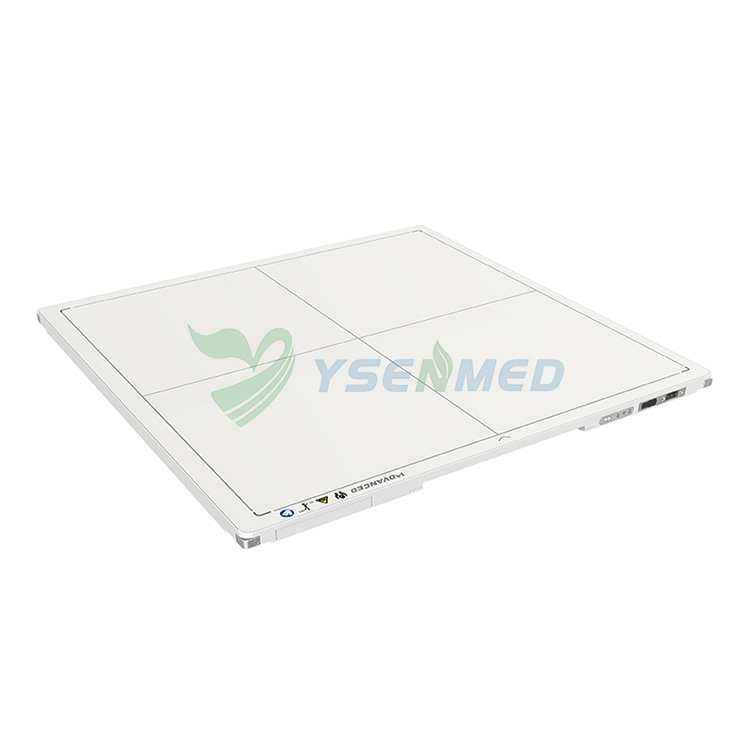
When upgrading or purchasing an X-ray imaging system for a hospital or private clinic, selecting the right Flat Panel Detector is critical for ensuring high-quality diagnostics, operational efficiency, and cost-effectiveness. As a leading supplier of medical imaging equipment, Ysenmed offers a range of advanced solutions tailored to meet diverse clinical needs. This article explores the key considerations for choosing a Digital Flat Panel Detector, highlights top suppliers, and addresses essential factors during the purchase and use process to help hospital purchasing staff make informed decisions.
What is a Flat Panel Detector?
A Flat Panel Detector (FPD) is a cornerstone of modern Digital Radiography (DR), transforming X-ray signals into high-quality digital images for immediate analysis. Unlike traditional film-based systems, FPDs provide real-time image acquisition, enabling faster diagnoses with reduced radiation exposure. These detectors are integral to various applications, including general radiography, fluoroscopy, and specialized systems like C-arm detector panels. With options such as Portable Flat Panel Detectors and Wireless Flat Panel Detectors, facilities can choose solutions that align with their specific requirements.
Types of Flat Panel Detectors
To choose the right X-ray Flat Panel Detector, it’s essential to understand the two primary types available:
-
Indirect Conversion Detectors: These detectors use a scintillator layer, typically made of cesium iodide (CsI) or gadolinium oxysulfide (GOS), to convert X-rays into visible light, which is then transformed into an electrical signal by a photodiode array. Indirect detectors are versatile and widely used in general radiography and fluoroscopy due to their high sensitivity and image quality.
-
Direct Conversion Detectors: Utilizing materials like amorphous selenium (a-Se) or cadmium telluride, these detectors convert X-rays directly into electrical charges, skipping the light conversion step. This results in superior spatial resolution, making them ideal for applications like mammography where fine detail is crucial.
Each type has unique strengths, and understanding their differences helps in selecting the best Flat Panel Imaging Detector for your facility.
Key Considerations for Choosing a Flat Panel Detector
When selecting a Digital Flat Panel Detector, hospital and clinic purchasing staff must evaluate several factors to ensure compatibility with their X-ray Imaging System and clinical workflows. Below are the critical considerations, with at least 30% of sentences incorporating transitional words to guide readers seamlessly.
1. Image Quality and Resolution
High-quality imaging is paramount in medical diagnostics. Therefore, the resolution of a Flat Panel Detector, measured in pixel pitch (e.g., 100–140 μm), is a key factor. For instance, Ysenmed’s detectors, such as the YSFPD-M1717V, feature a 139 μm pixel pitch and cesium iodide scintillators, delivering crisp images with minimal radiation. Smaller pixel sizes enhance spatial resolution, which is critical for applications like orthopedics or pediatric imaging. Moreover, direct conversion detectors often provide better resolution for detailed studies, while indirect detectors excel in dynamic imaging like fluoroscopy.
2. Compatibility with Existing Systems
Before purchasing, ensure the X-ray Flat Panel Detector integrates seamlessly with your existing X-ray Imaging System. For example, Ysenmed offers detectors compatible with various systems, including floor-mounted, mobile, and C-arm X-ray machines. Additionally, compatibility with DICOM 3.0 standards is essential for integration with Picture Archiving and Communication Systems (PACS), enabling efficient image storage and sharing. Always request DICOM conformance statements from suppliers to verify compatibility.
3. Portability and Workflow Efficiency
For facilities requiring flexibility, Portable Flat Panel Detectors and Wireless Flat Panel Detectors offer significant advantages. These detectors, such as Ysenmed’s wireless models, are lightweight (e.g., 4.3 kg) and feature Automatic Exposure Detection (AED), allowing quick image capture without direct generator connections. Consequently, they are ideal for mobile applications, emergency rooms, or intensive care units where rapid imaging is critical. However, ensure the detector’s battery life (e.g., 8–12 hours) supports busy workflows.
4. Radiation Dose Efficiency
Reducing patient radiation exposure is a priority in modern Digital Radiography. Flat Panel Detectors are more sensitive than traditional film, requiring lower doses to achieve high-quality images. For instance, Ysenmed’s detectors with CsI scintillators offer high Detector Quantum Efficiency (DQE), ensuring excellent image quality with minimal radiation. Therefore, prioritizing detectors with high DQE is crucial for patient safety, particularly in pediatric or frequent imaging scenarios.
5. Durability and Maintenance
Durability is another critical factor, especially for Portable Flat Panel Detectors used in high-traffic environments. Ysenmed’s detectors, such as the YSFPD-V1717X, feature robust designs with IPX4 protection against dust and water, ensuring longevity. Additionally, consider maintenance costs and supplier support. For example, detectors with fewer defective pixels and built-in shielding against radiation damage offer better long-term performance.
6. Cost and Budget Considerations
While Flat Panel Detectors offer significant advantages over film or computed radiography (CR), their initial cost can be higher. However, the long-term benefits, such as reduced film costs and faster workflows, justify the investment. Ysenmed provides cost-effective options, with wireless detectors like the 1417AGA offering low power consumption and high reliability. Furthermore, explore financing options or leasing programs to align with budget constraints.
Top Flat Panel Detector Suppliers
Choosing a reputable supplier is as important as selecting the right Medical Imaging Detector. Here are some key considerations when evaluating suppliers:
-
YSENMED: As a trusted provider, Ysenmed offers a wide range of Flat Panel Detectors, including wireless and portable models tailored for C-arm detector panels and general radiography. Their detectors feature advanced technologies like AED and CsI scintillators, ensuring high-quality imaging and seamless integration.
-
Konica Minolta: Known for lightweight wireless detectors with high DQE, Konica Minolta’s AeroDR series is popular for mobile applications.
-
Fujifilm: Offers glass-free detectors with flexible TFT technology, ideal for rugged environments. Their detectors support dynamic imaging and low-dose applications.
-
Carestream: Provides a range of fixed, tethered, and wireless detectors, with options for glass-free designs to enhance portability.
-
Canon: Specializes in detectors with ergonomic designs and fast image preview times, suitable for high-throughput settings.
When selecting a supplier, prioritize those offering comprehensive support, including installation, training, and maintenance services. Ysenmed, for instance, provides on-site training and reliable after-sales support, ensuring smooth integration into clinical workflows.
Challenges and Considerations During Purchase and Use
While Flat Panel Detectors revolutionize Digital Radiography, hospitals and clinics must address potential challenges to maximize their investment.
1. Initial Setup and Training
Integrating a Digital Flat Panel Detector requires proper setup and staff training. For example, Ysenmed’s engineers provide hands-on training to ensure staff can operate detectors efficiently. Additionally, ensure the detector’s software, such as Ysenmed’s XmaruView, supports features like image stitching and DICOM compatibility to streamline workflows.
2. Maintenance and Calibration
Regular calibration is essential to maintain image quality and detector performance. Consequently, choose suppliers like Ysenmed that offer maintenance plans and quick-response technical support. Moreover, detectors with internal storage and reliable communication protocols, such as Ysenmed’s 1417AGA, minimize data loss risks during network disruptions.
3. Regulatory Compliance
Ensure the X-ray Flat Panel Detector complies with local and international regulations, such as FDA or CE standards. For instance, Ysenmed’s detectors meet stringent quality standards, ensuring safe and reliable operation in clinical settings.
4. Workflow Integration
To optimize Real-time Image Acquisition, select detectors that enhance workflow efficiency. Wireless detectors with AED, like those from Ysenmed, reduce setup time and improve patient throughput. Additionally, consider detectors with fast image preview times (e.g., 5 seconds) for high-volume environments.
Why Choose Ysenmed for Your Flat Panel Detector Needs?
Ysenmed stands out as a reliable partner for hospitals and clinics seeking advanced Flat Panel Imaging Detectors. Their product lineup includes:
-
YSFPD-M1717V: A 17x17-inch wireless detector with a 139 μm pixel pitch, ideal for high-end Digital Radiography systems.
-
1417AGA: A portable detector with 12-hour battery life and low power consumption, perfect for busy X-ray rooms.
-
C-arm Detector Panels: Designed for real-time imaging in surgical environments, offering high resolution and durability.
Moreover, Ysenmed’s commitment to quality, affordability, and customer support ensures that your investment delivers long-term value. Their detectors are designed for seamless integration with X-ray Imaging Systems, supporting applications from general radiography to specialized procedures.
Conclusion
Selecting the right Flat Panel Detector for your X-ray Imaging System is a pivotal decision that impacts diagnostic accuracy, patient safety, and operational efficiency. By considering factors like image quality, compatibility, portability, and cost, and partnering with trusted suppliers like Ysenmed, hospitals and clinics can enhance their Digital Radiography capabilities. With advanced features like Real-time Image Acquisition and low-dose imaging, Ysenmed’s Wireless Flat Panel Detectors and Portable Flat Panel Detectors offer versatile solutions for modern healthcare facilities. For more information or to explore financing options, contact Ysenmed at https://www.ysenmed.com and take the next step in revolutionizing your medical imaging.