Advancements in Infusion Pump Technology: What You Need to Know
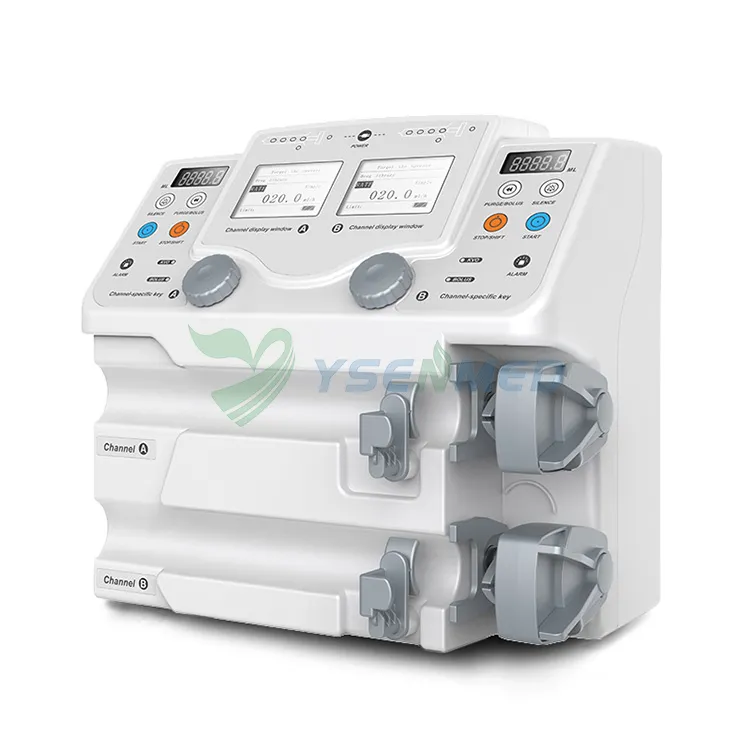
Introduction: Infusion pumps are medical devices that are used to deliver fluids, such as medication, nutrients, and blood, into a patient's body in a controlled manner. Over the years, infusion pump technology has advanced significantly, leading to the development of more sophisticated and efficient devices. In this article, we will discuss the latest advancements in infusion pump technology and what you need to know about them.
-
Smart Infusion Pumps: Smart infusion pumps are the latest innovation in infusion pump technology. These pumps are designed to minimize medication errors and improve patient safety. They use advanced software algorithms to calculate the correct dosage of medication based on the patient's weight, age, and medical history. They also have built-in safety features that alert healthcare providers if there is a problem with the infusion, such as an occlusion or air bubble in the line.
-
Wireless Connectivity: Another major advancement in infusion pump technology is the integration of wireless connectivity. With wireless connectivity, infusion pumps can be remotely monitored and controlled, allowing healthcare providers to make adjustments to the infusion rate or dosage without having to physically be in the patient's room. This technology also allows for real-time monitoring of the patient's vital signs, such as heart rate and blood pressure, which can help healthcare providers make more informed decisions about the patient's care.
-
Interoperability: Interoperability is the ability of different systems to communicate and exchange data with each other. In the context of infusion pump technology, interoperability means that different infusion pumps can communicate with each other and with other medical devices, such as electronic health records (EHRs). This allows healthcare providers to have a more complete picture of the patient's medical history and current condition, which can help them make more informed decisions about the patient's care.
-
Improved User Interfaces: Infusion pumps have traditionally been known for their complex and difficult-to-use interfaces. However, recent advancements in user interface design have led to the development of infusion pumps with more intuitive and user-friendly interfaces. These interfaces are designed to be easy to navigate and understand, reducing the risk of medication errors and improving patient safety.
-
Portability: Another major advancement in infusion pump technology is the development of more portable devices. Portable infusion pumps allow patients to receive their medication while on the go, without being tethered to a hospital bed. This can greatly improve the quality of life for patients with chronic conditions, such as cancer or diabetes, who require frequent infusions.
Conclusion: In conclusion, infusion pump technology has come a long way in recent years, with advancements in smart infusion pumps, wireless connectivity, interoperability, improved user interfaces, and portability. These advancements have greatly improved patient safety and quality of care, and have made it easier for healthcare providers to monitor and adjust patient care in real-time. If you are a healthcare provider or a patient who relies on infusion pumps, it is important to stay up-to-date on the latest advancements in infusion pump technology to ensure that you are getting the best possible care.
-
Integration with Electronic Health Records: Electronic health records (EHRs) are digital versions of a patient's medical records. They contain information about the patient's medical history, diagnoses, medications, and more. Integration with EHRs is another major advancement in infusion pump technology. By integrating with EHRs, infusion pumps can access the patient's medical history and use that information to calculate the correct dosage of medication. This can help reduce medication errors and improve patient safety.
-
Improved Battery Life: Infusion pumps are often used in critical care settings, where patients require continuous infusion of medication. As a result, battery life is a critical factor in infusion pump design. Recent advancements in battery technology have led to the development of infusion pumps with longer battery life, reducing the need for frequent battery changes and improving patient safety.
-
Improved Alarm Systems: Alarm systems are critical components of infusion pumps. They alert healthcare providers if there is a problem with the infusion, such as an occlusion or air bubble in the line. However, traditional alarm systems can be difficult to hear in a noisy hospital environment. Recent advancements in alarm system design have led to the development of infusion pumps with louder and more distinct alarms, improving patient safety and reducing the risk of medication errors.
-
Customizable Infusion Protocols: Infusion pumps are typically programmed with pre-set infusion protocols. However, every patient is unique, and their medication needs may vary. Recent advancements in infusion pump technology have led to the development of pumps with customizable infusion protocols. Healthcare providers can now create customized infusion protocols based on the patient's medical history and current condition, improving patient safety and reducing the risk of medication errors.
-
Improved Data Analytics: Data analytics is the process of analyzing large amounts of data to identify patterns and trends. In the context of infusion pump technology, data analytics can be used to monitor infusion rates and detect potential problems before they become serious. Recent advancements in data analytics have led to the development of infusion pumps with more sophisticated data analysis capabilities, improving patient safety and reducing the risk of medication errors.
Conclusion: In summary, infusion pump technology has advanced significantly in recent years, with improvements in smart infusion pumps, wireless connectivity, interoperability, user interfaces, portability, integration with EHRs, battery life, alarm systems, customizable infusion protocols, and data analytics. These advancements have greatly improved patient safety and quality of care, and have made it easier for healthcare providers to monitor and adjust patient care in real-time. It is important for healthcare providers and patients to stay up-to-date on the latest advancements in infusion pump technology to ensure that they are getting the best possible care.